Best Automatic Cat Feeders With Microchip for Two Cats
Answering the needs of multi-cat homes, these automatic feeders use microchips or RFID tags to control which cat can access which meal. They’re ideal for preventing food stealing, managing weight, and accommodating different diets. The top picks below are best for households with two cats who require separate, traceable meals, including those with prescription diets or weight management plans. Each option highlights who it’s best for, why it was selected, and a practical caveat to consider.
| Product | Best For | Key Benefit | Limitations |
|---|---|---|---|
| PETLIBRO Automatic Cat Feeders for 2 Cats (Pack of 2) | Two cats with distinct diets | RFID collars ensure exclusive meals & unified app tracking | Requires included RFID tags |
| PETLIBRO RFID Cat Feeders for 2 Cats (Pack of 2) | Two cats with dietary separation | Real-time diet tracking & anti-stealing | Depends on collar tags |
| Sure Petcare SureFlap MPF001 | Prescribed diets or weight management | Microchip-based selective access for wet/dry food | Microchip compatibility varies by chip |
| ePawDen Microchip Cat Feeder | Prescription diets and weight control | Works with microchip or RFID tag for selective feeding | Enclosed design may require chip compatibility |
| PawsPik Automatic Microchip RFID Cat Feeder | Two-cat households needing strict access control | ISO microchips plus included tag for flexibility | One feeder per pet for multi-pet use |
PETLIBRO Automatic Cat Feeders for 2 Cats

Best for households that want synchronized, but independent meal access for two cats. The dual-cat exclusive feeding system uses RFID collar tags to recognize each cat, preventing food stealing. It supports real-time diet tracking via the Petlibro app, with logs showing who ate what and when. This setup is ideal for cats with dietary restrictions, weight management, or medication schedules. A potential limitation is that it requires the included RFID collar tag to function, so ensure both cats wear their tags consistently.
PETLIBRO RFID Cat Feeders for 2 Cats
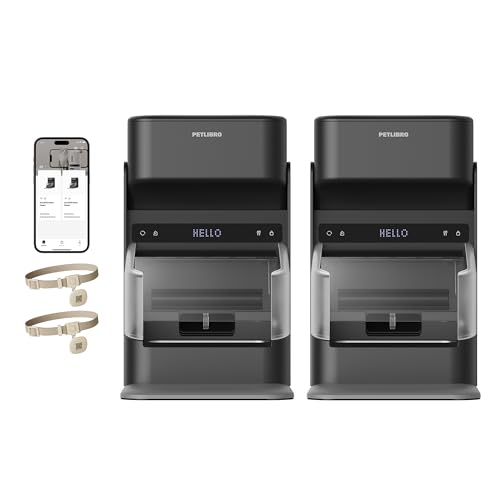
This pair is designed for two cats with distinct dietary needs, offering an RFID-driven locking lid and bowl shield to prevent cross-feeding and food guarding. Real-time diet tracking is available in the Petlibro app, helping caregivers monitor intake and maintain diet plans. Best for families managing multiple diets or medications. A caveat: it depends on the included RFID collar tag for cat recognition, so tag maintenance is essential.
Sure Petcare SureFlap Microchip Pet Feeder MPF001
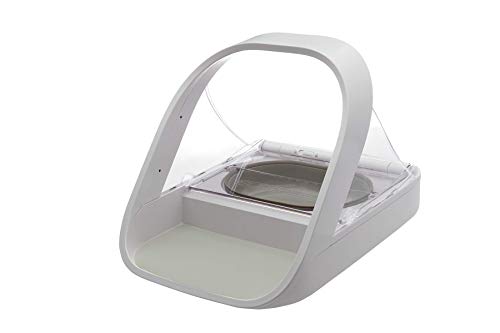
Best for prescription-diet situations where controlled access is critical. The SureFlap MPF001 uses compatible microchips to permit automatic opening for the designated pet and closed access for others, supporting both wet and dry foods. It’s a strong choice for households needing reliable access control tied to microchips. A limitation to consider is chip compatibility; confirm your cat’s chip number and compatibility before purchasing.
ePawDen Microchip Cat Feeder
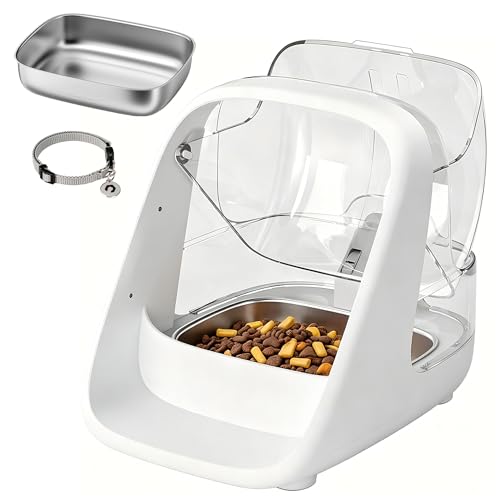
Designed for multi-cat homes needing strict control, this feeder opens only for a registered microchip or RFID tag, helping prevent food stealing and ensuring prescription diets are followed. The option to use an implanted microchip or the included RFID tag adds flexibility. It’s well-suited for weight management, allergy concerns, or medication-specific feeding. A potential drawback is ensuring your chip is compatible and properly registered with the feeder.
PawsPik Automatic Microchip RFID Cat Feeder
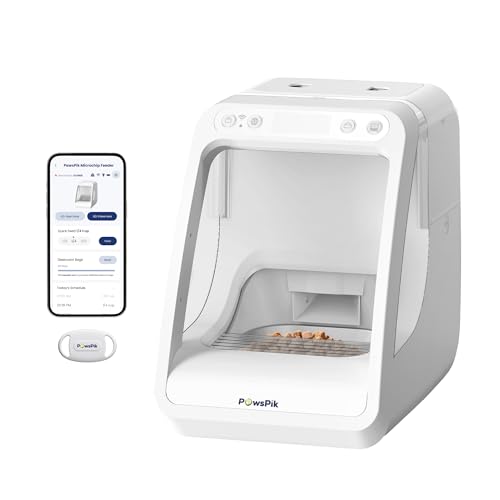
Best for households that want flexible compatibility with ISO microchips and PawsPik tags. Each feeder is designed to work with a single pet, ensuring precise access control. It supports ISO 15-digit microchips and includes a PawsPik tag for non-chip-equipped pets. Use this option when you want to pair one feeder per cat for reliable, individualized feeding. Limited usage with multi-pet households may require multiple units to cover all pets living in the home.
Buying Guide
- Access control method: Decide between microchip-only, RFID tag, or a combination. Microchips provide collar-free options, while RFID tags offer quick, user-friendly security for cats who won’t wear chips. If your cats already have chips, ensure compatibility with the feeder’s reader.
- Two-cat vs. multi-pet scalability: For precisely two-cat homes, dual feeders can be synchronized or operate independently. If you plan to expand to more pets, choose a model that supports additional tags, lines, or multiple feeders in the same app ecosystem.
- Dietary needs and logs: Real-time diet tracking helps monitor intake, especially with weight management or prescribed diets. Consider whether you need per-cat feeding logs, portion control, or reminders for meal times.
- Food type compatibility: Some models support dry and wet food; others are optimized for dry kibble. Check bowl design and size to ensure it accommodates your cats’ typical meals.
- Power and connectivity: Look for reliable power options (battery backup, if available) and robust app connectivity. Dual cameras and two-way audio add convenience but require stable Wi-Fi and at least a reasonable signal.
- Maintenance and cleaning: Enclosed designs reduce access for stray food, but some parts may be harder to clean. Consider detachable bowls and dishwasher-safe components for busy households.
Frequently Asked Questions
- Do these feeders work with multiple cats who don’t wear tags? Most devices rely on an assigned tag or microchip. If a cat won’t wear a tag or chip, management may require alternative arrangements or one feeder per cat with manual control.
- Can these feeders handle prescription diets? Yes, many models support selective feeding and help prevent cross-feeding, which is beneficial for prescription diets. Always verify compatibility with your veterinarian and the specific diet requirements.
- Will the feeder stop a determined cat from licking other bowls? Microchip/RFID-based lids reduce cross-feeding by opening only for approved pets, but no system is 100% foolproof in every environment. Regular supervision is still advised.
- Is smartphone control essential for operation? Not strictly essential, but it enhances monitoring and scheduling. Some models can be programmed on the device and sync data to an app for convenience.
- What maintenance is required? Regular cleaning of bowls, lids, and hinges helps prevent spoilage. Check batteries or power adapters periodically and replace as needed to avoid feeding disruptions.
- How many cats can be supported? Many options target two cats, with some scalable to more by adding compatible units or tags. Verify product specifications for maximum supported pets and required tags.
In multi-cat homes, choosing an automatic feeder with reliable microchip or RFID access helps maintain individualized diets, reduces food-related conflicts, and supports weight management plans. The products listed above are among the most relevant options for two-cat households seeking secure, automated feeding with precise access control.