Best Bird Seed for Cardinals and Blue Jays: Premium Picks for Backyard Feeders
Cardinals and blue jays are among the most striking and alert visitors to American backyards. Choosing the right seed can help attract these bold birds year-round while supporting their nutrition and energy needs. This guide highlights five top seed blends designed to appeal to cardinals and blue jays, based on seed composition, feeding versatility, and overall bird appeal. Each option is well-suited for common backyard feeders and can help create a reliable bird-feeding experience.
| Product | Brand | Weight | Notable Benefit |
|---|---|---|---|
| Lyric Cardinal Wild Bird Seed – 3.75 lb | Lyric | 3.75 lb | Year-round mix with sunflower and safflower; attracts cardinals and blue jays |
| Armstrong Jays Blend – 4 lb | Armstrong Bird Food | 4 lb | Blue Jay–friendly blend with whole corn, striped and black oil sunflowers, peanuts |
| Kaytee Striped Sunflower Seeds – 5 lb | Kaytee | 5 lb | High-energy, striped sunflowers; cleaned to reduce debris |
| Lyric Cardinal Seed Mix – 18 lb | Lyric | 18 lb | Large seeds preferred by cardinals and big-billed birds; over 70% sunflowers |
| Kaytee Wild Bird Birder’s Blend – 10 lb | Kaytee | 10 lb | Specially blended for grosbeaks, cardinals, nuthatches, and woodpeckers |
Lyric Cardinal Wild Bird Seed – 3.75 Lb Bag
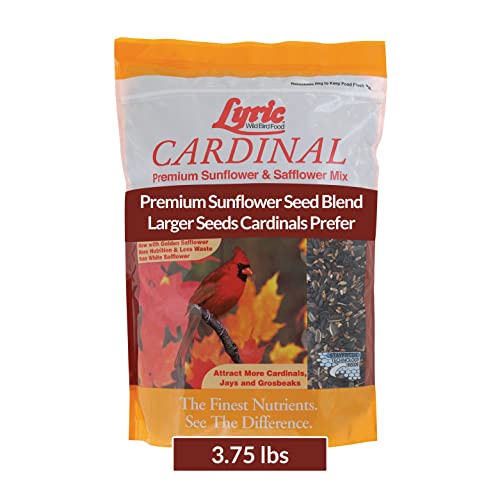
The Lyric Cardinal Wild Bird Seed Mix targets versatility and year-round feeding. Its composition emphasizes nutrient-dense black oil sunflower seeds and safflower seeds, supporting energy needs during winter and sparking activity during spring. With over half of the seeds being sunflower-based, it yields high-fat content that cardinals and blue jays appreciate during periods of high activity or migration. The blend is designed to attract cardinals, grosbeaks, blue jays, chickadees, and other common backyard visitors, making it a broad, dependable option for mixed feeders.
In practice, this seed mix lends itself to standard bird feeders and tray feeders alike. It requires minimal cleanup, and the safflower seeds tend to be less palatable to some non-target species, helping keep the focus on desirable birds. Regular refilling keeps the bird activity consistent, especially in neighborhoods with year-round birding interest. Cardinals often arrive for the seed hierarchy, while blue jays appreciate the larger seed sizes and higher fat content.
Armstrong Jays Blend, 4 Pounds

Armstrong’s Royal Jubilee Jays Blend is purpose-built for Blue Jays and other larger backyard birds. The blend combines whole corn, striped sunflower, black oil sunflower, and peanuts to deliver a robust energy profile and a satisfying mix of textures. The inclusion of whole corn and peanuts makes it particularly appealing to Blue Jays, which tend to seek sizable, high-fat morsels. The blend is designed for outside feeders and can be used in tube, hopper, or platform feeders, providing flexible placement options for varied yard setups.
This mix emphasizes quality ingredients and a focused audience. It provides a dense energy source that can help sustain Jays through cooler days, migratory periods, or times when natural food is scarce. The combination of sunflowers and peanuts also attracts other seed-loving species, though the emphasis remains on Blue Jays and other larger birds. For households looking to maximize Blue Jay visits, this blend offers a practical, easy-to-manage option.
Kaytee Striped Sunflower Seeds – 5 Lb
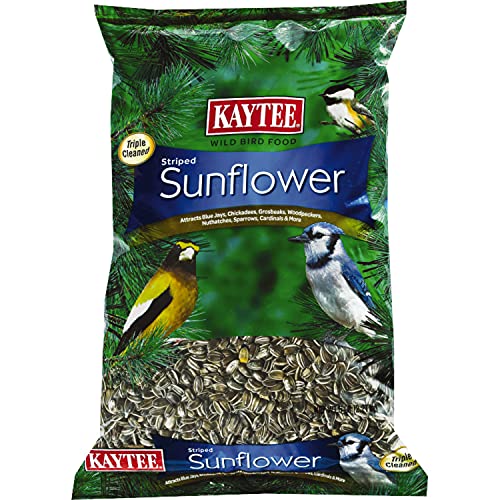
Kaytee Striped Sunflower Seeds are a classic favorite for blue jays and other larger backyard birds. The high oil content provides a rich energy source, supporting sustained feeding activity and fat reserves, especially during colder months. These seeds are specifically noted for appealing to larger birds like blue jays, woodpeckers, grosbeaks, and cardinals, making them a versatile staple for attractive feeders. The seeds are cleaned to minimize debris, reducing waste and keeping feeding areas tidier while maximizing seed intake by target species.
In addition to attracting blue jays, this seed mix suits a broad bird population, including grosbeaks and cardinals. For households with multiple bird species visiting the same feeder, these striped sunflowers can serve as a reliable focal point. Pairing the seed with an appropriate feeder (tube, hopper, or platform) can enhance customer satisfaction and bird diversity in the yard.
Lyric Cardinal Wild Bird Seed – 18 Lb Bag

This larger bulk option from Lyric emphasizes seeds preferred by cardinals and other bigger billed birds. The mix contains over 70% sunflower seeds, including black oil and striped varieties, along with safflower and buckwheat. The high proportion of sunflower seeds provides a sustained energy source that cardinals and blue jays actively seek for daily foraging and daily energy needs. The 18-pound bag offers extended value for households with frequent feeding or multiple feeders across the property.
Cardinals typically respond well to larger seed profiles, and this blend’s seed variety—particularly the robust sunflower content—helps ensure continued engagement. The mix’s robust energy profile can support winter foraging and summer nesting alike. For feeders in larger yards or with high bird traffic, this bulk option is a practical way to maintain consistent bird visits without frequent restocking.
Kaytee Wild Bird Birder’s Blend – 10 Lb

Kaytee’s Birder’s Blend is designed for a variety of species, including grosbeaks, cardinals, nuthatches, woodpeckers, and other wild birds. This blend combines safflower, peanuts, striped sunflower, and millet to deliver a well-rounded energy mix with varied textures. The targeted list of species suggests a broader appeal to bigger birds, especially cardinals and grosbeaks, while still accommodating other garden visitors. A 10-pound bag provides long-term feeding potential for households with multiple birds or several feeders, helping maintain regular visits across seasons.
Nutritious, high-fat components like peanuts and safflower support sustained activity, especially in cooler weather. The mix’s composition also aims to reduce waste, thanks to high-quality seeds that birds readily recognize and consume. For feeders that attract a mixed crowd, this blend offers a reliable, multi-species appeal without needing to adjust seed types frequently.
Buying Guide
Choosing the right seed for cardinals and blue jays involves balancing seed type, energy content, and feeder logistics. Consider the following perspectives to optimize bird visits and feeding satisfaction.
- Seed composition and bird preferences: Cardinals typically favor larger seeds like sunflower kernels and safflower, while blue jays respond well to a mix of sunflower and peanut-based seeds. Look for blends with high sunflower content, plus safflower or peanuts for variety.
- Energy density and fat content: Higher-fat seeds (black oil sunflower, peanut pieces) deliver more energy, which is especially important in winter. Blends emphasizing these seeds tend to attract cardinals and blue jays more consistently during cold months.
- Seed cleanliness and waste: Seed that’s cleaned to reduce hulls and debris minimizes messy feeders and ground waste. This is particularly helpful for yard cleanup and for households with pets or children.
- Feeder compatibility: Tube, hopper, and platform feeders each have different seed‑handling dynamics. Larger seeds and whole peanuts are better suited to hoppers and platforms. Consider the feeder type you prefer when selecting a blend.
- Geographic and seasonal context: In regions with harsh winters or limited natural foods, year-round blends that combine sunflower and safflower can sustain cardinal and blue jay activity. Bulk seeds are convenient for high-traffic yards, but smaller bags are easier to manage for casual feeders.
- Cost and storage: Larger bags offer better value for households with frequent feeders, but require more storage space. Ensure you have a cool, dry place to maintain seed freshness and prevent mold or pests.
- Bird diversity vs. targeting specific species: If the goal is to attract multiple species, choose blends labeled as multi-species or those that include a variety of seeds. If prioritizing cardinals and blue jays, prioritize sunflower-heavy blends with safflower and peanuts.
- Seasonal rotation: Some bird lovers rotate seed types to manage feeder interest and avoid over-dependence on a single seed type. Rotating between sunflower-heavy blends and peanut-based mixes can keep birds engaged year-round.
In summary, blends that emphasize sunflower seeds (especially black oil) and safflower, with added peanuts or corn, tend to attract cardinals and blue jays effectively. For households with multiple birds, consider a mix that reduces waste and works well in your existing feeder setup. Always verify product freshness and storage conditions to ensure seeds remain enticing and safe for visiting birds.