Carpet aquarium plants create a lush green foreground that makes tanks look larger and more natural. A dense carpet smooths over substrate imperfections and provides shelter for shy fish and fry. The right carpet plants also respond well to routine lighting and nutrient schedules, evolving from a thin green sheet to a vibrant lawn over weeks. This guide highlights top carpet options available on Amazon and explains what to consider when selecting species for your setup. Whether you maintain a low-tech tank or a high-tech planted aquarium, these selections offer dependable growth and color.
| Product | Brand | Key Feature |
|---|---|---|
| Seed Plant Pack For All Substrates | ZUQOVI | Four seed varieties; easy to grow across substrates |
| Dwarf Sagittaria Live Carpet Plants | Marcus Fish Tanks | 15 live plants; grows to form a carpet (2–3 inches typical) |
| Micranthemum Monte Carlo Carpet Pots | Marcus Fish Tanks | Three potted Monte Carlo plants; compact and quick to carpet |
| Dwarf Baby Tears HC Cuba Tissue Culture | Ultum Nature Systems | Tiny foreground plant; versatile submerged or emersed growth |
| Dwarf Hairgrass Eleocharis Parvula | Generic | Vitro-grown; classic foreground carpet with a soft look |
Seed Plant Pack For All Substrates

This ZUQOVI seed set contains four bags of different varieties: Tiny-leaf, Long Hair Grass, Short Hair Grass, and Big Dual Leaf. The mix is designed for easy growth on a range of substrate types, making it suitable for both beginner and seasoned aquarists. Each variety is described as easy to grow, with options for low- and high-light setups. The seeds have a long history of use in planted aquariums, and an instruction paper is included to aid successful establishment in your tank. Growth will depend on lighting and feeding schedules, but the combination aims to establish a vivid, dynamic foreground over time.
Key growth considerations include ensuring adequate light and stable water parameters. The Big Dual Leaf and Tiny-leaf varieties often respond quickly, forming a visual carpet once roots take hold. Regular maintenance, including trimming to keep the carpet dense and preventing leggy growth, helps maintain a natural look. This pack is especially useful for hobbyists who want to experiment with different carpet textures in a single order.
Dwarf Sagittaria Live Carpet Plants

These are 15 live Dwarf Sagittaria Subulata plants, typically growing to about 2–3 inches tall. Known for forming a natural carpet, Sagittaria is a popular choice for beginners and experienced hobbyists seeking a lush foreground. Live plants require appropriate lighting and nutrients to reach their full carpet potential. Please note that extreme weather can affect live plant health during shipping; in winter, avoid orders when temperatures are expected to fall below about 20F at the daily low. Proper acclimation helps ensure successful establishment in the tank.
Sagittaria Subulata spreads via runners, producing a continuous green lawn across the substrate when conditions are favorable. By placing plants in a staggered pattern along the foreground, aquarists can achieve a dense carpet quickly. The species also offers a natural look that complements rockwork and driftwood. Regular trimming keeps edges neat and helps maintain an even carpet height as plants mature.
Micranthemum Monte Carlo Carpet Pots

Three Micranthemum Monte Carlo live plant pots provide a compact, fast-spreading carpeting option. Each pot is small and handy for precise placement, typically around 2 inches in size. Monte Carlo is a favorite for creating a bright, low-growing carpet that contrasts nicely with taller foreground species. Be mindful of seasonal temperature shifts; extreme cold can affect plant health, and winter conditions may warrant delaying shipment or adjusting tank conditions to support healthy growth after acclimation.
Monte Carlo carpeting responds well to moderate lighting and a nutrient-rich substrate. The plants propagate quickly, forming a lush, uniform green lawn within weeks with proper pruning and maintenance. Their compact form makes them ideal for tanks with limited footprint while still delivering a vivid carpet effect that enhances scaping in Iwagumi or Dutch-inspired layouts.
Dwarf Baby Tears HC Cuba Tissue Culture

Dwarf Baby Tears Hemianthus Callitrichoides Cuba, cultured in vitro, offers a standout foreground option. This compact plant is celebrated for creating dense, vibrant lawns that glow under bright light. HC Cuba can be grown submerged in aquariums or emersed in dry-start setups and Wabi Kusa projects, making it versatile for aquascapers. It requires medium to high lighting, steady nutrient availability, and carbon dioxide supplementation for optimal growth. Because each plant has a tiny root system, initial planting can be challenging, demanding precise placement and patience.
HC Cuba excels in Iwagumi and other minimalist layouts where a halo of small green leaves adds texture and depth. Tissue culture stock is typically free from snails and pests, but proper quarantine and acclimation remain important to prevent any introduced contaminants from affecting tank balance. With consistent care, HC Cuba can form a lush, micro-forested foreground that stands out in photos and videos.
Dwarf Hairgrass Eleocharis Parvula
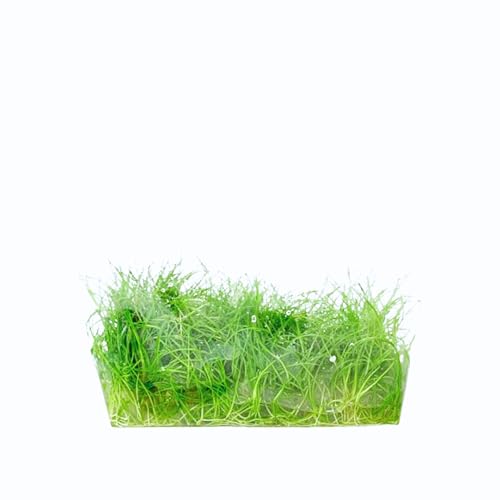
Vitro-grown Dwarf Hairgrass is a staple carpet plant prized for its soft, grassy blades and tidy, low-growing habit. The cultivation method—tissue culture in a sterile environment—reduces the risk of pests and algae introduction. Hairgrass is favored for foreground carpeting in both large and small tanks, offering a clean, lush lawn when provided with sufficient light and regular nutrient dosing. Its delicate texture contrasts nicely with broader-leaved species and can form a striking, natural look in a well-planned aquascape.
As with other light-demanding carpet plants, hairgrass benefits from steady water parameters and careful trimming to prevent patchiness. For best results, place hairgrass toward higher-light zones and maintain a consistent CO2 or alternative carbon source if needed. With patience, it establishes into a verdant carpet that remains visually appealing as new shoots fill in over time.
Buying Guide
Plant Type And Growth Habit
Carpet plants come in varied forms: seed-based blends, rosette-forming species, and stoloniferous runners. Seed mixes offer experimentation but may take longer to establish. Rosette species like HC Cuba and dwarf baby tears deliver dense foreground coverage quickly under proper lighting and nutrients. Monte Carlo and Sagittaria provide varied carpet textures and growth rates, allowing you to tailor the overall look of your aquarium.
Lighting And Nutrient Requirements
Forefront carpeting generally requires moderate to high lighting. More intense light accelerates growth but can increase algae risk if CO2 or nutrients are insufficient. CO2 supplementation or alternative carbon sources aid faster, denser carpets, especially for HC Cuba and Hairgrass. For low-tech tanks, choose slower-spreading species or provide balanced dosing with a reliable fertilizer schedule to support carpet expansion without overwhelming the system.
Substrate And Tank Size
Substrate type and depth influence rooting and spread. Fine-grained substrates support thin-rooted carpeting plants, while nutrient-rich substrates enhance vigor for faster carpet formation. Tank size matters less for carpet initiation than the lighting intensity and water flow that influence new shoots’ health. In smaller tanks, consistency in light and nutrients can prevent patchy carpet growth and ensure even coverage.
Propagation, Maintenance, And Pests
Carpet plants propagate through runners, stolons, or shoots. Regular trimming maintains the intended carpet height and prevents taller plants from shading new growth. Tissue-culture stock generally reduces the chance of pests, but quarantine remains prudent. When ordering live plants, inspect for snails and algae and acclimate slowly to prevent shock. Routine fertilization and water parameter testing help sustain a robust carpet.
Source, Culture Method, And Weather Considerations
Tissue-cultured plants (HC Cuba, Hairgrass) are typically cleaner and snail-free, which is advantageous for sensitive tanks. Seed-based or pot-grown plants (Sagittaria, Monte Carlo) may carry a higher risk of pests and pathogens if not handled properly. Weather can affect shipping and plant vitality; plan purchases with seasonal temperature forecasts and consider acclimation time or delayed shipping when temperatures are extreme. Choosing a mix of culture types can balance reliability and carpet diversity in your aquarium.