Best Dog Carry Harnesses for Easy Lifting, Mobility and Support
When a dog needs mobility help, a carry harness can provide safe, comfortable assistance for aging, injured, or mobility-challenged pets. This guide highlights five top options, explaining who each is best for and why. Use this overview to compare ease of use, comfort features, and lifting aid in everyday situations, outdoor adventures, and rehabilitation at home. The selections emphasize hands-free carrying, stair assistance, and stable support for rear-leg weakness, post-surgery recovery, and joint issues. The right harness helps pets stay mobile without stressing caregivers or risking injury.
| Product | Best For | Key Benefit |
|---|---|---|
| Shinylin S Sling | Small to Medium Dogs | Breathable, strong materials with emergency-ready support |
| Shinylin L Sling | Large Dogs (36–55 lbs) | Durable lift with roomy support for bigger pets |
| Nasjac Full-Body Carrier | Medium to Large Dogs | Versatile shoulder carries, easy on/off |
| YUDODO Front Carrier | Small Pets & Cats | Hands-free front carry with clear sightline |
| PICK FOR LIFE Rear-Leg Harness | Senior, Disabled or Post-Op Dogs | Rear-leg support and rehabilitation focus |
Shinylin S Dog Carry Sling

The Shinylin S is designed for emergencies and outdoor activities, enabling safe transport of injured, sick, or senior dogs. Best for small to medium dogs (12–25 lbs), it combines breathable mesh, heavy-duty Oxford cloth, and a soft fleece lining for comfort and durability. Use this harness to minimize strain on stairs, vehicles, and uneven terrain, giving pets confidence during challenging paths. A caution: effectiveness depends on proper fit and cannot replace professional medical support for serious injuries.
Shinylin L Dog Carry Sling
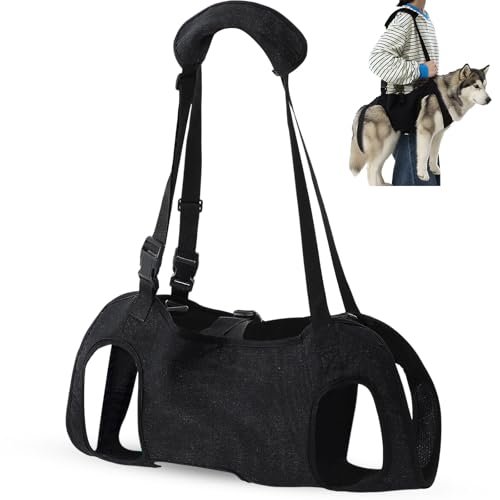
The Shinylin L model is built for larger dogs, supporting 36–55 lbs with the same breathable mesh and sturdy construction as the S. Best for senior or injured large dogs requiring steady terrain assistance and easy lifting. It reduces strain on caregivers when navigating stairs, cars, and uneven ground. Limitation: larger dogs require careful sizing to ensure secure fit and balance.
Nasjac Full-Body Lift Carrier

Nasjac offers a versatile carrier that can switch between single-shoulder and dual-shoulder carrying modes. It uses breathable double-layer polyester mesh and padded edges for dog comfort, with quick, buckle-free setup via strong Velcro straps. Best for medium to large dogs that are elderly or injured, this model is quick to put on and take off. Caution: ensure straps stay secure during movement to maintain support.
YUDODO Front Carrier for Small Dogs
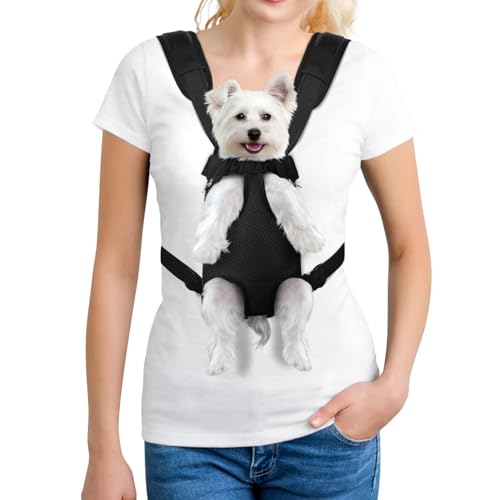
The YUDODO front carrier provides a hands-free option with the pet carried in front, keeping the owner’s line of sight clear and enhancing safety for small pets under 12 lbs. Best for small dogs and cats who enjoy front-facing visibility, this model emphasizes a comfortable design and adjustable fit. Choose this if you want to keep your pet close during hikes or daily errands. Limitation: larger dogs may find this style less comfortable due to weight distribution.
PICK FOR LIFE Rear-Leg Lift Harness

This adjustable rear-leg lift harness focuses on support for weak hind legs, aiding seniors, disabled, or post-surgery dogs. It can help lift a dog into cars, up stairs, and out of bed while stabilizing gait and spine. Best for rehabilitation and daily mobility support, it doubles as a postoperative aid. A caution: ensure proper sizing to avoid pressure points on the hips or spine.
Buying Guide: Key Considerations For Choosing A Carry Harness
What size and weight range does my dog need?
Harnesses come in various sizes to accommodate small, medium, and large dogs. Check weight limits and adjustable straps to ensure a secure, balanced fit that prevents slippage or restricted movement.
Which carrying style fits my daily routine?
Single-shoulder, dual-shoulder, rear-leg oriented, or front-facing designs influence balance, comfort, and how you carry your pet. Select a style that aligns with your typical outings and the dog’s comfort level.
What materials affect comfort and durability?
Look for breathable mesh, soft linings, and robust outer fabrics. Comfort features (soft edges, padded straps) reduce chafing during longer use and help with conditioning and recovery periods.
Is transfer and security easy to manage?
Quick-on, quick-off designs with secure fasteners or Velcro can save time during busy days. A stable harness should hold the dog securely without cutting into the body.
Does it support rehabilitation or post-op needs?
Rear-leg or full-body lifts can aid post-surgical recovery by stabilizing gait and easing transitions from lying to standing. Verify that the harness supports your dog’s specific rehab goals and physician guidelines.
What are potential limitations to consider?
Size accuracy, weight limits, and fit-specific issues (pressure points or straps rubbing) can limit effectiveness. Always measure your dog and try on the harness where possible to ensure a precise fit before regular use.
How should I use the harness safely?
Apply the harness before attempting stairs, vehicle transfers, and off-trail movements. Use supported, even lifting and avoid sudden jerks. Monitor your dog for signs of discomfort or overheating, especially in warm weather or during long sessions.
Summary of Selected Products
- Shinylin S: Best for small–mid dogs; emergency-ready with comfortable fit.
- Shinylin L: Best for large dogs; durable with roomy support.
- Nasjac: Best for flexible carrying; easy to put on and switch modes.
- YUDODO Front Carrier: Best for hands-free front carry of small pets.
- PICK FOR LIFE: Best for rear-leg support and post-operative recovery.
Frequently Asked Questions
- What is a dog carry harness best used for? They help transport injured, aging, or mobility-impaired dogs safely and reduce caregiver strain during daily activities or outdoor adventures.
- Can these harnesses replace veterinary care? No. They assist with mobility but should not substitute professional medical guidance for injuries or surgeries.
- How do I measure my dog for a harness? Follow the manufacturer’s sizing guide, typically including chest and girth measurements, and consider weight range for secure fit.
- Are front-facing carriers suitable for all small dogs? They are best for small pets under a certain weight; verify weight limits and comfort in prolonged use.
- What maintenance is required for these harnesses? Regularly inspect straps, seams, and buckles; clean per the product’s care instructions to maintain durability.
- What safety signs indicate I should stop using a harness? Visible discomfort, rubbing, overheating, or loss of balance during use should prompt a pause and fit adjustment.