Managing feline diabetes requires a veterinarian-guided nutrition plan. The right cat food can help stabilize blood sugar, support healthy weight, and reduce fluctuations. This guide highlights five diabetes-focused options from trusted brands, including Hill’s Prescription Diet and Purina Pro Plan Veterinary Diets. Each product combines high protein, controlled carbohydrates, and targeted nutrients to support diabetic cats. Below you’ll find quick product snapshots, a summary table, and a buying guide to help you compare dry and wet formulas and align choices with your cat’s needs.
| Product | Brand | Type | Size / Format | Key Benefit |
|---|---|---|---|---|
| Hill’s m/d GlucoSupport Chicken Flavor Dry Cat Food | Hill’s Prescription Diet | Dry | 4 lb | Supports glucose control and weight management |
| Hill’s w/d Multi-Benefit Dry Cat Food | Hill’s Prescription Diet | Dry | 4 lb | Glucose, weight, digestion, and urinary health support |
| Purina Pro Plan DM Dry Cat Food 10 lb | Pro Plan Veterinary Diets | Dry | 10 lb | Low carbohydrate, high protein to support healthy glucose levels |
| Purina Pro Plan DM Wet Cat Food 5.5 oz Cans (Pack of 24) | Pro Plan Veterinary Diets | Wet | 5.5 oz cans (24-pack) | High protein, low carbohydrate with added hydration |
| Purina Pro Plan DM Dietetic Dry Cat Food 6 lb | Pro Plan Veterinary Diets | Dry | 6 lb | Low carbohydrate, supports lean mass and urinary health |
Hill’s m/d GlucoSupport Dry Cat Food

Hill’s m/d GlucoSupport is designed by veterinarians to aid glucose control and weight management in diabetic cats. The chicken-flavor dry kibble combines high protein with balanced carbohydrates to support stable blood sugar. This therapeutic diet emphasizes portion control and lean body mass, helping cats lose weight or maintain a healthy weight while following a diabetic plan. The formula uses clinically tested nutrition to support glycemic control and may reduce insulin needs in some cases. Consult your veterinarian to confirm if this diet fits your cat’s insulin regimen and goals.
Hill’s w/d Multi-Benefit Dry Cat Food

Hill’s Prescription Diet w/d Multi-Benefit is a therapeutic option designed to support glucose control, weight management, digestion, and urinary health. The formulation emphasizes high fiber and controlled energy to help manage blood sugar while promoting satiety. The included L-carnitine aids fat metabolism and lean muscle maintenance, which can be beneficial for cats with weight concerns. This diet is intended for cats with multiple health needs, including diabetes, and is used under veterinary guidance. Monitor portion sizes and transition gradually to reduce gastrointestinal upset and improve acceptance by picky eaters.
Purina Pro Plan DM Dry Cat Food 10 lb
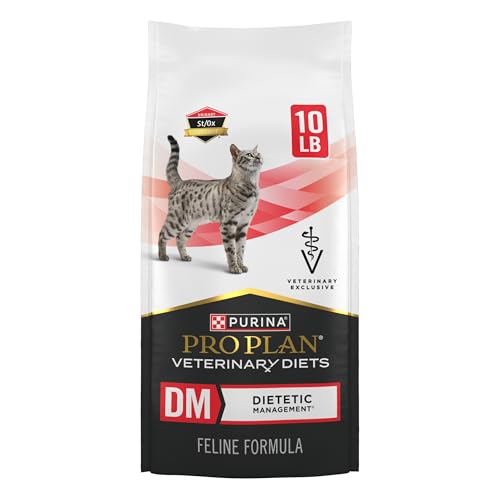
Purina Pro Plan Veterinary Diets DM Dietetic Management Feline Formula Dry Cat Food is formulated to support healthy glucose levels with a low-carbohydrate, high-protein profile. This dry diet promotes lean body mass and a body condition suitable for diabetic cats, while also contributing to a urinary environment unfavorable to crystal formation. The formulation prioritizes nutrient density and ease of feeding, helping cats maintain energy during weight management. Transition under veterinary guidance, monitor blood glucose, and adjust portions based on the cat’s response and activity level.
Purina Pro Plan DM Dietetic Wet Cat Food

Purina Pro Plan DM Dietetic Management Feline Formula Wet Cat Food provides hydration with a nutrition profile designed for diabetes management. The wet format offers high protein and low carbohydrate content, supporting glucose control while increasing moisture intake. It also aids in urinary health by creating an environment that discourages crystal formation. Wet DM options can improve palatability for cats that resist dry diets. As with other prescription diets, it should be used under veterinary supervision, with portions adjusted according to glucose readings and insulin therapy.
Purina Pro Plan DM Dietetic Dry Cat Food 6 lb

Purina Pro Plan DM Dietetic Management Dry Cat Food in a compact 6 lb bag provides the same low-carbohydrate, high-protein formula as larger sizes, supporting healthy glucose levels and lean mass. The dry diet is designed to be easily portioned and stored, with a urinary-friendly profile to help reduce crystal risk. For cats that prefer drier textures or need a cost-friendly option, this size can be convenient. Gradual transition and veterinary oversight remain important, especially for cats adjusting to a diabetic regimen or changing insulin schedules.
Buying Guide
Key considerations when selecting cat foods for diabetes include veterinary guidance, formulation type, and how the diet fits your cat’s lifestyle. Here are practical factors to compare among the options above:
- Veterinary guidance and prescription status: All listed products are veterinary diets or dietetic formulas. A confirmation from your veterinarian is essential before changing your cat’s diet or insulin plan.
- Dry vs. wet formats: Dry foods are convenient and cost-effective but may require increased water intake. Wet foods boost hydration and palatability, which can improve adherence for some cats.
- Carbohydrates and protein balance: Look for low carbohydrate and high protein profiles to support stable glucose levels and preserve lean body mass during weight management.
- Fiber and fat metabolism: Therapeutic diets often include fiber and L-carnitine to aid digestion and fat metabolism, helping with weight control and energy balance.
- Urinary health benefits: Many diabetes-focused diets also support urinary tract health, reducing crystal formation risk.
- Palatability and transitions: Some cats are sensitive to texture or flavor. Gradual transitions help minimize GI upset and maximize acceptance.
- Feeding plan and monitoring: Portion control, feeding schedule, and regular glucose monitoring are crucial. Insulin timing may need adjustment as the diet changes.
- Product formats and storage: Consider packaging size and storage space, especially if you’re managing multiple cats or trying to minimize waste.
- Cost and availability: Prescription diets can vary in price and may require ongoing veterinary coordination. Plan for consistent supply.
The best choice depends on your cat’s specific health needs, insulin regimen, and daily routine. In many cases, vets recommend alternating or combining dry and wet diets to balance moisture intake, palatability, and nutrient density while maintaining stable blood glucose. Regular check-ins with your veterinarian will help tailor portions, assess weight changes, and adjust treatment as diabetes progresses or improves. Always introduce new foods gradually to monitor tolerance and avoid digestive upset.