Kidney disease is common in aging cats, and choosing the right diet can support kidney function while maintaining energy and quality of life. This guide highlights five top Amazon-listed options that emphasize renal support, manageable phosphorus levels, and palatability. Both prescription and non-prescription diets are covered, with dry and wet formats to fit different feeding preferences. Each product is matched to common kidney-care needs, from limited-ingredient profiles to clinically formulated diets, helping you compare at a glance.
| Product | Brand | Notes |
|---|---|---|
| Forza10 Renal Cat Food, 4 lb | Forza10 | Renal and heart support; low phosphorus |
| Hill’s k/d Dry Kidney Care Cat Food | Hill’s Prescription Diet | Clinically proven with kidney defense |
| Hill’s k/d Wet Kidney Stew | Hill’s Prescription Diet | Wet formula with kidney-focused nutrition |
| Purina Pro Plan NF Kidney Function Dry Cat Food | Purina Pro Plan Veterinary Diets | Restricted phosphorus; EPA/DHA |
| Forza10 Renal Cat Food, Fish Protein | Forza10 | Limited-ingredient; low phosphorus |
Forza10 Renal Cat Food, 4 lb
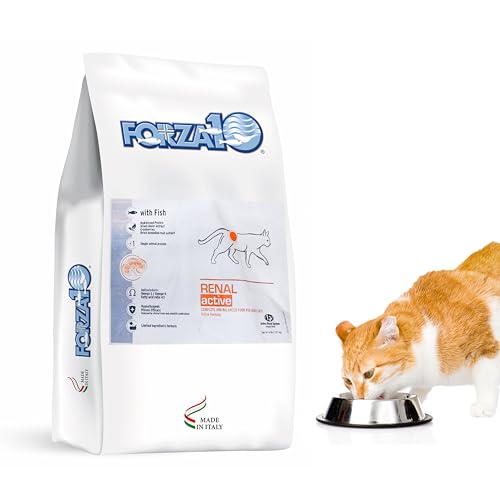
Forza10 Renal Cat Food, 4 lb is a vet-formulated dry diet designed to support kidney and heart health in adult cats facing renal challenges. The formula emphasizes renal support without requiring a prescription, making at-home nutrition management more accessible. Its low phosphorus profile is paired with reduced protein and sodium to ease the workload on aging kidneys while helping maintain energy and vitality. The product also uses a fish-forward protein strategy, incorporating anchovy as a primary protein source to balance amino acids and palatability.
The non-prescription renal diet is intended for regular feeding under veterinary guidance. The blend aims to minimize phosphate load while preserving essential nutrients for overall condition. For cat guardians seeking a straightforward, at-home option that aligns with veterinary advice, this formula offers a practical choice with a focus on kidney and heart support.
Owners should monitor hydration, appetite, and weight during any transition to or from this diet. If a cat shows changes in appetite or constipation, consult a veterinarian for adjustments to feeding plans or a transition period with gradual mixing of new foods.
Hill’s k/d Dry Kidney Care Cat Food

Hill’s Prescription Diet k/d Kidney Care Dry Cat Food is developed by Hill’s nutritionists and veterinarians to help protect vital kidney function. This prescription diet is designed to meet the needs of cats with chronic kidney issues by providing targeted nutrition that supports renal health over time. The formula highlights ActivBiome+ Kidney Defense, a proprietary blend of prebiotics intended to support the gut microbiome in ways that complement kidney care. The diet is formulated to be palatable while delivering a nutrient profile aimed at reducing kidney burden and supporting energy levels.
Because this is a veterinary diet, it requires veterinary supervision and a prescription. Transitioning to a k/d dry formula should be done gradually over 7–14 days, with monitoring for appetite, stool consistency, and hydration. The product is ideal for cats whose kidney disease is managed through diet in conjunction with ongoing veterinary care.
For cats with evolving kidney conditions, this dry option offers a practical, clinically backed approach to maintaining kidney function. Reassess dietary needs periodically under a clinician’s guidance to ensure ongoing compatibility with the cat’s health status and other treatments.
Hill’s k/d Kidney Care Chicken & Vegetable Stew Wet Cat Food

Hill’s Prescription Diet k/d Kidney Care Chicken & Vegetable Stew Wet Cat Food is a kidney-focused, canned option that supports vital kidney function through clinically supported nutrition. The wet formula can help with hydration while delivering a balanced profile that aligns with kidney health goals. It is designed to work with the ActivBiome+ Kidney Defense system, featuring prebiotics to support gut health and kidney protection. This stew format is suitable for cats that prefer moisture-rich meals or require additional hydration from their food.
As with other prescription diets, this product should be used under veterinary supervision. A gradual transition is advised to prevent digestive upset and to help the cat adapt to a new texture and moisture level. Regular veterinary check-ins are recommended to assess kidney function, weight, and hydration status during dietary management.
Purina Pro Plan NF Kidney Function Dry Cat Food

Purina Pro Plan Veterinary Diets NF Kidney Function Advanced Care Feline Formula Dry Cat Food features a reduced amount of high-quality protein and restricted phosphorus to support kidney health. The formula also includes omega-3 fatty acids (EPA and DHA) that contribute to inflammatory balance and overall organ support. This dry option is designed to be fed under veterinary guidance, with a focus on sustaining kidney function while meeting essential amino acid needs and maintaining body condition.
The product emphasizes a balanced approach to nutrition for cats with kidney concerns, offering a non-prescription path that can be used as part of an at-home management plan. Transitioning to this diet should be guided by a veterinarian to ensure compatibility with any other treatments and ongoing kidney assessment using relevant clinical markers.
Forza10 Renal Cat Food, Fish Protein

Forza10 Renal Cat Food with Fish Protein is a dry, limited-ingredient formula designed to support renal function in cats with renal challenges. It emphasizes a fish-based protein strategy (hydrolyzed or fish protein) to reduce dietary sensitivities, with a phosphorus-conscious profile and antioxidant-rich botanicals to support detoxification and oxidative balance. Cranberry is included for urinary health support, contributing to a well-rounded kidney care diet without requiring a prescription.
The limited-ingredient design can be beneficial for cats with sensitivities or allergies, and the non-prescription status offers convenience for home feeding under veterinary guidance. As with other renal diets, gradual transition and ongoing monitoring of kidney parameters are recommended to ensure continued tolerance and effectiveness.
Buying Guide
When selecting a cat food for kidney health, consider the cat’s disease stage, overall health, and feeding preferences. Kidney care diets can be prescription or non-prescription, dry or wet, and some use limited ingredients to reduce sensitivity. Here are key factors to guide decisions:
- Veterinary guidance and treatment plan: Prescription diets (k/d, NF) should follow a veterinarian’s recommendations, with regular kidney function monitoring.
- Format preference: Wet foods increase moisture intake, which can aid hydration; dry foods are convenient and may be more palatable for some cats but typically contain lower moisture.
- Protein and phosphorus balance: Renal diets aim to limit phosphorus and adjust protein to reduce kidney workload while maintaining essential amino acids for health.
- Ingredient quality and palatability: Limited-ingredient options or fish-based proteins can improve tolerability and appeal for picky eaters.
- Hydration strategy: For dry-food-heavy regimens, ensure constant access to fresh water or consider adding moisture-rich wet meals.
- Transition planning: Introduce new diets gradually (7–14 days) to minimize digestive upset and to help the cat adjust to texture and flavor.
- Cost and availability: Prescription diets may require ongoing veterinary oversight and recurring purchases; assess budget and access to a veterinary-approved plan.
- Monitoring: Regular weight checks, appetite tracking, hydration status, and periodic blood work help evaluate the diet’s effectiveness and adjust as needed.
Side Considerations and Perspectives
For some cats, a non-prescription renal diet may align with lifestyle or financial constraints, while others benefit from veterinarian-prescribed formulations that include clinically studied components like prebiotics and omega-3 fatty acids. Palatability matters; if a cat refuses the food, consult a vet about alternative textures, mixing strategies, or temporary supplements to ensure hydration and nutrition remain adequate. In certain cases, a combination of wet and dry renal diets can provide both moisture and nutrient stability. Always seek professional guidance when kidney function is a concern, as individual needs can vary widely.