Best Critical Care Foods for Cats and Other Small Pets
Answering the common question of what to feed a sick or recovering pet, these options are designed to provide high-calorie, easily digestible nutrition when appetite or intake is limited. They’re suitable for cats in recovery, ferrets and other carnivores, and small herbivores like rabbits and guinea pigs. This guide highlights five products that balance energy density, digestibility, and palatability to support recuperation and maintain body weight during illness or post-surgery. Buyers can choose based on pet type, feeding method, and ease of preparation.
| Product | Best For | Key Benefit |
|---|---|---|
| Oxbow Critical Care Carnivore | Cats and ferrets | High-calorie recovery formula with egg and chicken |
| Oxbow Critical Care Carnivore Assist | Cats & ferrets needing easy feeding | High calorie, ready-to-use assist feeding formula |
| EMERAID Sustain Feline Recovery Food | Cats recovering from illness | Electrolyte-balanced, easy-to-digest recovery food |
| Pro Plan Veterinary Diets CN | Cats and dogs needing nutrition | Energy-dense, protein-rich wet food |
| Oxbow Critical Care Omnivore | Small omnivores | Vet-formulated recovery diet for energy and digestion |
Oxbow Critical Care Carnivore
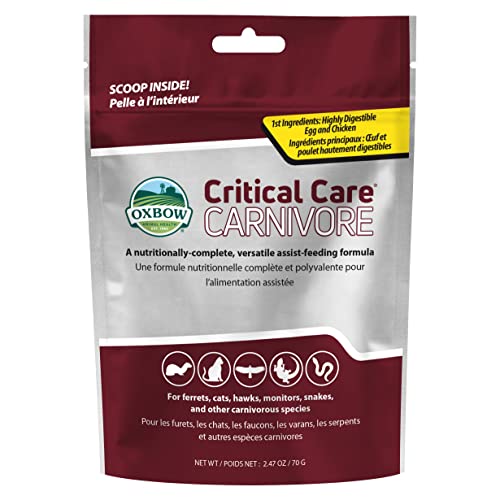
Best for carnivorous pets needing energy-dense nutrition, this formula combines whole egg and dried chicken to support recovery in cats and ferrets. It’s designed as a veterinary-recommended aid to restore body weight and strengthen feeding response when appetite is low. The high-calorie approach helps meet energy needs in smaller portions, reducing the volume a sick pet must eat. Suitable as part of post-illness recovery or as an appetite-stimulant for underweight cats. Use under veterinary guidance to tailor feeding amounts.
Who it’s best for: Cats or ferrets with poor nutritional status or appetite loss. It’s especially useful when a small amount of nutrition is required to kickstart recovery.
Caution/limitation: Use as directed by a veterinarian; pomoting appetite should not replace necessary medical treatment or hydration as advised by a clinician.
Oxbow Critical Care Carnivore Assist

Best if you need a high-calorie assist-feeding formula for carnivores, this product supports cats and ferrets during illness or post-surgery. It provides concentrated energy in small servings and is designed for syringe or spoon feeding, making it suitable when pets cannot consume full meals. Preparation involves mixing powder with warm water to achieve a smooth paste. Feeding should follow veterinary guidance to adjust volume and frequency as recovery progresses.
Who it’s best for: Weak or underweight carnivores that cannot eat large meals, or those requiring hand-feeding support.
Caution/limitation: Adjust the texture and amount per veterinarian instructions to avoid stressing a sensitive system during early recovery.
EMERAID Sustain Feline Recovery Food

Best for cats recovering from illness with a need for a complete, easy-to-digest recovery diet, Sustain offers high-energy nutrition with balanced electrolytes for hydration. The product is designed as a complete recovery food and topper, helping cats regain strength while supporting fluid balance. Electrolytes help maintain hydration, which is crucial if appetite remains low and fluid intake must be optimized.
Who it’s best for: Cats at any life stage needing a readily digestible recovery option that supports hydration and energy.
Caution/limitation: Use as part of a veterinary-directed plan, especially if your cat has kidney or electrolyte concerns.
Pro Plan Veterinary Diets CN
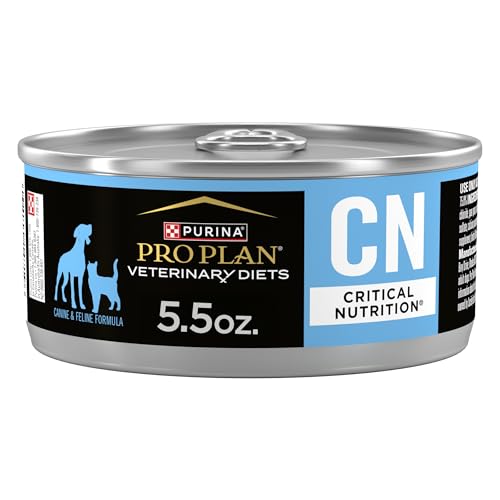
Best for a versatile, energy-dense option that supports tissue repair through adequate protein and high-fat content. This wet food is formulated to deliver essential amino acids and calories for recovery in both cats and dogs, making it suitable for mixed households or multi-pet scenarios. It’s selected here for cases requiring a reliable, high-energy nutrition source when appetite may be variable or partial.
Who it’s best for: Cats and dogs needing concentrated calories and protein to support healing and energy during recovery.
Caution/limitation: Ensure feeding aligns with veterinarian guidance, particularly for pets with obesity risk or dietary restrictions.
Oxbow Critical Care Omnivore

Best for small omnivores needing a balanced recovery diet, this formula combines animal, plant, and insect nutrients to support energy, digestion, and overall recovery during illness. It is crafted for hamsters, rats, mice, and similar pets, delivering nutrients in a palatable, easy-to-digest format. The product supports immune health and gut function, making it a solid choice when appetite and intake are limited.
Who it’s best for: Small omnivores requiring a nutrient-dense, easy-to-consume recovery diet that supports digestion and immunity.
Caution/limitation: Tailor portions to veterinary recommendations to avoid excessive energy intake during recovery phases.
Buying Guide
What to consider when selecting critical care pet foods:
- Pet type and diet compatibility: Choose products tailored to carnivores (cats/ferrets), omnivores (rats, mice, hamsters), or herbivores (rabbits, guinea pigs).
- Feeding method: Some formulas are ready-to-use, while others require mixing or syringe feeding. Consider ease of administration for your pet’s condition.
- Calorie density: Higher calorie per serving supports recovery with smaller portions, which is important for weak or underweight pets.
- Nutrient balance: Look for adequate protein, fats, vitamins, minerals, and electrolytes for hydration and tissue repair.
- Preparation and safety: Follow veterinary guidance for mixing, texture, and feeding frequency to avoid digestive upset.
Frequently Asked Questions
- What is critical care pet food used for?
It provides concentrated calories and easily digestible nutrients to support recovery after illness, surgery, or inappetence.
- How do I choose between carnivore and omnivore formulas?
Match the product to your pet’s species and dietary needs; carnivore formulas prioritize animal protein, while omnivore formulas offer a balanced mix of nutrients for mixed diets.
- Can these foods be used long-term?
They are designed for recovery or short-term appetite support. Long-term use should be guided by a veterinarian.
- Should I syringe-feed or bowl-feed?
Feeding method depends on your pet’s condition and veterinarian recommendations; syringe feeding is common during early recovery for small or weak animals.
- Are electrolyte-balanced options better for hydration?
Electrolytes assist hydration and fluid balance, which can be important if dehydration risk is present during recovery.
- Is a vet consult necessary?
Yes, to tailor nutrition to your pet’s illness, medications, and overall recovery plan.