Choosing the right dog food matters for canine inflammatory bowel disease (IBD). This guide reviews five widely available options designed to support digestion, reduce inflammation, and maintain overall health. Each product targets digestive comfort with proteins that are gentle on the gut, fiber and prebiotics to balance the microbiome, or veterinary-approved formulas for sensitive stomachs. The list below highlights what makes each option distinct and how it may fit into a veterinary plan for dogs with IBD.
| Product | Brand | Key Benefit For IBD | Primary Protein |
|---|---|---|---|
| Forza10 Active Colon Support Diet Phase 1 Hydrolyzed Dog Food | Forza10 | Hypoallergenic, supports intestinal health | Icelandic wild-caught anchovy |
| Hill’s Prescription Diet i/d Low Fat Digestive Care | HILL’S PRESCRIPTION DIET | Low fat, highly digestible for fat-responsive digestion | Chicken |
| Hill’s Prescription Diet i/d Digestive Care | HILL’S PRESCRIPTION DIET | Clinically studied gut support and easy nutrient absorption | Chicken |
| Purina ONE Lamb and Rice Formula | Purina ONE | Prebiotic fiber for gut health and microbiome balance | Lamb |
| IAMS Proactive Health Minichunks With Real Chicken | IAMS | Natural fiber and prebiotics to support digestion | Chicken |
Forza10 Hydrolyzed Dog Food For IBD
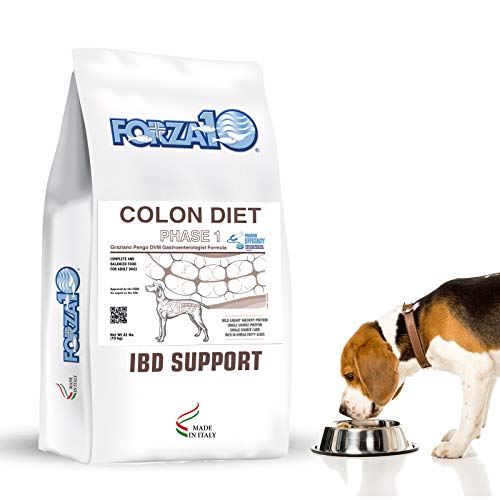
For dogs with inflammatory bowel disease or other digestive sensitivities, Forza10 Active Colon Support Diet Phase 1 uses hydrolyzed protein to minimize the risk of triggering immune reactions. The primary protein source is Icelandic wild-caught anchovy, which reduces exposure to common allergens and supports a calmer gut environment. The Phase 1 formulation aims to ease digestion and stool consistency, making it a practical option during flare-ups or dietary transitions.
In addition to hydrolyzed protein, this formula includes oregano, rose hips, and psyllium seed husk to promote intestinal health and regularity. Omega fatty acids from anchovy help nourish the skin and coat, offering a secondary benefit for dogs with concurrent skin issues. This dry kibble comes in a larger 22-pound bag for steady feeding.
- Hypoallergenic formula with a single protein source: anchovy
- Intestinal health support: oregano, rose hips, psyllium husk
- Omega fatty acids from anchovy for skin and coat
- Phase 1 formulation designed to ease digestive upset
- Dry dog food, 22-pound bag
Hill’s i/d Low Fat Digestive Care

Hill’s Prescription Diet i/d Low Fat Digestive Care is a veterinarian-recommended option for dogs with fat-related digestive concerns. The low-fat, highly digestible formula is designed to minimize fat-triggered GI upsets while delivering essential nutrients. Developed by Hill’s nutritionists and veterinarians, this diet supports digestive comfort and overall health during IBD management or flare-ups. Transition should be done under veterinary guidance to ensure acceptance and nutrient balance.
Key advantages include a low-fat profile to reduce fat digestion demands, a chicken-based protein source, and a complete and balanced nutrition profile for adult dogs. While not appropriate for all dogs, it is a common prescription choice for managing fat-responsive GI symptoms in canine IBD care plans.
- Low-fat, highly digestible formula
- Clinically tested to settle fat-responsive digestive upsets
- Real chicken as primary protein
- Complete and balanced for adult dogs
- Designed for digestive comfort during IBD management
Hill’s i/d Digestive Care

Hill’s Prescription Diet i/d Digestive Care is another veterinary formulation designed to support ongoing digestive health. Clinically studied nutrition aims to settle digestive upsets and promote easy nutrient absorption. This product is typically used for chronic GI conditions and diarrhea management in adult dogs, offering a reliable option when a dog’s gut needs steady, balanced nourishment.
Highlights include a highly digestible formula and a focus on bowel comfort. Prescription diets like i/d are often part of a broader veterinary plan that may include staged transitions between foods or mixed feeding strategies to optimize tolerance and energy levels.
- Clinically proven to help settle digestive upsets
- Highly digestible formula for easy nutrient absorption
- Digestible chicken protein
- Balanced nutrition for adult dogs
- Often used under veterinary guidelines for IBD management
Purina ONE Lamb And Rice Formula

Purina ONE Lamb and Rice Formula combines real lamb with high-quality ingredients and a SmartBlend for steady nutrition. Real lamb as the first ingredient provides a solid protein base while avoiding some common poultry allergens that can irritate sensitive stomachs. The formula includes prebiotic fiber to support gut health and digestion, contributing to a balanced microbiome that may benefit dogs with IBD.
As a widely available OTC option, Purina ONE Lamb and Rice offers a practical daily feeding choice. The blend emphasizes quality protein and whole-body health, including immune support through a balanced diet rich in nutrients and fiber.
- Real lamb first ingredient
- Prebiotic fiber supports gut health
- SmartBlend of high-quality ingredients
- Supports microbiome balance and immune health
IAMS Proactive Health Minichunks

IAMS Proactive Health Minichunks Adult Dry Dog Food with Real Chicken is a complete and balanced daily option designed for adult dogs. The formula features 0% fillers and includes natural fiber and prebiotics to support digestion and gut balance. It’s formulated to help maintain heart health through seven essential nutrients, aligning with a comprehensive approach to canine wellness during IBD management.
Key attributes include a real chicken protein base, digestible grains, and a focus on whole-body health. This non-prescription option is widely available and can be a dependable choice for daily feeding when veterinary guidance supports its use.
- 100% complete and balanced, 0% fillers
- Natural fiber and prebiotics to support digestion
- Real chicken protein for palatability and nutrition
- Supports heart health with seven essential nutrients
Buying Guide
When choosing dog food for IBD, it helps to distinguish between prescription diets and OTC options. Veterinary guidance is important, as IBD can vary in severity and may require tailored nutrition, gradual transitions, or supplemental therapies. Consider the following factors to help guide a feeding plan that fits your dog’s needs and your budget.
- Protein strategy: Hydrolyzed protein formulas reduce allergen exposure, while single-protein sources minimize triggers. For some dogs, a vet-recommended prescription diet is the best first step during flare-ups.
- Fat content: Low-fat or easily digestible formulas can ease fat digestion and stool quality. Assess how fat tolerance aligns with your dog’s energy needs.
- Fiber and prebiotics: Soluble and insoluble fibers, plus prebiotics, support the gut microbiome and stool regularity. Look for ingredients like psyllium, beet pulp, chicory, or inulin.
- Digestibility: Highly digestible ingredients reduce the workload on the gut. Choose formulas labeled as easy to digest or formulated for digestive care.
- Vet guidance and transitions: Introduce changes gradually (7–10 days) to reduce GI upset. Monitor stool quality, appetite, energy, and coat condition during transitions.
- Avoid triggers: Common irritants include certain grains, fillers, artificial additives, and high-fat ingredients. Read labels carefully for potential allergens.
- Life stage and breed: Size, age, and metabolic rate influence portion sizes and nutritional needs. Large-breed dogs may require different nutrient balance than small breeds.
- Cost and accessibility: Prescription diets may require ongoing veterinary oversight and regular refills; OTC options can be more budget-friendly but may require trial-and-error.
- Palatability and acceptance: If your dog is a picky eater, you may need a blended approach or gradual flavor introductions under veterinary advice.
| Key Purchase Considerations | What It Means for IBD | Practical Tip |
|---|---|---|
| Hydrolyzed protein vs whole protein | Reduces allergen exposure; may relieve GI inflammation | Ask your vet if hydrolyzed protein is appropriate for flare-ups |
| Fat content | Low-fat options can minimize fat-triggered digestion issues | Monitor stool and energy after switching to low-fat diets |
| Fiber and prebiotics | Supports gut microbiome and stool quality | Check for psyllium, beet pulp, inulin, or chicory root |
| Vet guidance | Aids in crafting a safe, effective feeding plan | Discuss transition plans and monitoring with your vet |
| Long-term sustainability | Balance nutrition with practicality and cost | Plan for ongoing management beyond initial relief |