Best E Collar for Hunting Dogs: Safe Training on Trails
Find the right e-collar for hunting dogs by comparing humane training options, remote control range, and rugged build. This guide highlights five top choices for different dogs and hunting scenarios—small, medium, and large—so you can pick the best fit for your field adventures. The top picks cover adjustable stimulation, long-range reach, water resistance, and GPS/tracking features where applicable. Use this overview to identify which collar aligns with your dog’s temperament, terrain, and training goals.
| Product | Brand | Best For | |
|---|---|---|---|
| Bousnic Dog Shock Collar | BOUSNIC | All sizes, basic obedience | 3300 ft range, 3 training modes |
| Dogtra Pathfinder 2 | Dogtra | Medium to large, GPS tracking | 9-mile range, GPS and mapping |
| Jugbow Dog Shock Collar | Jugbow | Active outdoor training | 4500 ft range, 4 modes |
| INVIROX Ultra K9 | INVIROX | Reactive or stubborn dogs | 124 levels, IP67 waterproof |
| BLACKDOG Military Dog Shock Collar | Blackdog | Durable field use | IP67 waterproof, flashlight + strobe |
Note on selection: For hunters, the ideal collar blends long-range control with reliability in rugged outdoor conditions. If you need GPS and real-time tracking, Dogtra Pathfinder 2 stands out. For rugged field missions with multiple dogs, Jugbow’s longer range and multi-dog functionality can be advantageous. For general obedience and smaller dogs, Bousnic provides a safer, more compact option. INVIROX and BLACKDOG deliver strong durability with weather resistance and practical features like night lighting.
Bousnic Dog Shock Collar Review
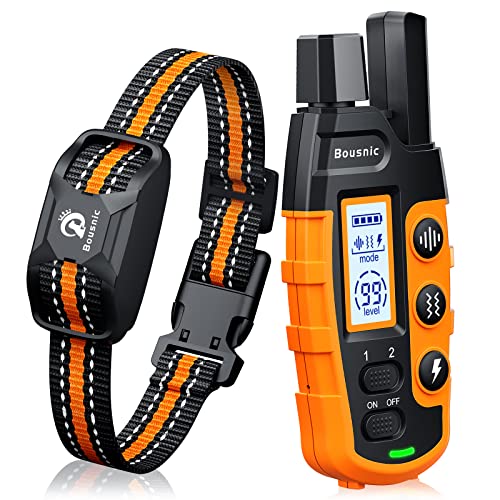
The Bousnic collar offers humane training modes with adjustable beep, vibration, and safe shock levels. It covers up to 3300 feet with dual-channel capability for training two dogs simultaneously. It fits a wide range of dogs from 5 to 120 pounds. Best for: owners seeking a versatile, affordable option for basic recall and behavior shaping in both yard and open-field settings. Limitation: no GPS or mobile app integration. Use this for straightforward obedience work and yard-to-field transitions.
Dogtra Pathfinder 2 – Hunting E-Collar with GPS

The Pathfinder 2 combines e-collar training with GPS tracking, offering up to a 9-mile range and a dedicated app with maps powered by MAP BOX. It supports one-touch function assignment, enabling quick stimulation after commands. Best for: hunters who need robust tracking, precise training control, and offline map capabilities for remote terrain. Caution: GPS tracking requires setup and familiarity with the app for optimal results.
Jugbow 4500FT Training Collar

Jugbow emphasizes a long-range experience with four training modes including an Emergency Shock option. It supports two dogs on one remote and remembers settings per dog for quick switching. Best for: families or handlers who train multiple dogs on expansive hunts or in parks. Limitation: Emergency Shock mode requires careful and ethical use to prevent distress or injury.
INVIROX Ultra K9 Training Collar
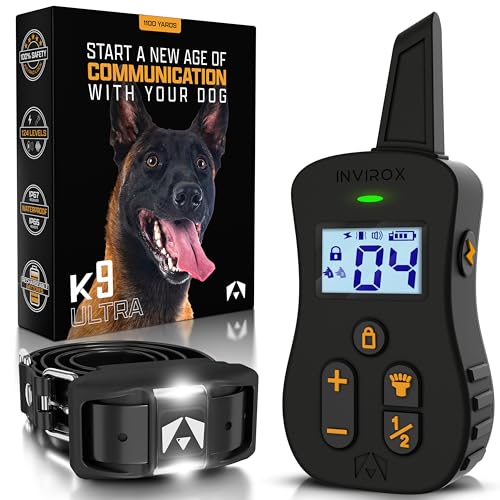
INVIROX offers 124 training levels, night-light mode, and IP67 waterproofing. It provides a dual wearing option and a keypad lock to prevent accidental shocks. Best for: dogs that respond best to highly granular correction and outdoor work in variable weather. Caution: higher level options require careful progression to avoid over-stimulation.
BLACKDOG Military E-Collar

This model emphasizes rugged, military-grade durability with IP67 waterproofing and a built-in flashlight plus strobe for night tracking. Best for: hunters who operate in rugged, wet, or dark environments and need a sturdy, reliable tool. Limitation: heavier and bulkier; may be less comfortable for small dogs or long sessions.
Buying Guide
What should I look for in an e-collar for hunting?
Range, waterproof rating, and stimulation options top the list. A longer range helps you manage dogs across open terrain, while waterproofing ensures functionality in rain, mud, or water. Multiple stimulation modes (beep, vibration, shock) let you tailor corrections to temperament and training goals.
Is GPS tracking important for hunting dogs?
GPS tracking is highly beneficial for locating dogs across large fields. If you hunt in expansive or remote areas, a collar with GPS and mapping features can reduce loss risk and improve recall efficiency. Some systems provide offline maps and geofencing for added safety.
How many dogs can I train with one remote?
Some collars support multi-dog training with a single remote, often via a pairing feature. If you frequently work with more than one dog, choose a system that offers Add-a-Dog compatibility or dual-channel functionality to simplify management in the field.
What about safety and comfort?
Look for a keypad lock to prevent accidental stimulation, adjustable collar fit, and a mode progression plan that starts at low levels. A no-shock or low-level option is valuable for puppies, seniors, or dogs with sensitivity. Always follow humane training guidelines and use the minimum effective stimulation.
Which features justify the price?
Features like GPS, long range, IP67/67 waterproofing, night lighting, and a robust build typically justify higher prices. For basic obedience or recall in closer-range hunts, a simpler model with essential modes can be sufficient and more affordable.
Best practice for use in the field
Test the collar in a controlled environment before hunting. Establish a clear training plan with cue-reward timing, and progressively adjust levels as your dog learns. Regular battery checks and waterproof care extend device life in outdoor conditions.
FAQ
- Q: Do e-collars work for all hunting dogs?
A: They work for many breeds, but effectiveness depends on temperament, training consistency, and proper use. - Q: Can GPS e-collars replace traditional training methods?
A: No. They should supplement training with clear commands, consistent practice, and positive reinforcement. - Q: How long should a training session last?
A: Start with short sessions (5–15 minutes) and gradually extend as your dog stays focused. - Q: Are there safety concerns with shock modes?
A: Use the lowest effective level and avoid prolonged stimulation. Prefer non-aversive modes when possible. - Q: Can I use these collars on very small or very large dogs?
A: Most models specify weight ranges; ensure the collar fits securely and comfortably for your dog’s size.