Best Electric Fences for Dogs: Safe, Humane Containment Options
Dogs benefit from clear boundaries that keep them safe while preserving their freedom to explore. This guide reviews top electric fence systems designed for dogs, focusing on reliability, ease of setup, and pet welfare. Learn how wireless and in-ground options compare, what features matter for different breeds and yards, and how to choose the right system for outdoor use, training, and long-term containment.
Summary of chosen products
- PetSafe Wireless Pet Containment System — wireless, up to 1/2 acre, adjustable correction
- PetSafe Stubborn Dog In-Ground Fence — custom in-ground boundary, up to 1/3 acre
- PcEoTllar Electric Fence For Dogs — 4/5 acre capacity, safe, adjustable collar
- PATPET GPS Wireless Dog Fence System — GPS-based, outdoor use, large boundary potential
- RunFence Wireless Dog Fence — dual function fence and training collar, IPX7
PetSafe Wireless Pet Containment System

The PetSafe Wireless Pet Containment System offers a lightweight, travel-friendly boundary that sets up in about 1-2 hours. It creates a circular area covering up to a half acre and requires no digging, making it suitable for quick deployments in temporary or rental yards. The collar supports five adjustable correction levels plus a tone-only training mode and reentry protection to reduce false corrections. It’s designed for pets 8 pounds and up, with a waterproof, rechargeable receiver that fits neck sizes from 6 to 28 inches.
Key features include:
- Boundary: Wireless, circular up to 1/2 acre
- Corrections: 5 levels plus tone-only mode
- Collar: Waterproof, rechargeable, adjustable neck size
PetSafe Stubborn Dog In-Ground Fence

The Stubborn Dog In-Ground Fence enables you to craft a custom boundary in your yard. It supports up to one-third of an acre and includes 500 feet of 20-gauge wire for a tailored perimeter. The collar offers tone and vibration with four levels of static correction, adjustable to your dog’s temperament. The system is designed for dogs over six months and at least 8 pounds, with neck sizes adjustable from 6 to 28 inches.
Highlights include:
- Boundary: Custom in-ground layout, up to 1/3 acre
- Correction: Tone, vibration, and four static levels
- Collar: Waterproof, adjustable neck sizes
PcEoTllar Electric Fence For Dogs

The PcEoTllar system supports up to 4/5 acre containment by burying boundary wires to reduce tripping risks and free up yard space. The kit includes two water-resistant collars and straightforward assembly instructions. The collar neck size ranges from 9.5 to 26 inches, and the system uses a safe conductive silica gel to avoid direct skin contact. This design emphasizes ease of installation, safety, and a comfortable fit for various dog sizes.
Notable points:
- Area: Up to 4/5 acre with buried wire layout
- Safety: Conductive silica gel head for skin protection
- Collars: Water-resistant, adjustable neck sizing
PATPET GPS Wireless Dog Fence System

The PATPET GPS wireless fence relies on GPS positioning to define safe zones outdoors. It offers an adjustable radius from 33 to 9,999 yards (up to large properties), with a memory function that retains boundary settings after power loss. The system supports three training modes—No Shock, General Shock, and Enhanced Shock—allowing flexible, humane correction without hidden costs for additional accessories. It’s best suited for outdoor use where GPS signals are strong.
Key aspects include:
- Boundary: GPS-based, adjustable radius up to very large areas
- Training: Three modes for humane correction
- Memory: Boundary settings retained after power-off
RunFence Wireless Dog Fence
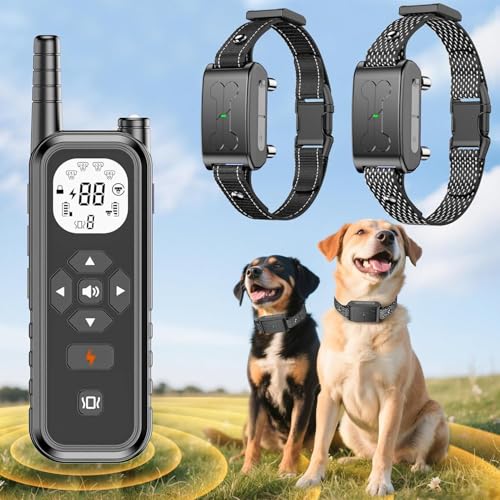
The RunFence system combines a wireless fencing solution with a built-in training collar. It offers 10 adjustable distance levels from 30 to 1300 feet, enabling flexible boundary setup for varying yard sizes. The package supports three training modes and a waterproof collar with short or long contact points to accommodate different coat types. It also claims IPX7 waterproofing, making it suitable for all weather conditions and outdoor activities.
Considerations include:
- Boundary: 30–1300 feet adjustable with wireless setup
- Training: Three modes with instantaneous response
- Durability: IPX7 waterproof collar and two-pack option
GPS-Based And Traditional Fence Comparison
Choosing between GPS-based and traditional wireless or in-ground systems hinges on yard layout, terrain, climate, and how you plan to deploy training. GPS fences excel in large, open outdoor spaces without buried wires, but rely on reliable satellite signals and may have some limitations indoors or under heavy canopy. Wireless and in-ground systems typically provide constant boundaries with less signal dependency, though they require wire placement or a transmitter layout. For multi-pet homes, consider collars that support multiple settings and easy control of levels to match each dog’s temperament.
Practical considerations include:
- Yard size and shape: Large properties may favor GPS; smaller yards often benefit from wired or wireless layouts
- Terrain and obstacles: Wireless can be disrupted by dense structures; in-ground minimizes trip hazards
- Training goals: No-shock and tone modes support positive reinforcement; static correction should be tailored
Buying Guide
When selecting an electric fence system for dogs, consider containment area, installation requirements, collar comfort, and ongoing maintenance. Important factors include:
- Containment area and boundary type: Wireless, in-ground, or GPS-based boundaries; assess your yard’s size and shape
- Installation effort: Wireless and GPS options typically require less setup than buried-wire systems, but may need line-of-sight or strong GPS signals
- Collar quality and comfort: Waterproofing, neck sizing, and contact points; ensure skin-safe materials
- Correction levels and training modes: A mix of tone, vibration, and safe static levels; plan a humane training protocol
- Expandability: Compatibility with multiple dogs, collars, and accessory accessories; check for upgrade options
- Weather durability: IP ratings and battery longevity; outdoor exposure considerations
- Safety features: Reentry tones, boundary cues, and escalation limits to prevent overcorrection
- Cost of ownership: Initial equipment, replacement parts, and potential expansion for more pets