Best Filter Media for Planted Tanks: Clear Water and Healthy Plants
Planted tanks demand filtration that supports both vigorous plant growth and pristine water. The right filter media balances mechanical debris removal with robust biological filtration, while avoiding nutrient depletion that can stunt plants. This article reviews five well-suited filter media options for planted aquariums, explains how each type works, and offers practical buying tips to help hobbyists select media that promote clear water, stable bio-filtration, and flourishing aquatic flora.
The following table summarizes five suitable filter media for planted tanks, highlighting their primary role and key benefits to help you compare at a glance.
| Product | Brand | Type | Key Benefit |
|---|---|---|---|
| BioMax Biological Filter Media | Fluval | Biological | Enhances beneficial bacteria growth; lowers ammonia and nitrate; clear water |
| Carbon Pad Filter Media | Aquatic Experts | Chemical/Mechanical | Eliminates odors and discoloration; easy to cut to fit |
| FilterFirst Filter Pad | Aquatic Experts | Mechanical/Polishing | Dual-layer filtration traps large and fine debris; easy to customize |
| Carbon Filter Media | Fluval | Chemical | Improves water clarity and color; removes impurities |
| Bio Ceramic Brick Media | MAQIHAN | Biological | High surface area for biofiltration; supports stable water chemistry |
BioMax Biological Filter Media
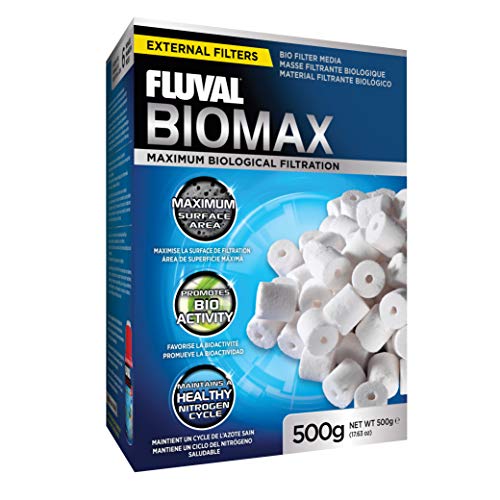
Fluval BioMax is designed as a premium biological filter media that promotes healthy nitrification by providing extensive surface area for beneficial bacteria. It is compatible with Fluval Filter Series models, making it a straightforward upgrade for Fluval canister and internal filters. In planted tanks, robust biofiltration helps maintain stable ammonia and nitrate levels, supporting vigorous plant growth and preventing algae outbreaks caused by sudden spikes. The porous design encourages long contact time as water passes through, helping to maintain clear water while plants uptake nutrients.
- Biofiltration focus: fosters beneficial bacteria colonies to process ammonia and nitrite
- Crystal-clear water: aids in maintaining stable water parameters for plants
- Compatibility: works with Fluval 106/206/306/406 and other Fluval models
For planted tanks, BioMax can be paired with other media to balance filtration layers. Regular gentle rinsing of BioMax helps preserve bacterial colonies while keeping flow through the filter medium. Users should monitor nitrate levels to ensure plants receive adequate nutrients without fostering nuisance algae. The media’s porous matrix supports consistent microbial activity, which is essential for a balanced planted aquarium ecosystem.
Carbon Pad Filter Media

This activated carbon pad replaces loose carbon granules, delivering a cleaner aquarium with less maintenance mess. The pad can be cut to fit virtually any filter, allowing quick customization for planted tanks with varied filter designs. Carbon pads are particularly useful when you need to remove odors, medications, or residual pollutants that may affect plant health or water clarity. While carbon media improves water quality, it is usually recommended to cycle out carbon temporarily during nutrient dosing to avoid stripping beneficial compounds from the water column.
- Easy to use: eliminates dust and spills associated with loose carbon
- Cut to fit: versatile across many filter brands and sizes
- Odor and discoloration control: helps maintain clear water between water changes
In planted tanks, use carbon pads judiciously. They are most beneficial after cleaning or introducing new livestock, or when diagnosing water quality issues. During normal plant growth phases, carbon can be removed temporarily to preserve micronutrients and to prevent overly rapid removal of certain plant-available compounds. Properly sized carbon pads help maintain water clarity without compromising plant health.
FilterFirst Aquarium Filter Pad

FilterFirst Filter Pad combines two filtration functions in one: an open fiber top layer traps larger debris, while a dense bottom layer catches fines. This dual-density design acts as a water polishing medium, helping to produce noticeably clearer water—an important factor for planted tanks where plant photosynthesis thrives with optimal light penetration. The pad is cut-to-fit, supporting a wide range of filters, including wet-dry, canister, and sump setups often used in hobbyist planted aquariums.
- Two-layer filtration: larger debris removal plus fine particle capture
- Water polishing: improves clarity for better plant growth and viewing
- Cut-to-fit: adaptable to most filtration systems
Regular maintenance of FilterFirst pads is straightforward: rinse the pad to remove debris without severely abrading the fibers, which can help maintain effective filtration over time. In planted tanks, such media can be part of a layered filtration strategy that isolates mechanical debris from biological media placed downstream, helping stabilize both plant and fish health.
Carbon Filter Media
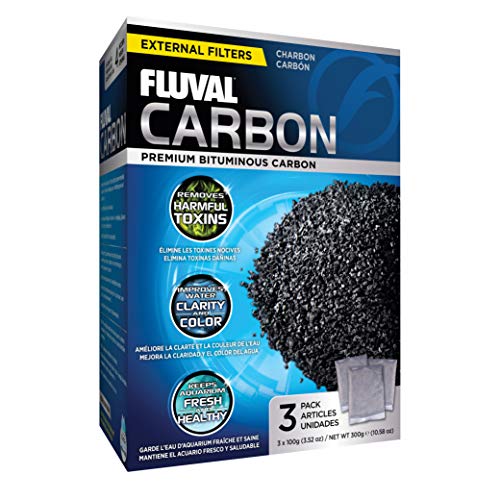
This premium carbon insert media delivers strong water clarification by presenting a large surface area for adsorption of impurities. It’s compatible with a range of Fluval filter models, enabling easy upgrades to established setups. In planted tanks, activated carbon media helps remove odors and discoloration that can accompany organic debris, ensuring that light penetrates effectively for photosynthesis. Note that carbon should be removed during plant nutrient dosing or certain medication treatments to avoid unintended nutrient loss.
- High surface area carbon: effective adsorption of impurities
- Water clarity and color improvement: maintains visually clean water
- Compatibility: compatible with Fluval 106/206/306/406 and similar models
In practice, carbon media is most beneficial after water changes, during tank refurbishment, or when curing water that has acquired odors. For planted tanks, plan to rotate carbon off in routine dosing periods to protect essential plant micronutrients. Pairing carbon media with biological and mechanical media in a layered filter configuration can provide comprehensive filtration without compromising plant health.
Bio Ceramic Brick Media

MAQIHAN bio ceramic brick media consists of porous ceramic blocks designed to maximize surface area and promote stable biological filtration. The well-ventilated internal structure allows smooth water flow and increases contact with beneficial bacteria, which helps in breaking down ammonia and nitrite—critical in planted tanks where rapid plant uptake can be offset by biological need for nitrification. These bricks are versatile as sump media or can be used with various canister filter configurations, and they pair well with ceramic rings or other bio media to build a robust biofilter bed.
- Porous ceramic design: enhances surface area for bacteria
- Stable biofiltration: supports long-term tank health
- Versatile use: suitable for canister, sump, and multi-filter setups
When using bio ceramic bricks, avoid overloading the filter with media beyond the filter’s designed capacity. Adequate water flow is essential to maintain oxygenation and prevent anaerobic pockets. In a planted tank, a healthy biofilter stabilizes ammonia and nitrite while plants absorb nitrates, contributing to a balanced ecosystem that supports both plant growth and aquatic life.
Buying Guide
Key Purchase Considerations
- Filter compatibility: Check your filter model and size to ensure the media fits without restricting flow. Some media are designed for specific brands or canister models, while others are universal cut-to-fit pads.
- Media type and purpose: Biological media supports beneficial bacteria; chemical media (like carbon) improves clarity and odor; mechanical media removes debris and polishes water. A planted tank often benefits from a layered approach that emphasizes biology and mechanical polishing without depleting nutrients prematurely.
- Porosity and contact time: Higher surface area and better water contact with bio media improve nitrification efficiency. Porous ceramic bricks and bio balls are common choices for maximizing bacteria colonization.
- Maintenance needs: Some media require rinsing to remove debris without destroying bacterial colonies. Others can be replaced more easily but may be less effective long-term if not maintained properly.
- Plant safety: Avoid media that excessively remove nutrients needed by fast-growing plants. In many setups, carbon is rotated out during nutrient dosing to preserve micronutrients for plants.
Media Types For Planted Tanks
Biological media like bio ceramic bricks and beads promote stable microbial communities essential for breaking down ammonia, nitrite, and nitrate. Mechanical media (filter pads) capture debris that would otherwise cloud the water and reduce light penetration to plants. Chemical media, notably activated carbon, can improve clarity and odors but should be used selectively to avoid nutrient loss critical for plant growth. A mixed approach—biological media in the bulk of the media chamber, with mechanical polishing pads and optional chemical media in removable canisters—offers a balanced filtration strategy for planted aquariums.
Maintenance And Longevity
Regular maintenance preserves efficacy: rinse mechanical media gently to remove trapped debris, replace media as recommended by the manufacturer, and monitor water parameters. For carbon-based media, cycle periods are common: use carbon for a few weeks after changes or after introducing livestock, then pause during nutrient dosing phases. A well-balanced filter media stack reduces algae risk and supports steady plant growth by keeping water chemistry stable and light transmission high.
Practical Comparisons
- Biological media (BioMax, MAQIHAN bricks): Best for long-term nitrification and stable water chemistry essential for plant health.
- Mechanical media (FilterFirst pad, similar pads): Improves water clarity and reduces visible debris, enabling better photosynthesis.
- Chemical media (carbon pads, Fluval carbon): Provides odor and discoloration control; use selectively to avoid removing beneficial plant nutrients.
Choosing the right combination depends on your tank size, plant load, stocking level, and maintenance schedule. In a planted aquarium, the goal is to maintain stable nutrients for plants while ensuring clear water and a healthy biofilm. The five media options reviewed here each contribute to that balance in distinct ways, and many hobbyists find success by layering media in a way that aligns with their filter design and plant goals.