Best Forage Hay for Horses: Top Picks and Buying Guide
Choosing the right forage hay for horses involves balancing digestibility, nutrient content, and dental considerations. This guide highlights five well-regarded options and a practical buying guide to help you compare fiber sources, starch levels, and overall suitability for different horses.
Summary of Selected Products
| Product | Brand | Type / Key Benefit |
|---|---|---|
| Standlee Certified Timothy Grass Compressed Hay Bale | Standlee | Moderate protein, senior-friendly, supports hind gut health |
| Triple Crown Safe Starch Fortified Forage (Orchard & Timothy) | Triple Crown | Low starch, grain-free, fortified with vitamins/minerals |
| Standlee Alfalfa Chopped Hay | Standlee | Easier chewing and digestion; Omega fatty acids |
| Triple Crown Grass Forage | Triple Crown | Timothy & orchard blend; soft texture |
| Standlee Organic Alfalfa Grab & Go Compressed Hay Bale | Standlee | Certified organic; low carb option; natural forage length |
The following sections describe each product in detail, with objective notes on their forage profile and suitability for various horse needs.
Standlee Certified Timothy Grass Compressed Hay Bale
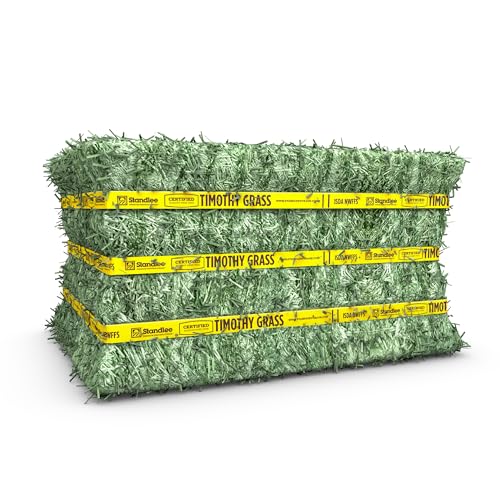
Timothy grass hay is favored for its moderate protein level and steady fiber content, which can be suitable for horses in light to moderate work or maintenance. This Standlee bale emphasizes senior-friendly nutrition and hind gut health, aiming to aid digestion and nutrient absorption. The compressed bale format helps with storage and portioning, while the blend of nutrients supports overall vitality in aging or smaller-bodied horses. Use as a primary forage source or mix with other forages to balance intake.
Triple Crown Safe Starch Fortified Forage

This forage mix emphasizes low starch and sugar, suitable for mature or sensitive-stomach horses needing a safer feed. It is grain-free and avoids molasses, creating a more gentle option for horses with dietary constraints. Fortification with vitamins and minerals supports daily health and vitality. It can be offered as a stand-alone forage or used to complement a grain-based diet while maintaining a balanced feed program.
Standlee Alfalfa Chopped Hay

Chopped alfalfa is easier to chew and digest for horses with dental issues, thanks to shorter stem length. This Standlee option is lightly sprayed with canola oil for added nutrition and reduced dust. The added oil can help minimize fines, while boosting Omega-3 and Omega-6 fatty acids for a healthier coat and overall condition. Suitable for senior horses, growing foals needing higher calcium, or horses that benefit from a richer forage profile.
Triple Crown Timothy Cubes Balancing Forage

This forage replacement blends timothy hay with beet pulp to provide high fiber and balanced nutrition. It is designed for mature and metabolic horses with specialized dietary needs and features low sugar content, which can be beneficial for horses with laminitis risk or insulin resistance. It’s a convenient option for individuals seeking a forage alternative that still delivers essential fiber and energy with reduced starch impact.
Triple Crown Grass Forage

This blend combines Timothy and orchard grass to provide a balanced forage for various horse types. The soft texture makes it easier to chew, supporting horses with dental concerns or underweight animals needing palatable, nutritious fiber. It also serves as a flexible base for mixing with grains to achieve a complete meal without relying solely on concentrates.
Standlee Organic Alfalfa Grab & Go Compressed Hay Bale

Certified organic alfalfa offers a low-carb option while delivering robust nutrient density. Its natural forage length mirrors grazing behavior, encouraging chewing, and supporting dental health. The organic certification aligns with holistic approaches to equine wellness, and the forage’s length helps reduce rapid intake, potentially aiding digestion and reducing boredom in stalled horses.
Buying Guide: Key Purchase Considerations
- Forage type and digestibility: Timothy hay is typically easier on teeth and suitable for many horses, while alfalfa provides higher calcium and overall protein. Blends can balance fiber and energy for mixed needs.
- Starch and sugar content: Low-starch, grain-free options reduce risks for insulin resistance and laminitis. Consider the horse’s current metabolic status when selecting a product.
- Dental safety and eating behavior: Chopped or shorter-stem hay is advantageous for horses with dental issues; longer forage encourages grazing-like chewing but may be harder for some horses to manage.
- Organic and natural options: Organic alfalfa or other certified organic forages may align with holistic health plans, though price and availability vary.
- Fortification and micronutrients: Some products include vitamins and minerals to support daily health; assess whether these fortifications meet your horse’s nutritional gaps.
- Feeding style and downtime: Slow-feed options, such as textured forage or nets, can reduce feeding anxiety and extend eating time, promoting steady digestion.
- Storage and storage conditions: Compressed bales save space but require proper moisture control to avoid spoilage; ensure you have a clean, dry storage environment.
- Palatability and allergies: If your horse has known sensitivities, prefer grain-free or low-sugar formulas and verify any ingredient risks (molasses, additives).
Across these options, readers should align forage choices with individual horse needs, considering age, dental status, metabolic health, and daily workload. The listed products provide a spectrum from high-fiber timothy and alfalfa varieties to low-starch formulations and organic options, enabling a more tailored feeding plan.