Best Gas Mask Options for Toddlers and Young Kids: Safe Respiratory Gear You Can Trust
Choosing a child-sized gas mask or protective respirator requires weighing safety standards, comfort, and practicality. This guide highlights five vetted options designed for children, from trusted brands like MIRA Safety and Flo Mask. Each product is evaluated for usability with toddlers and young kids, considering fit, weight, and filter compatibility to help families prepare for emergencies or sensitive environments.
| Product | Brand | Overview |
|---|---|---|
| MIRA Safety MD-1 Kids Mask (Medium) | MIRA Safety | Dedicated children’s reusable mask in a medium size for ages 2–6. |
| MIRA Safety MD-1 Kids Mask (Large) | MIRA Safety | Dedicated children’s reusable mask for ages 6–12; larger, lighter, comfortable. |
| MIRA Safety MD-2 CBRN Child Escape Respirator | MIRA Safety | Escape-ready, hooded respirator with positive pressure and hydration option. |
| Flo Mask Kids | Flo Mask | Reusable kids mask with USA-made filters; one-size-fits-all design tailored to children. |
| KYNG Gas Mask Face Mask (4-pack) | KYNG | Economical, multi-pack family option with 40mm filters; suitable for long-term storage. |
Below are five product sections detailing each option, followed by a practical buying guide to help you decide which fits your family’s needs.
MIRA Safety MD-1 Kids Mask (Medium)

The MD-1 family of child masks is described as the only dedicated reusable children’s mask on the market. The medium size targets children roughly 2 to 6 years old, featuring the same safety standards as adult models but with a lighter, more compact design. A detachable hose helps reduce weight for younger wearers and enhances comfort during longer use. This option emphasizes fit and reusability, making it suitable for households preparing for emergencies or hazardous environments where respiratory protection is needed.
MIRA Safety MD-1 Kids Mask (Large)
The large variant of the MD-1 for children extends the same protective framework to kids aged 6 to 12. It maintains a lighter weight and compact profile akin to the medium size, with a detachable hose for comfort. This option is geared toward growing children who require a more ample fit without adding significant bulk, ensuring reliable protection during extended wear or in environments with particulates and aerosols.
MIRA Safety MD-2 CBRN Child Escape Respirator

This child escape respirator expands on the standard mask concept with a hood that can be expanded over the child’s head, facilitating a secure seal and easier breathing through a positive-pressure system when activated. Hydration support is integrated for safe drinking in toxic environments. The MD-2 variant pairs with compatible 40 mm NATO filters and is designed for emergency scenarios requiring rapid deployment and reliable protection for young wearers, including infants and toddlers with appropriate fit considerations.
Flo Mask Kids
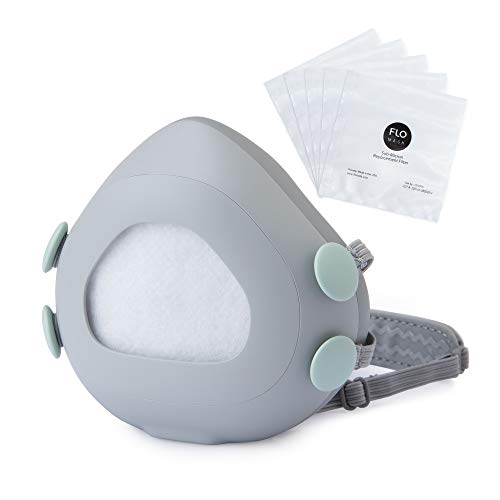
Flo Mask Kids emphasizes comfort and a tailored fit for younger users. Made in the USA, these masks include replacement filters and a design that reduces ticklish contact while promoting clear speech and comfortable wear. The one-size-fits-all concept is guided by 3D facial scans of elementary-age children, with a focus on minimizing pressure points around the lips and nostrils for ease of breathing and communication during use.
MIRA SAFETY M MD-1 Kids Gas Mask (Medium)

This MD-1 model reaffirms its status as a dedicated children’s mask, available in medium, designed to meet strict safety standards and offer a lighter construct with a detachable hose. Its accompanying NBC-77 SOF filter canister is compatible with other protective assemblies to deliver robust CBRN protection for evolving needs in hazardous environments. The product emphasizes testable performance alongside practical, long-term use with reliable filtration options.
MIRA Safety MD-1 Kids Gas Mask (Large) With NBC-77 SOF
The large MD-1 option mirrors the medium in design philosophy while accommodating older children or those requiring a bigger face seal. Its durable construction and compatibility with advanced CBRN filters position it as a practical, scalable option for families seeking multi-year usability and strong protection against a range of threats. Detachable hoses contribute to manageable weight and enhanced comfort for longer wear times.
Buying Guide
- Age and fit: Choose sizes that align with your child’s age and facial measurements. Some masks offer specific age ranges (e.g., 2–6 or 6–12 years) or adjustable features. A good fit reduces leakage and improves comfort.
- Protection level: For basic particulate protection, look for masks with high-efficiency filters (NIOSH-equivalent masks) and proper sealing. For higher-threat environments, consider CBRN-rated or PAPR-enabled options.
- Weight and comfort: Lighter masks with detachable hoses and comfortable head straps encourage consistent use. Consider padding around the cheeks and nose to reduce pressure points.
- Filter availability and lifespan: Check filter types, replacement frequency, and shelf life. Long-lasting filters are advantageous for preparedness planning.
- Ease of use: Simpler donning and doffing, plus hydration or breathability features, can help toddlers tolerate protective gear during emergencies or drills.
- Maintenance: Ensure masks are cleanable, with replaceable components like filters and hoses. Verify manufacturer guidance on cleaning and storage to extend usable life.
- Storage and portability: For families, compact, stowable masks in emergency kits or backpacks are beneficial. Consider multi-pack options for siblings and caregivers.
- Certification and safety standards: Prefer products backed by credible safety certifications and tested filters to ensure reliable performance under hazardous conditions.
- Communication and speech: Masks that minimize obstruction around the mouth help kids communicate more clearly, which is important in drills and real events.
When evaluating options, compare how the mask fits your child’s head shape, whether there is a secure seal without excessive force, and whether the protection level aligns with the anticipated use case—emergency drills, hazardous environments, or public safety scenarios. Always follow manufacturer instructions and consult healthcare or safety professionals if you have concerns about a child’s respiratory needs.