Best Grass Hay for Horses: Nutrient-Dense Picks for Digestive Health
Finding the right grass hay for horses involves balancing fiber, digestibility, and palatability. This guide highlights five prime options that meet common horse dietary needs, from high-altitude orchard and teff grass hays to versatile pasture seed mixes and efficient feeding accessories. Each product lowers the risk of digestive upset while supporting weight management, steady forage supply, and overall wellness. Review the brief product table below before diving into detailed sections to compare what each option brings to the stable.
| Product | Brand | Ideal For | Key Benefit |
|---|---|---|---|
| Blue Mountain Orchard Grass Hay Pellets | Blue Mountain Hay | Adult horses, digestive-sensitive horses | Easy digestion; balanced fiber and protein |
| Blue Mountain Teff Grass Hay | Blue Mountain Hay | Horses needing low NSC forage | Low sugar; high fiber; supports weight management |
| Outsidepride Pasture & Livestock Grass Seed Mix | Outsidepride | Pastures, hay production, rotational grazing | High yield; drought-tolerant; cold-hardy |
| Mountain View Horse Pasture Mix Seed | Mountain View Seed | Grazing and hay fields for horses | High forage yields; versatile for grazing and hay |
| Harrison Howard Slow Feed Hay Net | Harrison Howard | Horses needing controlled hay intake | Reduces waste; slows eating; durable |
Blue Mountain Orchard Grass Hay Pellets
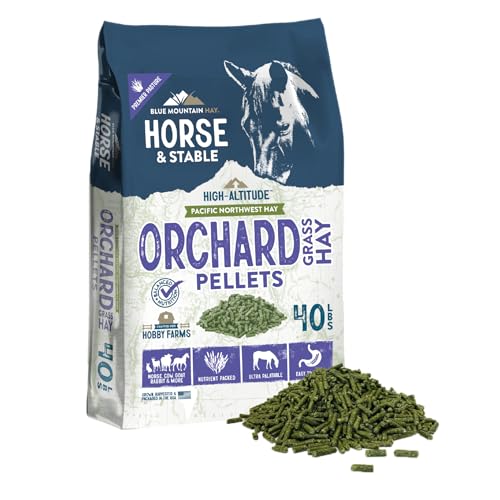
Blue Mountain High Altitude Horse Hay Pellets are crafted from orchard grass to provide a nutrient-dense forage option. Sourced from high-altitude Pacific Northwest regions, these pellets offer a moderate protein level and high fiber to support steady digestion and gut function. The pellet form can be easier for older horses that resist chewing, while still delivering a balanced mix of nutrients in every bite. This option suits horses with digestive sensitivities or those needing a consistent fiber source without the volume of loose hay.
Key benefits include easy digestion, consistent nutrient intake, and a palatable texture that maintains regular eating patterns. While designed as a versatile forage, this product pairs well with larger forage plans—especially in mixed diets that include hay cubes or loose hay. Always provide fresh water and monitor intake when introducing a new forage to avoid abrupt dietary shifts.
Blue Mountain Teff Grass Hay

Blue Mountain Teff Grass Hay is a high-altitude forage option that leans into fiber-rich content with a focus on gut health. Teff hay is known for its digestibility and steady energy release, making it suitable for horses with sensitive stomachs or metabolic concerns. This hay is designed to promote smooth digestion and reduce digestive upsets while supporting weight management due to its low non-structural carbohydrate (NSC) profile and high fiber content. It can be a practical staple for horses prone to digestive issues or those requiring careful energy balance.
Digestibility and fiber quality are central advantages here. Teff grass hay delivers a consistent forage source that supports gut function and satiety. For horses that require limited sugar intake, this option offers a reliable alternative to traditional alfalfa- or timothy-based forages. Transition slowly when introducing teff hay to avoid digestive upset, and combine with ample fresh water and routine dental checks.
Outsidepride Pasture & Livestock Grass Seed Mix
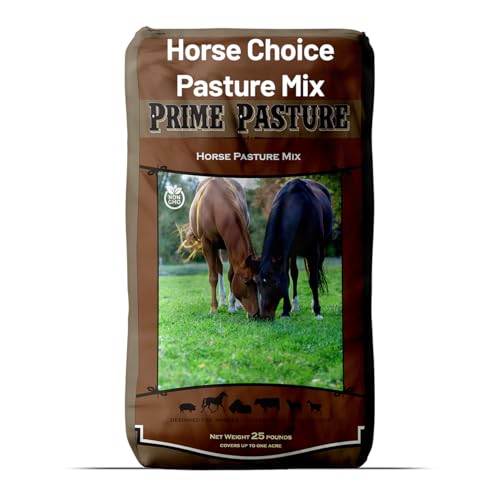
Outsidepride’s Horse Choice Pasture & Livestock Grass Seed Mix is a perennial, drought-tolerant blend designed to support grazing and hay production. Its composition—orchard grass, timothy, fescue, and Italian ryegrass—offers a balanced forage base ideal for horses, goats, and broader livestock systems. This mix is engineered for high yield and regrowth, helping maintain a steady forage supply across seasons. It is well-suited for pasture-based systems, cover cropping, or overseeding to restore struggling pastures, and it can serve as the foundation for a reliable hay source when combined with proper harvest timing.
For horse owners, this mix provides flexibility: you can harvest as hay or rely on fresh pasture, depending on climate and management goals. The blend’s resilience supports grazing across USDA Zones 3–10, offering a practical option for varied regional climates. Consider soil health, irrigation, and mowing schedules to maximize yield and nutritional value over time.
Mountain View Horse Pasture Mix Seed
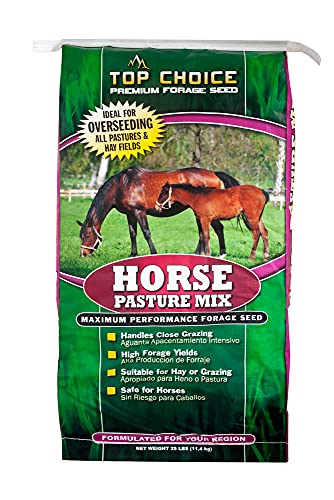
Mountain View Seeds 100371 Horse Pasture Mix is a versatile seed blend intended for overseeding pastures and hay fields. It is designed to withstand close grazing and deliver high forage yields, supporting a reliable forage base for horses and other grazing livestock. This mix is well-suited to converting underutilized land into productive pasture, enhancing overall forage availability for horses while reducing feed costs when utilized as part of a rotational grazing plan.
Key considerations include seed diversity for resilient pastures, soil preparation, and proper grazing management to maximize yield. While primarily a seed mix, it can be a critical part of a holistic approach to forage planning, particularly in regions with seasonal weather variability. Pair with appropriate fencing and water access to optimize pasture performance and horse health.
Harrison Howard Slow Feed Hay Net

The Harrison Howard Slow Feed Hay Net is a practical accessory designed to encourage slower eating and reduce hay waste. With 2″ x 2″ mesh openings, it provides a controlled pace that helps maintain digestion and oral health by extending forage time. The net is roomy enough to hold substantial hay while avoiding sudden bulk for anxious or easily restless horses. Built from durable nylon rope, it offers long-lasting wear even with vigorous use by growing horses or those with high hay intake demands.
In addition to waste reduction, slow-feed nets can contribute to better dental wear patterns and extended forage availability between feedings. Make sure to securely mount the net in a sturdy feeder or stall setup, regularly inspect for wear, and clean to prevent mold or contamination. Always balance net feeding with free-choice water and appropriate salt intake.
Buying Guide
Key purchase considerations
Loose hay, pellets, and seed mixes offer different digestion and intake profiles. Pellets (like orchard grass pellets) can ease chewing for older horses, while high-fiber loose hays support natural grazing behavior and dental health. Seed mixes are best if you manage pasture and hay production together. For horses with metabolic concerns or weight management goals, seek hays with high fiber and low NSC (non-structural carbohydrates). Teff grass hay often provides a favorable NSC profile, while orchard grass and timothy can offer reliable fiber without excessive sugar. Palatability influences intake consistency. Orchard grass and timothy-based products tend to be accepted well by many horses. For digestive sensitivity, prioritize fiber-rich options that promote gut function and reduce digestive upsets. Look for options with moderate protein and robust fiber. Balanced forage supports muscle maintenance and energy without overloading the horse with excess nitrogen or calories. Seed mixes support pasture health, which can complement hay-based feeding plans. A well-managed pasture reduces hay purchases and provides grazing opportunities, but requires rotation, fencing, and water access. Pellets and sealed bags may offer easier storage and controlled feeding. Seed mixes and loose hay require dry, ventilated storage to prevent mold and spoilage. Slow-feed nets can extend forage time and reduce waste, but require proper setup and inspection for wear. Combine slow feeding with regular dental checks and fresh water access. Choose hays and seeds suited to your climate and soil. Drought-tolerant mixes help in dry regions, while high-yield pastures support robust grazing in temperate zones.
Comparisons to help choose
| Aspect | Best For | Considerations |
|---|---|---|
| Teff Grass Hay | Digestive sensitivity and weight management | Low NSC; high fiber; ensure availability and freshness |
| Orchard Grass Pellets | Older horses or those needing easy chewing | Consistent nutrient delivery; check pellet freshness |
| Pasture Seed Mix | Grazing opportunities and hay production | Requires land and maintenance; rotation helps yield |
| Timothy Grass Options | General horse forage | Balanced fiber; widely accepted by many horses |
| Slow Feed Net | Reduce waste and extend forage time | Proper setup; monitor wear and mold prevention |
Choosing the right combination depends on your horse’s digestive health, activity level, and the resources available for pasture management. For many owners, a mixed strategy—teff grass hay for low NSC days, orchard grass pellets for predictable intake, plus a pasture seed mix for grazing—provides nutrition variety and resilience. Always introduce new forages gradually, provide clean drinking water, and consult a veterinarian or equine nutritionist if your horse has a history of metabolic issues or dental concerns. Regular dental care and body condition monitoring are essential components of a successful feeding plan.