Best Live Sand for Reef Tanks: Top Substrates for Healthy Marine Aquariums
Choosing the right live sand is essential for reef tanks. Substrate affects buffering, beneficial bacteria growth, and the overall aesthetics of the aquatic landscape. Aragonite-based sands help stabilize pH and calcium levels, which are important for corals and other reef inhabitants. The options below focus on live or seeded sands designed for marine systems, with a mix of pre-seeded and natural aragonite substrates to suit different maintenance routines.
To help you compare quickly, the table below highlights five top-performing live sands for reef setups, including size, type, and a snapshot of benefits.
| Product | Brand | Type / Size | Key Benefit |
|---|---|---|---|
| Nature’s Ocean Samoa Pink Reef Sand | Nature’s Ocean | 20 lbs Aragonite Live Sand | |
| Arag-Alive Special Grade Reef Sand | Carib Sea | 10 lbs Live Reef Sand | |
| Aragonite Reef Sand | Carib Sea | 40 lbs Aragonite Reef Sand | |
| Aqua Natural Oolitic Aragonite Sand | Aqua Natural | 20 lbs Oolitic Aragonite Sand | |
| Aqua Natural Galaxy Sand Bio-Substrate | Aqua Natural | 5 lbs Bio-Substrate with Start-Up Bacteria |
Nature’s Ocean Samoa Pink Reef Sand

Nature’s Ocean Samoa Pink Reef Sand is a marine-grade aragonite substrate designed to form a natural base for reef systems. The fine texture supports a visually appealing bottom and helps nourish beneficial microfauna. Marketed as bio-activated live aragonite, it aims to accelerate biological filtration and stabilize water balance in established or newly set up tanks. While primarily used in marine environments, it is compatible with mixed reef biotopes that require steady buffering and a stable calcium supply. Adequate water flow helps prevent detritus buildup, maximizing both aesthetics and health of reef inhabitants.
Arag-Alive Special Grade Reef Sand

Carib Sea Arag-Alive Special Grade Reef Sand is a live substrate that includes millions of beneficial marine bacteria to boost biological filtration. The product description notes use in marine tanks and even African cichlid setups, highlighting its versatility as a seed substrate. For reef aquariums, the live bacteria can help establish a robust microbial community, supporting ammonia and nitrite processing early on. The grain size is designed to minimize detritus buildup, while still offering a natural substrate for sand-dwelling organisms and corals. Regular maintenance remains important to sustain water quality in active reef systems.
Aragonite Reef Sand
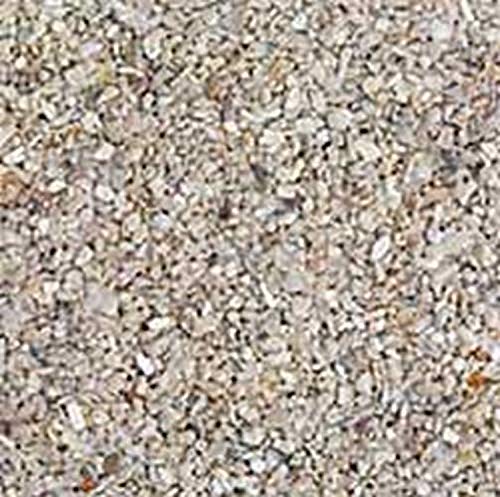
Carib Sea ACS00050 Aragonite Reef Sand provides 100% aragonite for reef environments and both marine and hard-water freshwater aquariums. Its composition supports stable pH and calcium balance, which are critical for coral health and skeletal growth. The grain size is formulated to reduce detritus accumulation, helping to keep the sandy bottom cleaner between water changes. This substrate is a reliable option for hobbyists seeking a straightforward aragonite base that aligns with common reef tank parameters without seeding bacteria.
Aqua Natural Oolitic Aragonite Sand
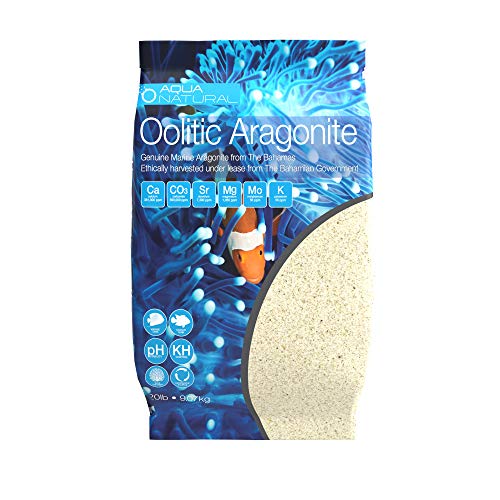
Aqua Natural Oolitic Aragonite Sand offers high buffering capacity and stability, with pH typically stabilized around 8.2. It is composed of 98% pure calcium carbonate and designed to minimize impurities, supporting a healthy mineral balance in reef systems. The oolitic aragonite texture promotes good water movement and a natural appearance, which helps with coral placement and overall aesthetics. This substrate is sourced from renewable materials, appealing to aquarists seeking sustainable reef substrates with strong chemical buffering.
Aqua Natural Galaxy Sand Bio-Substrate

Aqua Natural Galaxy Sand Bio-Substrate is seeded with bio-active nitrifying bacteria, designed to cycle a new aquarium quickly. This substrate supports rapid establishment of a stable microbial community, aiding in ammonia conversion and nitrogen cycling. The five-pound bag is suitable for smaller or mid-sized tanks where a seeded substrate can jump-start the biofilter. For reef tanks, this option can work well when paired with a compatible protein skimmer and regular maintenance to avoid nutrient buildup.
Buying Guide
Key purchase considerations help ensure you select a substrate that matches reef tank goals and maintenance preferences. Here are the main factors to weigh when choosing live sand for a reef setup:
- Substrate composition and buffering: Aragonite-based sands provide natural buffering to stabilize pH and calcium. Oolitic aragonite offers similar benefits with a distinct particle texture. Consider your tank’s current alkalinity and calcium requirements when choosing between aragonite varieties.
- Grain size and texture: Fine sands create a smooth look and may support certain microfauna, while coarser grains reduce detritus trapping but can appear less natural to some reef biotopes. For coral placement, ensure adequate flow to keep debris from accumulating in the substrate.
- Biological seeding: Some sands are pre-seeded with nitrifying bacteria or contain live bacteria to accelerate cycling. If your goal is a faster setup, seeded substrates can shorten the time to a stable biofilter; if you prefer a lower bacterial load, non-seeded options may be suitable.
- Compatibility with reef chemistry: Reef tanks typically require stable pH and buffering at higher alkalinity. Choose sands known for calcium carbonate content to support calcification of corals and calcareous invertebrates.
- Maintenance and cleanliness: Pre-washed sands can reduce initial cloudiness. Consider whether you want to rinse sand yourself or rely on pre-cleaned options to save time and minimize initial maintenance.
- Tank age and bioload: For new setups, seeded sands can help establish the cycle quickly, while established tanks with stable parameters may benefit from a non-seeded substrate to avoid sudden shifts in microbial populations.
- Source sustainability: Sands from renewable or responsibly sourced deposits may appeal to hobbyists concerned with environmental impact and long-term availability.
- Compatibility with filtration: Substrate choice should align with your filtration strategy (protein skimmer, refugium, and flow rate) to prevent detritus buildup and support coral health.
Across reef tank goals, choosing the right live sand involves balancing buffering capacity, grain texture, seeding level, and maintenance preferences. The products listed here offer a range of aragonite-based options, from naturally sourced sands that support water chemistry to seeded substrates designed to speed up tank cycling. When evaluating, consider your target alkalinity, desired reef bioload, and maintenance cadence to identify the best fit for your system.