Best Low NSC Horse Feeds for Calmer, Healthier Horses
Choosing a low NSC (non-structural carbohydrate) feed can help horses with metabolic concerns, insulin sensitivity, or digestive sensitivity maintain balanced energy and steady performance. This guide reviews five carefully chosen options that emphasize low NSC, high fiber, and nutrient-rich formulas suitable for American horses and ponies. Each product is a practical choice for homeowners, farms, or stables that prioritize steady energy without spikes in blood sugar.
Summary snapshot of selected products:
| Product | Brand | Low NSC Focus | Notes |
|---|---|---|---|
| Hygain Zero Ultra-Low NSC Horse Feed | Hygain | Ultra-Low NSC, high soluble fiber | Cereal grain free; fortified with vitamins |
| Purina Mini Horse & Pony Feed | Purina | Controlled sugar and starch | Beet pulp included; designed for small breeds |
| TRIBUTE Synergize Low NSC Pelleted Feed | TRIBUTE | Low NSC with high fat | Seaweed calcium; Equi-Ferm XL pre-/probiotics |
| TRIBUTE Seniority Low NSC Pellet | TRIBUTE | Ultra-Low NSC; no corn/oats/molasses | Soft pellet; soakable for dental needs |
| TRIBUTE Kalmbach Kalm Ez Pellets | TRIBUTE | Low NSC; no corn; no molasses | Higher fat; highly digestible fiber |
Hygain Zero Ultra-Low NSC Horse Feed

Hygain Zero is designed to minimize non-structural carbohydrates while preserving energy and overall nutrition. The product highlights an ultra-low NSC profile, with a focus on high fiber to support digestive health and steady energy release. The less-than-6.5% NSC and low starch content help manage blood sugar and reduce sugar-induced spikes, making it a practical option for horses with metabolic concerns or insulin sensitivity. The cereal-grain-free formula also contributes to a calmer feeding experience by limiting simple carbohydrate sources.
Fortified with essential vitamins and minerals, Hygain Zero emphasizes Biotin enrichment and natural Vitamin E to support hoof and coat health. The formulation prioritizes fiber-rich intake to promote gut comfort and a balanced digestive process. While it offers energy through fat and fiber rather than starch, a careful transition plan and proper hydration are advised when incorporating it into existing diets. This feed pairs well with high-quality hay, allowing owners to tailor portions to each horse’s needs without compromising metabolism.
Purina Mini Horse & Pony Feed
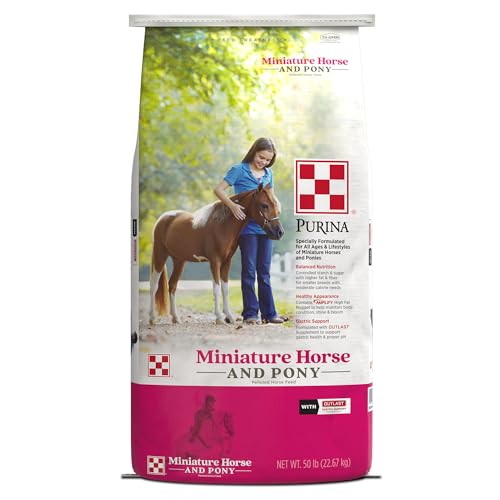
Purina Mini Horse & Pony Feed is crafted to support small breeds and ponies across ages and lifestyles. The formulation includes Beet Pulp as a reliable source of fermentable fiber for slow-release energy, which can help maintain consistent daily energy without rapid spikes. The concentrate is designed to be fed with hay or pasture, making it a versatile option for balanced diets that emphasize controlled sugar and starch levels.
As a concentrate intended to complement forage, this feed enables portioning to match body condition and activity level. Beet pulp contributes to digestibility and satiety, which helps manage weight in miniature or easy-keeper horses. Because this product is built as a complete concentrate, transitioning should be gradual to ensure gastrointestinal stability, especially during seasonal changes or shifts in activity. Always align feeding with veterinarian guidance for age, condition, and workload.
TRIBUTE Synergize Low NSC Pelleted Feed

TRIBUTE Synergize is a low NSC, high-fat pelleted feed designed to deliver long-lasting, cool energy for hard-keeping and hardworking horses. The high-fat component provides sustained energy without the sugar surges associated with higher-starch feeds, making it suitable for performance horses and those with metabolic concerns. The low NSC profile helps maintain stable blood glucose, supporting steady temperament and energy levels during demanding work or competition.
In addition to energy management, Synergize includes seaweed-derived calcium and Equi-Ferm XL pre- and probiotics to support the digestive tract comprehensively. This holistic approach can aid feed processing and nutrient absorption while supporting gut health. Pelleted form can be advantageous for horses with dental issues or those who prefer a consistent texture. Transitioning should be gradual, monitoring appetite, energy, and stool quality to confirm compatibility with the horse’s specific needs.
TRIBUTE Seniority Low NSC Pellet

TRIBUTE Seniority Low NSC Pellet targets senior horses and others with NSC sensitivity. The formulation emphasizes ultra-low sugar and starch, with a deliberate avoidance of corn, oats, and molasses to keep NSC levels low in the diet. The soft pellet can be soaked to accommodate horses with worn or missing teeth, supporting comfortable chewing and easier digestion for aging animals or those with dental challenges.
Seniority focuses on a balanced nutrient profile to maintain body condition and coat quality without overloading the digestive system. The combination of low NSC and a soakable texture can aid owners seeking a reliable, gentle feed option for older horses or those prone to metabolic fluctuations. As with any diet change, a gradual transition and close observation of energy, fecal consistency, and appetite are recommended.
TRIBUTE Kalmbach Kalm Ez Pellets

TRIBUTE Kalmbach Feeds Kalm Ez Pellets are designed as a low-NSC option with no corn and no molasses, helping maintain low sugar and starch levels in a horse’s diet. The pellet form supports easy feeding and consistent intake, while the higher fat content provides an energy boost that remains calm and steady. The digestible fiber is complemented by an optimal balance of essential amino acids, supporting muscle maintenance and overall condition.
Additionally, Kalm Ez Pellets incorporate organic minerals and fatty acids to support coat health, hoof integrity, and general well-being. This makes it a practical choice for horses needing energy without the risk of glucose spikes, as well as those requiring a simple, approachable feeding routine. When adopting Kalmbach Kalm Ez, plan a gradual transition and monitor body condition and performance to ensure it aligns with the horse’s dietary goals.
Buying Guide
Key factors to consider when choosing a low NSC feed include your horse’s metabolic status, age, dental health, and daily workload. A low NSC diet helps minimize blood sugar fluctuations, supporting insulin sensitivity and overall comfort during daily activities. Fat content can provide long-lasting energy without quick spikes, but it should be balanced with fiber and a moderate starch level to protect digestion.
- NSC and starch levels: Look for feeds that emphasize low NSC, with limited starch and simple sugars. The lower these values, the less likely a horse is to experience sudden energy swings or metabolic distress.
- Fiber and digestion: Higher fiber supports gut health and satiety. Formulas rich in fermentable fiber, like beet pulp or fibrous timothy hay derivatives, can improve digestion and stable energy release.
- Fat source and energy: High-fat feeds deliver sustained energy. Confirm that fat types are high-quality and paired with digestible fibers to avoid discomfort.
- Dental and age considerations: Soakable pellets or softer textures assist horses with worn teeth or aging jaws. Transition gradually if switching from a different diet to prevent digestive upset.
- Form and practicality: Pellets, crumbs, and complete feeds each have unique handling challenges. Pellets offer consistent intake, while complete feeds deliver balanced nutrition with less measuring required.
- Forage integration: Most low NSC feeds are designed to work alongside forage. Plan portions relative to hay intake to avoid overfeeding and to maintain condition.
- Monitoring and vet guidance: Regular body-condition scoring and watching for changes in stool, coat, and energy help determine whether a product matches your horse’s needs.
When comparing products, consider their primary NSC focus, fat content, and digestibility alongside dental and lifestyle needs. For hard-keepers, a higher-fat, low-NSC option can sustain performance without sugar spikes. For seniors or horses with dental limitations, soft pellets or soakable formats may improve intake and digestion. Always introduce new feeds gradually, and maintain fresh water and consistent feeding schedules to support digestion and metabolic stability.