Best Low-Protein Dog Foods for Kidney Disease
Kidney disease in dogs requires dietary management that balances protein, phosphorus, and energy. Low-protein formulas with controlled phosphorus and sodium can help support kidney function while keeping meals palatable. This guide highlights five veterinarian-recommended options—ranging from wet to dry formats—that are designed for renal support. Each product is evaluated on protein levels, phosphorus balance, palatability, and overall suitability for adult dogs with kidney concerns. The selections below cover both wet and dry formats to fit different feeding preferences and medical needs.
| Product | Type | Brand | Key Benefit |
|---|---|---|---|
| Forza10 Kidney Care Wet Food | Wet | Forza10 | Low protein & phosphorus formula with lamb; supports renal and cardiac care |
| SquarePet VFS Low Phosphorus Dry Formula | Dry | SquarePet | Targeted protein, phosphorus & sodium; Taurine & L-Carnitine for heart health |
| Blue Buffalo Natural Veterinary Diet KS Kidney Support Dry | Dry | Blue Buffalo | Kidney-care dry with controlled protein and phosphorus; real meat first ingredient |
| Forza10 Kidney Care Dry | Dry | Forza10 | Low protein & phosphorus dry kidney support; hydrolyzed protein with omega-3 |
| Hill’s Prescription Diet k/d Kidney Care Dry | Dry | Hill’s Prescription Diet | Veterinary diet with ActivBiome+ Kidney Defense for kidney support |
Forza10 Kidney Care Wet Food

This kidney-care wet formula targets renal and cardiac concerns, including chronic or acute renal failure and congestive heart failure. It is designed for dogs needing a diet lower in protein, phosphorus, and sodium. The recipe uses pasture-raised New Zealand lamb and blends natural therapeutic plants and fruits to address digestion and sensitivities. The product is corn-free, wheat-free, and soy-free, with no by-products, GMOs, artificial preservatives, colors, or flavors. It may also be considered a urinary dog food option for some pets.
Vet-formulated and made in Italy, this moist diet aims to maximize palatability while maintaining renal support. Its wet format helps with hydration, which can be beneficial for dogs with kidney concerns. While suitable for many kidney-related diets, always transition slowly from previous foods and monitor appetite and stool consistency during the switch.
SquarePet Low Phosphorus Dry Formula

Designed for dogs with special needs, this SquarePet dry formula features targeted amounts of protein, phosphorus, and sodium to support kidney health. It includes essential amino acids such as Taurine for heart support and L-Carnitine to help metabolize fatty acids for energy. The recipe emphasizes high-quality USA-raised cage-free turkey and whole eggs to build muscle and overall vitality. Antioxidants, including vitamins E and C, are added to bolster the immune system while kidneys are supported by a protein and phosphorus-conscious profile.
With a focus on heart and overall metabolic health, this formula balances flavor with kidney-friendly nutrition. It is free from unnecessary fillers and aims to provide stable energy without overburdening the kidneys. When introducing a new dry diet, ensure a gradual transition and assess water intake and stool patterns to adjust portions as needed.
Blue Buffalo KS Kidney Support Dry

Blue Buffalo Natural Veterinary Diet KS Kidney Support Dry features real meat as the first ingredient and is veterinary-prescribed for dogs with special dietary needs. The kidney-care formula emphasizes controlled levels of protein, phosphorus, and sodium to support kidney function while maintaining palatability. This dry option provides convenient daily portions and is designed to align with standard canine feeding routines while supporting renal health.
As with any prescription or veterinary diet, proper diagnosis and veterinarian guidance are essential. Gradual transitions from current meals help minimize digestive upset. Consider the dog’s preferences, chewing habits, and overall weight management goals when selecting this option, and follow up with your veterinarian to monitor kidney-related biomarkers over time.
Forza10 Kidney Care Dry Kidney Support
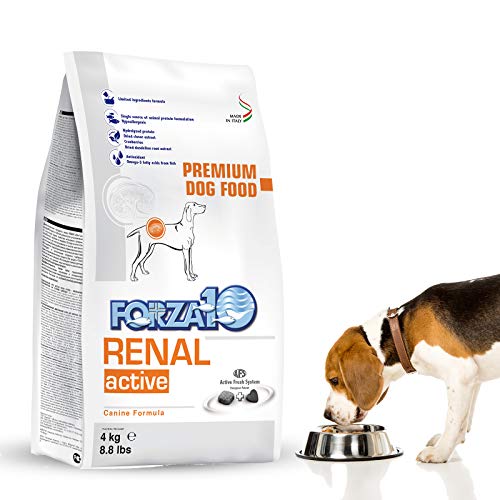
This gluten-free dry food supports kidney health with low protein and low phosphorus, making it suitable for renal concerns. It uses hydrolyzed protein from Icelandic anchovy and is enriched with natural plants and fruits that support overall wellness. The formula includes omega-3 fatty acids to aid kidney function and heart health. It is free from corn, wheat, and soy and contains no GMOs, artificial preservatives, colors, or flavors, aligning with a kidney-focused diet strategy.
The dry format offers a convenient feeding option for households preferring pantry-friendly meals. As with other renal diets, gradual transition is recommended, and owners should monitor appetite, stool consistency, and weight to ensure the diet remains appropriate for the dog’s stage of kidney disease and overall health status.
Hill’s k/d Kidney Care Dry

Hill’s Prescription Diet k/d Kidney Care Dry is a veterinary diet specifically formulated to protect kidney function. It features ActivBiome+ Kidney Defense, a proprietary blend designed to support gut microbiome health as part of kidney protection. The product provides a controlled level of protein and phosphorus to reduce kidney workload while maintaining energy and nutrient balance. This dry formula is designed for ongoing veterinary use under supervision and may be recommended for dogs at various stages of kidney disease.
When using veterinary diets such as Hill’s k/d, collaboration with a veterinarian is essential to tailor portions, monitor kidney function through bloodwork, and adjust the plan as kidney disease progresses. Palatability and transition pace should be observed, as appetite can vary among dogs with renal issues.
Buying Guide
Choosing the right kidney-support diet involves balancing nutritional needs with taste, practicality, and veterinary guidance. Consider the following factors to help select the best option for a dog with kidney disease.
- Form and palatability: Wet foods tend to be more palatable and help with hydration, while dry kibble is convenient and shelf-stable. Some dogs prefer one format over the other, so having both types available can improve adherence.
- Protein and phosphorus balance: Look for explicit statements about reduced protein and phosphorus content. Kidney-friendly diets aim to minimize protein breakdown products and phosphorus load while preserving energy and muscle mass.
- Sodium content: Lower sodium levels can support blood pressure and kidney health. Compare labels to choose a formulation that aligns with veterinary advice.
- Ingredients and sourcing: Many renal diets avoid corn, wheat, soy, and artificial additives. Consider real protein sources and omega-3 fatty acids for anti-inflammatory support.
- Hydration and digestibility: Wet foods can aid hydration, whereas dry foods rely on water intake. Hydrolyzed or specially processed proteins may improve digestibility for some dogs.
- Vet guidance and prescriptions: Veterinary dietary products like Hill’s k/d and Purina NF or Blue Buffalo KS require a veterinarian’s diagnosis or prescription. OTC options may be suitable for some cases, but professional oversight is recommended for kidney disease.
- Transition strategy: Introduce new foods gradually over 7–14 days to minimize digestive upset. Monitor appetite, energy, weight, stool quality, and water intake during the transition.
- Cost and availability: Prescription and veterinary diets may be more expensive and require ongoing vet oversight. Check local retailers and online options for consistent supply and return policies when possible.
- Monitoring and re-evaluation: Regular blood work and veterinary check-ins help assess kidney function and adjust the diet as the disease evolves. Dietary changes may be needed over time.
In summary, the best option depends on the dog’s stage of kidney disease, palatability, and how well the dog tolerates a particular formula. A combination approach—cycling between a wet kidney-friendly option and a dry, low-protein diet—can help maintain variety and adherence, provided it is coordinated with a veterinarian. Always prioritize evidence-based veterinary guidance when selecting and adjusting a renal-support diet.