Best Mineral Block for Goats: Practical Guide to Choosing the Right Block
Goat keepers rely on mineral blocks to support health, reproduction, and forage balance. The right block delivers essential minerals, trace elements, and electrolytes to meet goats’ needs across ages and climates. This guide highlights five well-regarded options available on Amazon and explains how to choose the best fit for your herd.
This overview focuses on block-form and rope-style mineral products, clarifying differences in fortification, palatability, and practicality for American farms. Consider life stage, herd size, and local forage quality when comparing options. The goal is to help you select a safe, appealing, and cost-effective supplement that supports steady growth and well-being.
| Product | Brand | Type / Size | Notes |
|---|---|---|---|
| Kalmbach Goat Mineral Block Supplement | Kalmbach Feeds | Block, 25 lb | Fortified with Opti-Ferm XL; copper included; for goats; sheep caution noted |
| Purina Goat Mineral Supplement Block | Purina | Block, 33 lb | Highly palatable; fortification designed to offset forages deficiencies |
| Redmond Goat Mineral Rock On A Rope | REDMOND | Rope-mounted rock, 3-5 lb | Delicious sea minerals; high salt-to-mineral ratio; filler-free |
| UMAID Himalayan Salt Lick On Rope | UMAID | Salt lick on rope, 6 lb (2-pack) | 84 trace minerals; natural Himalayan salt; no preservatives |
| MUYG Himalayan Salt Lick On Rope | MUYG | Salt lick on rope, 2.4-3.3 lb | 84 minerals; adjustable rope; long-lasting |
Kalmbach Goat Mineral Block Supplement

Kalmbach Feeds’ Goat Mineral Block Supplement is a 25 lb block designed to support digestive efficiency and nutrient availability with Opti-Ferm XL. It is fortified with organic trace minerals and vitamins, and contains copper to support growth and reproduction. A notable caution is the inclusion of copper, which requires careful management around sheep to prevent copper toxicity. The product is suitable for all goat classes and can be used year-round as a free-choice supplement. The formulation emphasizes digestibility and mineral balance in forage-based diets.
- Opti-Ferm XL added to support digestibility and nutrient availability.
- Fortified with organic trace minerals and vitamins.
- Contains added copper. Do not feed to sheep.
For herd managers in the United States, this block provides a reliable mineral source with a focus on bioavailability, especially where forage quality fluctuates seasonally. Monitor intake to avoid overconsumption, and ensure water is readily available for goats consuming the mineral blend.
Purina Goat Mineral Supplement Block

The Purina Goat Mineral Block is a 33 lb block intended to provide a durable, palatable source of essential minerals for all goat types and life stages. The block form makes it easy to place in pastures or feeding areas, ensuring goats can access minerals without supervision. Purina emphasizes fortification to compensate for common forage deficiencies and promote steady intake, contributing to healthier growth, reproduction, and general vigor.
- Block form for easy pasturing and feeding.
- Excellent fortification to offset forage deficiencies.
- Highly palatable to promote consistent consumption.
When selecting this option, consider your herd size and how many goats share a single feeder. Ensure placement in a sheltered area to minimize weather-related spoilage and encourage steady daily intake during all seasons.
Redmond Goat Mineral Rock On A Rope

Redmond’s Goat Mineral Rock on a Rope provides a natural, filler-free mineral source with over 60 trace minerals. The rope design allows goats to tug and lick, promoting long-term consumption while offering a high salt-to-mineral ratio that often appeals to livestock. The product is presented as a tasty and instinctively appealing option for goats that may resist more processed mineral mixes.
- Delicious sea minerals; filler-free.
- Preferred by livestock due to higher salt-to-mineral ratio.
- Rock-on-a-rope format supports ongoing licking behavior.
Be mindful of weather exposure; provide a shaded area to prevent salt abrasion and to extend rope longevity. Observing goats’ intake will help determine if additional mineral types are needed for balance.
UMAID Himalayan Salt Lick On Rope
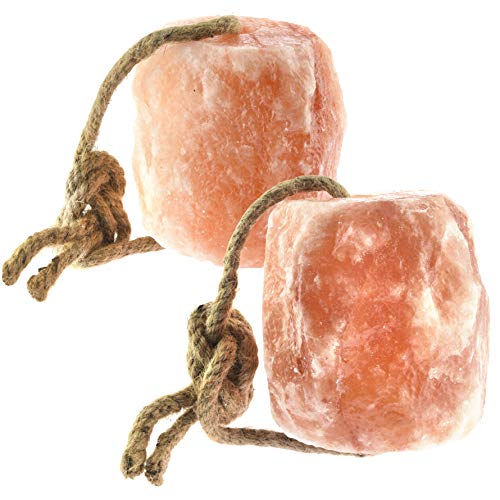
UMAID’s Himalayan Salt Lick On Rope offers a premium natural salt block featuring 84 trace minerals sourced from Himalayan salt. Sold as a 6 lb unit and packaged as a two-pack, it provides a steady supply of essential minerals with no preservatives or additives. This option appeals to goats that prefer a natural salt source and can support electrolyte replenishment during hot weather or intense lactation periods.
- Premium natural Himalayan salt lick with 84 trace minerals.
- 100% natural; no preservatives or additives.
- Two-pack rope design for durable, ongoing licking.
Consider placing near water sources or feeding areas to encourage regular licking. Monitor mineral intake to balance with other supplemental minerals in your herd’s diet, especially if other fortified feeds are used concurrently.
MUYG Himalayan Salt Lick On Rope

MUYG’s Himalayan Salt Lick On Rope is a natural mineral block designed for long-lasting use across multiple livestock types, including goats. The product highlights 84 minerals and uses a robust rope that can be adjusted for different sizes of goats. With a composition centered on sodium chloride and trace minerals, it supports hydration, digestion, and electrolyte balance, particularly in warm climates.
- Rich mineral element profile with up to 84 minerals.
- Adjustable rope for appropriate height and access.
- Long-lasting licking experience without additives.
As with other salt licks, provide constant access to fresh water and shelter from rain to maintain rope integrity and mineral quality. Use alongside other mineral supplements to avoid imbalanced intake for goats with diverse needs.
Buying Guide
Key purchase considerations help ensure you choose a mineral block that matches your herd’s needs and your farm’s conditions.
- Mineral balance versus forage quality: Forages often lack certain minerals. Look for blocks that supplement calcium, phosphorus, copper (where appropriate), zinc, and trace minerals to prevent deficiencies common in pasture systems.
- Block form versus rope/lick format: Blocks are durable and suitable for large herds; rope licks encourage ongoing licking and can last longer in pastured setups. Consider your layout, weather, and access needs when choosing between formats.
- Palatability and intake: Goats vary in taste preference. Highly palatable options promote consistent intake, reducing the risk of under-supplementation. If intake is low, try a different flavor or texture, or rotate products seasonally.
- Copper considerations: Some blocks include copper, which benefits goats but can be hazardous to sheep. If you have mixed species, choose formulations labeled safe for multi-species housing or separate feeding areas for sheep.
- Storage and weather tolerance: Outdoor exposure can degrade minerals or encourage spoilage. Select weather-resistant blocks or place feeders in sheltered spots to maintain product integrity.
- Life stage and health conditions: Lactating does, kids, and senior goats have different mineral needs. Pair mineral blocks with a balanced diet and vet guidance for specialized needs, such as urinary calculi prevention in buck kids.
- Feeding strategy and monitoring: Free-choice access works well, but monitor consumption to avoid waste and ensure adequate intake. Keep fresh water nearby and adjust blocks seasonally based on forage changes and climate.
- Quality and safety: Choose reputable brands with clear ingredient lists. Avoid products containing artificial additives if your herd shows sensitivity or if you prefer natural formulations.
In summary, the best mineral block for your goats depends on your herd size, pasture quality, climate, and management goals. By weighing form, fortification, and palatability—and by watching intake and animal response—you can select a product that supports growth, reproduction, and overall health across your American operation.