Best Organic Feed for Chickens: Healthier Hens, Happier Eggs
Choosing the right organic feed for laying hens can influence egg quality, flock health, and overall sustainability. This guide highlights five well-regarded organic options, explains what makes each unique, and offers practical buying tips for backyard flocks and small farms. All selections prioritize organic certification, non-GMO ingredients, and feeds designed to support egg production with appropriate protein and mineral levels. Use the quick summary table to compare key traits at a glance, then dive into detailed product notes and a buyer’s guide to help you choose the best fit for your birds.
| Product | Brand | Protein | Organic | Notes |
|---|---|---|---|---|
| Purina Organic Layer Crumbles | Purina | 16% | Yes | Calcium-focused, Oyster Strong System |
| Scratch and Peck Layer Mash | Scratch and Peck Feeds | 16% | Yes | Corn-free, soy-free; fermentable |
| Mile Four Layer Whole Grain | Mile Four | 16% | Yes | USA grown; corn-free, soy-free |
| Scratch and Peck Layer Crumbles | Scratch and Peck Feeds | 16% | Yes | Corn-free, soy-free; Non-GMO Project Verified |
| Scratch and Peck Layer Pellets | Scratch and Peck Feeds | 16% | Yes | Pellet form; corn-free, soy-free |
Purina Organic Layer Crumbles – 35 Lb

Purina Nutritionally Complete Non-GMO Organic Layer Hen Feed Crumbles is a USDA Organic certified formula designed for laying hens. It fulfills organic standards by avoiding pesticides, synthetic fertilizers, and GMOs. The product features the Oyster Strong System, a large-particle calcium source that releases steadily to support shell formation throughout egg development. With 16% crude protein and 3.25% calcium, it supports hen health and steady egg production. This combination makes it a convenient, complete diet for many backyard flocks seeking consistent performance while keeping organic integrity intact.
The 35-pound bag provides economical coverage for ongoing feeding needs. As a complete organic ration, it can serve as the main feed for layers, with oyster shell or additional calcium offered as needed for shell quality. Storage should be in a cool, dry place to maintain freshness and minimize spoilage. The blend emphasizes balanced nutrition in a familiar crumble texture that molts easily to be picked up by birds of varying beak sizes, making it a practical choice for many households.
Scratch and Peck Layer Mash – 40 Lb

Scratch and Peck Feeds Whole Grain Layer Mash Chicken and Duck Feed is corn-free and soy-free, offering 16% protein. It carries USDA Organic and Non-GMO Project certifications, ensuring a clean ingredient profile. The mash form is fermentable, which can support gut health and digestion in laying birds and ducks while avoiding common allergens and additives. This approach aligns with producers seeking a simpler, more natural feeding solution with fewer processing steps and a focus on premium organic grains.
The mash is designed to promote healthy growth and robust egg production without fillers or medications. Premium ingredients aim to nourish both laying hens and ducks, and the fermentable nature may enhance feed efficiency for birds with varying digestive needs. Because it is corn-free and soy-free, it can be a good option for flocks sensitive to common allergen sources, while its organic status helps maintain production standards in backyard or small-farm settings.
Mile Four Layer Whole Grain – 23 Lb

Mile Four Organic Chicken Feed – Layer Whole Grain offers 16% protein and is manufactured with 100% USA Grown, organic and non-GMO grains. The feed is corn-free and soy-free, non-medicated, and milled on local U.S.A. family farms. This combination supports steady egg production with a focus on high-quality, domestically sourced ingredients. The packaging supports smaller to mid-sized flocks, and the feed’s formulation emphasizes strong eggshells and vibrant yolks as part of overall flock vitality.
Producers report that organic eggs can have deeper yolks and consistent production when using a high-quality, non-medicated grain blend. Mile Four emphasizes the benefits of using locally sourced grains and careful milling to preserve nutritional integrity. For owners prioritizing American-grown inputs and a straightforward layer diet, this option aligns with both health and taste expectations in eggs while maintaining organic standards.
Scratch and Peck Layer Crumbles – 25 Lb
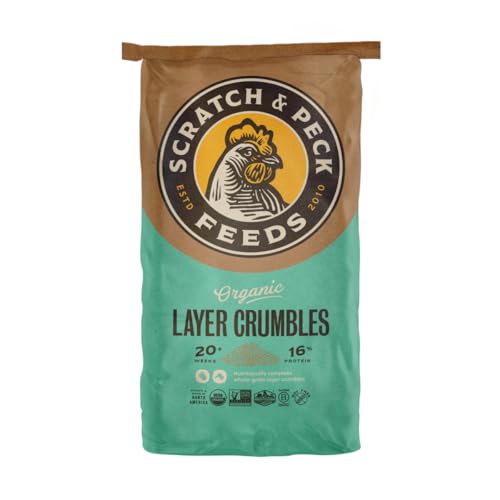
Scratch and Peck Feeds Whole Grain Layer Crumbles Chicken and Duck Feed provides 16% protein in a corn-free, soy-free formulation. It is certified organic and Non-GMO Project Verified, ensuring high-quality inputs without synthetic additives. Egg production is supported by a nutrient-dense crumble that chickens readily pick up, making it suitable for mixed flocks that include ducks. The product emphasizes pure, organic nutrition and avoidance of unnecessary fillers, medications, or artificial enhancers.
The crumbles are designed to maximize intake across beak sizes, catering to both smaller and larger birds within a flock. Premium organic grains support overall health and steady production, while the lack of corn and soy aligns with flocks sensitive to common allergen sources. This option pairs well with free-choice grit and oyster shell to further support calcium needs for eggshell quality.
Scratch and Peck Layer Pellets – 25 Lb
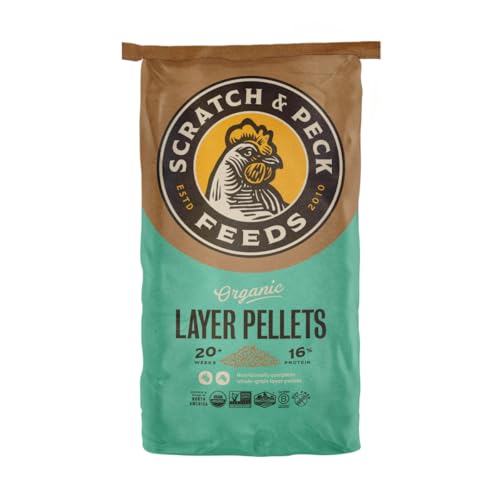
Scratch and Peck Feeds Whole Grain Layer Pellets Chicken and Duck Feed delivers a 16% protein pellet formulated for laying birds. It’s corn-free and soy-free, with USDA Organic and Non-GMO Project Verified certifications. The pellet form provides a consistent, compact feed that reduces selective feeding and waste while supporting steady egg production and flock health. The feed emphasizes natural nutrition from cracked grains and whole foods, avoiding soy and fillers to maintain a clean, minimalist ingredient profile for conscientious flocks.
The product highlights include nourishment that supports vigor and egg quality, with a focus on organic, non-GMO ingredients. Pellets can simplify feeding routines for some keepers and reduce waste when compared with loose crumbles. For households seeking a premium, fully organic pellet option, this feed provides a balanced, dependable choice for laying hens and ducks alike, backed by the brand’s emphasis on transparency and quality controls.
Buying Guide
- Organic certification matters: Verify USDA Organic status and, if possible, Non-GMO Project verification. These signals help ensure feed is produced without synthetic pesticides, GMOs, or questionable processing.
- Protein levels: Most layer feeds around 16% protein support steady egg production. Some growers may opt for slightly higher protein during peak laying, or lower protein for older hens. Match protein to your flock’s age and production goals.
- Corn-free and soy-free options: Corn and soy are common fillers; choosing corn-free and soy-free formulas can benefit birds with sensitivities or digestive considerations and can influence mineral balance.
- Minerals for eggshell quality: Calcium content and delivery (such as oyster shell integration) are critical for shell integrity. Some feeds include calcium-rich systems to help egg production stay consistent.
- Form and feeding method: Crumbles, mash, and pellets each have advantages. Crumbles and mash can be easier for young or damp environments; pellets offer reduced waste and consistent intake but require a capable feeder.
- US-grown ingredients: Feeds using locally sourced, U.S.-grown grains support traceability and can align with farm-to-table or sustainable farming goals.
- Non-medicated vs medicated: Most organic lines avoid antibiotics and medicated additives. For organic operations, non-medicated options are a standard expectation.
- Storage and shelf life: Store in a cool, dry place to preserve freshness and prevent pest issues. Proper sealing extends practical shelf life for household flocks.
- Flock size and budget: Larger flocks benefit from bagged bulk feeds for cost efficiency. Smaller setups may prefer smaller bags or mixed-format options (mash, crumble, or pellets) for flexibility.
- Stage-specific needs: Laying hens differ from growing chicks or brooders. Some producers pair layer feeds with grower feeds during transitional phases to optimize growth and laying onset.