Best Plants for Angelfish to Create a Thriving Aquarium
Angelfish thrive in homes where their environment mirrors natural habitats—plenty of shelter, gentle currents, and stable water. Selecting the right aquatic plants can reduce stress, aid in feeding behavior, and provide shade and hiding spots during breeding. This guide highlights five practical plant choices that balance aesthetics and practicality for angelfish communities. From slow-growing foregrounds to floating canopies, these selections support healthy activity and easier maintenance for hobbyists. Each option is evaluated for lighting needs, growth rate, and tank compatibility to help you build a vibrant, low-maintenance setup.
| Product | Brand | Type | Light Needs | Notes |
|---|---|---|---|---|
| Java Fern Bare Root In Low Light | AquaLeaf Aquatics | Live Plant | Low | Attach to driftwood or rocks; natural hiding spots; easy care. |
| Amazon Sword For Dense Aquascapes | Water Plants | Live Plant | Moderate | Tall background plant; prune to prevent shading of shorter plants. |
| Anacharis Elodea Densa Live Plant Bundle | Marcus Fish Tanks | Live Plant | Low to Medium | 6–10 inch stems; fast-growing; adds cover and oxygen. |
| Beginner Plant Trio: Bacopa, Anubias, Java Fern | Aquatic Discounts | Live Plants | Low to Medium | Three beginner-friendly types; versatile for small tanks. |
| Water Spangle Salvinia Minima Floating Plant | Aquarium Plant Center | Floating Plant | Low | Covers surface; provides shade and surface habitat; easy to manage. |
Java Fern Bare Root In Low Light
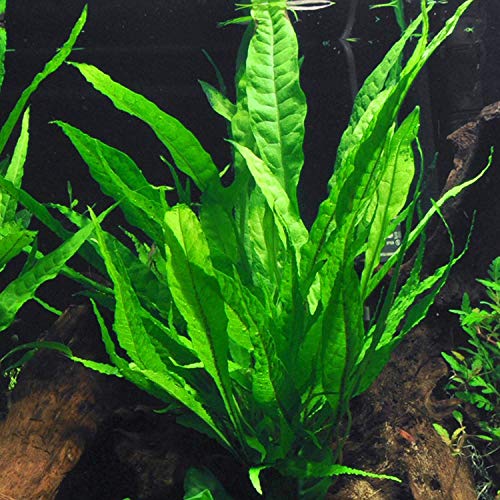
Java fern (Microsorum pteropus) is a staple for angelfish tanks due to its resilience and natural appearance. As a low-light plant, it thrives in most community setups without demanding carbon dioxide supplementation or specialized substrates. Its broad, soft leaves provide safe resting spots for angelfish and other shy inhabitants, while the plant can be attached to driftwood or rocks with simple ties. Java fern helps create vertical structure, contributing to a layered, natural aquarium aesthetic. Regular trimming keeps growth compact and maintains balanced light distribution for nearby foreground plants.
This fern is particularly forgiving, making it suitable for new tanks or mixed communities. While it grows slowly, its evergreen presence adds texture and hiding places that reduce stress during daily activity and occasional breeding. Pair it with a stable, moderate temperature range (mid-70s to low-80s Fahrenheit) to maximize its benefits for angelfish and their tank mates.
Amazon Sword For Dense Aquascapes

The Amazon sword is a classic centerpiece plant that brings bold, broad leaves and substantial vertical presence to angelfish tanks. Realistic and forgiving, it can reach 20–50 cm tall in good conditions and helps create a natural backdrop that enhances the sense of scale in larger tanks. A nutritious bottom helps growth, but pruning is recommended to prevent the plant from shading shorter plants in the foreground. It tolerates a range of lighting, thriving even in less-than-ideal setups, which makes it a reliable option for beginners and experienced keepers alike.
As a background plant, the Amazon sword adds depth and provides shelter, which can support territorial angelfish and reduce aggression. Regular trimming encourages bushier growth and maintains light penetration to shallower species, supporting a balanced ecosystem. Pair with compatible lighting, adequate nutrients, and stable water parameters to maximize vigor and visual appeal.
Anacharis Elodea Densa Live Plant Bundle

Anacharis elodea is a versatile, fast-growing live plant that adds oxygen and shelter to angelfish tanks. Each bundle typically includes several stems, ranging from 6 to 10 inches in length, offering flexible placement—from background to mid-tointermediate zones. Anacharis adapts to a range of lighting conditions, making it an excellent choice for lightly to moderately lit tanks. Its feathery, leafy growth creates natural grazing areas and hiding spaces that support a calm, dynamic aquarium environment.
Keep temperatures stable and avoid sudden temperature shocks, especially during extreme weather. Regular trimming supports healthy growth and prevents crowding around the substrate. Anacharis works well in mixed-plant setups with Java ferns or Anubias, contributing to a diverse, lush aquascape ideal for angelfish behavior and exploration.
Beginner Plant Trio: Bacopa, Anubias, Java Fern

This starter set combines Bacopa, Anubias, and Java fern to deliver a diverse, beginner-friendly planting solution. The trio is designed to saturate water with oxygen, provide shelter for smaller fish, and transform the tank’s look with a natural underwater landscape. Each plant has its own stabilization base, helping them settle into gravel or finer substrates. Bacopa offers slender, leafy stems; Anubias adds durable broad leaves; and Java fern provides easy attachment to décor. Together, they create a balanced environment suitable for angelfish and community tanks alike.
For beginners, this bundle reduces decision fatigue and ensures compatibility across lighting ranges. With proper care, these plants require minimal maintenance while delivering durable color and structure. Regular pruning keeps the layout dynamic and prevents overcrowding, ensuring angelfish have room to swim and explore.
Water Spangle Salvinia Minima Floating Plant

Salvinia minima is a floating plant that creates a natural canopy on the tank surface, offering shade, hiding spots, and a different habitat for angelfish. It is low-maintenance and thrives under low to moderate light, making it suitable for many community tanks. The floating growth helps regulate surface light, reducing algae on deeper plants while providing a refuge for fry or shy fish. The listing notes temperature considerations—stable conditions yield the best results, and extreme fluctuations can affect health—so maintain consistent parameters within the angelfish’s comfort range.
Floating plants like Salvinia also contribute to biological filtration by absorbing nutrients from the water column. Regular thinning prevents overgrowth that could block gas exchange or impede filtration. In combination with rooted plants, Salvinia helps create a well-rounded, multi-layered aquarium environment that supports natural angelfish behavior and visual appeal.
Buying Guide: Key Purchase Considerations
Selecting the right plants for an angelfish setup involves balancing growth, compatibility, and maintenance. Consider these factors when building or refining your aquarium landscape:
- Tank size and layout: Taller background plants like Amazon sword or Anacharis create depth, while Java fern and Anubias work well in mid- to foreground zones. Floating plants add a surface canopy but may require regular thinning.
- Light requirements: Angelfish tanks vary in lighting. Low-light species like Java fern and Salvinia are forgiving, while sword plants may demand moderate light for robust growth. Match plants to your current or planned lighting to avoid stunted growth or algae blooms.
- Growth rate and maintenance: Fast-growing species rapidly fill space but need regular pruning. Slow growers provide long-lasting structure with less upkeep. A mixed approach often yields the best balance of appearance and ease.
- Plant type and placement: Rooted plants require substrate, while floating species need room at the surface. Anchoring plants to decor or using bases helps with stable placement in active angelfish tanks.
- Water chemistry and temperature: Angelfish generally prefer temperatures in the mid-70s to low-80s Fahrenheit and a neutral to slightly acidic pH. Ensure your plant choices tolerate your water parameters and avoid sharp changes during acclimation.
- Compatibility and safety: Avoid plants with sharp edges that could injure fins. Artificial plants are an option for beginners or tanks with aggressive species, but live plants provide greater ecological benefits for angelfish.
- Maintenance and lifecycle costs: Live plants require lighting, nutrients, and occasional trimming, which can be cost-effective over time. Artificial plants have lower ongoing costs but don’t contribute to water chemistry or oxygenation.
- Fry and breeding considerations: Floating plants can provide cover for fry, while dense foreground plantings offer safe hiding spots. A balanced mix supports all life stages in a community tank.
Comparing Plant Types For Angelfish
- Live rooted plants (Java Fern, Anubias, Bacopa, Sword): Pros include oxygen production, natural aesthetics, and ecological benefits. Cons include lighting needs and potential pruning requirements.
- Floating plants (Salvinia): Pros include surface shade and fry cover; Cons include potential rapid expansion needing regular thinning.
- Artificial plants: Pros include guaranteed shape and zero maintenance; Cons include lacking ecological benefits and may not encourage natural behaviors.
- Combination approach: Pros include a dynamic, layered environment with varied microhabitats; Cons include management of multiple plant types and growth rates.
In practice, a well-rounded setup often uses a mix: a tall background live plant like Amazon sword, mid-height options like Java fern or Anubias, a slow-growing foreground such as Bacopa, and a floating canopy like Salvinia. This combination supports angelfish behavior, creates natural hiding spots, and helps maintain water quality through nutrient uptake and oxygenation. Monitor growth and adjust as your tank matures to keep a balanced, aesthetically pleasing aquarium that remains easy to maintain over time.