Best Plants for Molly Fish in a Freshwater Tank
proper=”Introduction”>Proper plant selection supports Molly fish by providing hiding places, reducing stress, and helping maintain water quality. The five live plants below are chosen for their hardiness, safety for peaceful Mollys, and suitability for small-to-medium tanks. Each entry notes light needs, growth habit, and care tips tailored to community aquariums. A quick summary table is included to compare essentials at a glance, helping you decide which species to add first or in combination with others.
| Plant | Brand | Light Needs | Notes |
|---|---|---|---|
| Amazon Sword | Water Plants | Low–Medium | Hardy; 20–50 cm; prune to avoid shading |
| Water Spangle (Salvinia Minima) | Aquarium Plant Center | Low–Medium | Floating; 12 plants cover ~4″ circle |
| Anacharis Elodea Densa | Marcus Fish Tanks | Moderate | 3 bundles; 6–10″ stems; grow in groups |
| Guppy Grass (Najas Guadalupensis) | AzonAqua | Low–Medium | Dense shelter; 8 oz cup |
| Tiger Lotus Lily (Nymphaea Lotus) | Marcus Fish Tanks | Bright light | Sprouted bulb; fragile bulbs |
Amazon Sword Echinodorus Bleheri

The Amazon Sword, Echinodorus Bleheri, is a classic freshwater plant prized for its resilience and broad, glossy leaves. Originating from South America, it can reach 20–50 cm in height, making it a strong background plant for Molly tanks. It thrives in a wide range of conditions, including low to moderate light, and helps stabilize nutrients in the substrate by absorbing nitrates. In community tanks, this sword forms a durable structure that anchors aquascapes while supporting natural Molly behavior.
Pruning is essential to prevent shading of shorter plants and slowly growing foreground species. Regular trimming promotes new growth and keeps mid- and foreground areas accessible for smaller fish and fry. The Amazon Sword is hardy and forgiving, suitable for both beginners and experienced aquarists, particularly in larger tanks that accommodate its eventual height. It has even appeared under the name Paniculatus in some listings, a reminder that plant names can vary by supplier.
For Molly care, this plant provides shelter, grazing surfaces, and a natural barrier that reduces aggression. Monitor nutrients and light to help prevent algae growth on broad leaves. With proper pruning and maintenance, Amazon Sword can thrive for many months in a suitable aquarium.
Water Spangle Salvinia Minima

Salvinia Minima, commonly sold as Water Spangle, is a floating fern-like plant that stays on the aquarium surface. It’s low-demanding and adapts to low-to-medium light, making it a good pairing with Molly fish in tanks with varying light levels. Its compact leaves and floating habit help control light intensity for deeper plants and can contribute to a visually layered aquascape. The arrangement noted—12 plants with 60+ leaves—can cover roughly a 4″ diameter circle, providing dense surface cover and microhabitats for fry.
Caveat: The temperature sensitivity note in the listing indicates shipments and viability may be affected if temperatures swing outside 38–85 F in the next seven days, so maintain stable tank temperatures during shipping or acclimation. Salvinia Minima does not root, so it can be trimmed to control surface coverage and prevent crowding of ornamentals. For Mollies, floating plants provide shade and fry shelter, enhancing comfort and reducing stress.
Because Salvinia grows quickly, regular thinning may be needed to keep space for gas exchange and avoid blocking filtration or light for other species. It pairs well with background plants and works as a dynamic edge near the surface of the tank.
Anacharis Elodea Densa Bundle

Anacharis Elodea Densa is a popular, fast-growing stem plant that ships as bundles with multiple stems, typically 6–10 inches long. The listing notes three bundles, each containing 4–8 stems. Its dense growth provides lush vertical accents and helps absorb nitrates, improving water quality for Molly fish. The long, bright green shoots create a natural, forest-like appearance in mid-to-background areas and respond well to trimming, making it versatile for evolving layouts.
Care: It is a live plant; extreme temperatures can stress it. The listing warns about weather-related shipping restrictions in winter, with temperatures below 20 F at the daily low. In typical aquarium settings, Anacharis grows best in moderate to bright light and can be grouped to form privacy screens for fry. For Mollys, Anacharis offers swimming corridors and plenty of grazing surfaces for biofilm consumption, while adding shelter and reducing aggression.
Guppy Grass Najas Guadalupensis
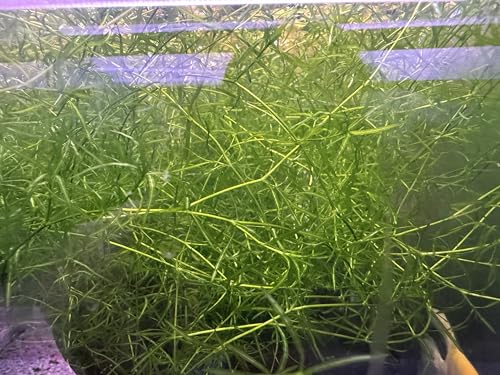
Guppy Grass, Najas Guadalupensis, is a robust, fast-growing live plant offered in an 8-ounce cup. The dense, vibrant green leaves make a natural shelter and a staging ground for small fish and fry, which is ideal for Molly communities. Dense growth helps absorb excess nutrients and supports a balanced, healthy aquarium. The 8 oz cup provides a generous starting mass for kick-starting a planted tank.
Care: It tolerates low-to-medium light and adapts to a range of freshwater conditions. Regular trimming keeps growth tidy and prevents overcrowding, while ensuring surface flow remains unobstructed for filtration. This plant is beginner-friendly and well-suited to new tanks that need quick, reliable greenery. Beyond shelter, Guppy Grass adds natural texture and movement, complementing other foreground and mid-ground plants and supporting diverse microhabitats.
Tiger Lotus Lily Nymphaea Lotus
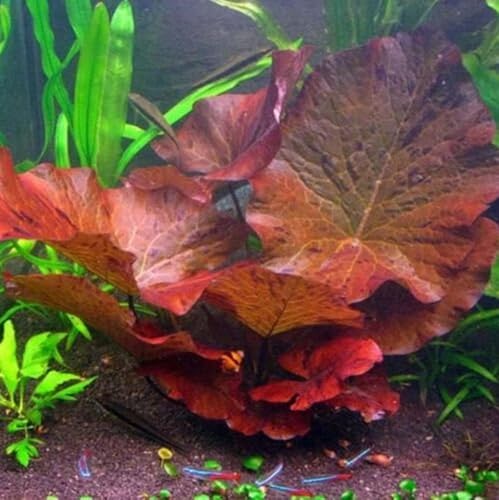
Tiger Lotus Lily is a sprouted bulb plant shipped as a ready-to-grow sprout. The listing notes bulbs range from about half an inch to an inch, with sprouts typically 1 cm to 3 cm. This plant adds vertical interest and striking foliage, with the potential for blooms in well-lit tanks. It is a freshwater plant that suits background or mid-ground placement, depending on tank size, and serves as a dramatic centerpiece in aquascapes.
Care: Tiger Lotus requires adequate lighting to promote growth and flowering, and to encourage robust roots. Avoid disturbing the bulb and roots during planting and routine maintenance, and maintain stable water conditions to prevent stress. Shipping bulbs can be fragile, so acclimation and careful placement are advised. For Molly communities, Tiger Lotus offers broad leaves that create shaded zones and shelter, contributing to a calmer environment when placed thoughtfully away from heavy current or filtration outlets.
Buying Guide
Choosing plants for Molly fish involves balancing aesthetics, health benefits, and maintenance needs. Live plants can improve water quality by uptaking nitrates, provide shelter, and encourage natural behaviors, but they require regular care and appropriate lighting. This guide compares key considerations to help you design a harmonious, low-stress Molly aquarium.
Light And Fertilization
Light is a critical factor for most aquatic plants. Low-to-moderate lighting supports hardy species like Amazon Sword and water surface plants such as Salvinia, while more light-hungry options like Tiger Lotus benefit from brighter setups. If your tank has low light, consider slow-growing foreground species or floating plants to maximize coverage without overinvesting in lighting. Fertilization should be matched to plant selection; enzymatic or liquid fertilizers can help maintain nutrient balance when using heavy-feeding species, but avoid over-fertilization that promotes algae growth.
Tank Size, Layout, And Compatibility
Tank dimensions influence plant choice. Taller background plants (like Amazon Sword) require vertical space, while floating plants can shade the surface without occupying substrate. Mid-ground stems (Anacharis) and foreground grasses (Guppy Grass) create depth and natural habitats for Molly fry. Consider how plants interact with Molly behavior; provide multiple hiding spots to reduce stress and aggression. Group plants with varying root and leaf forms to create a natural, layered environment that supports fish at different life stages.
Growth Rate, Maintenance, And Longevity
Plant growth rate affects maintenance workload. Fast growers (Anacharis, Guppy Grass, Salvinia) require more frequent trimming to maintain aquascape balance and prevent overcrowding. Slower-growing plants (Tiger Lotus, Amazon Sword) reduce pruning frequency but may need longer establishment periods. Longevity depends on temperature stability, light, and nutrient availability. Regular monitoring helps prevent nutrient imbalances and detritus buildup that can cause poor water quality.
Cost, Availability, And Shipping Considerations
Live plants are subject to seasonal availability and shipping conditions. Weather extremes can affect plant viability, so plan purchases to align with stable temperatures. Some listings note potential cancellations or shipping limitations when temperatures are outside safe ranges. When ordering multiple species, stagger shipments if possible to minimize stress on fish and to allow acclimation time for plants. For beginners, starting with a few hardy species can simplify acclimation and maintenance.
Placement And Aesthetic Pairing
Arrange plants to create a natural aquarium narrative: use taller swords and lotuses toward the back, mid-ground stems in the center, and low-growing foregrounds to frame the tank. Floating plants offer surface shading and a floating canopy effect. Consider color contrast and leaf texture to achieve visual interest while ensuring each plant has adequate light and space to thrive. Regular pruning maintains shape and prevents any single species from dominating the layout.