Best Plants for Planted Aquarium Substrates and Fertilizers
Growing a thriving planted aquarium starts with a strong foundation. Substrates supply essential nutrients and help stabilize pH, while fertilizers fuel vibrant plant growth and color. Lighting, water quality, and compatible plants complete the setup. This guide highlights five top products that support robust rooted and floating aquatic plants, plus practical tips for integrating them into your tank. Use the summary table to compare purposes at a glance, then read each product section to see how it fits your tank size, inhabitants, and water conditions.
| Product | Brand | Type | Notes |
|---|---|---|---|
| Water Spangle Salvinia Minima Plant | Aquarium Plant Center | Live Plant | Floating, low to medium light, fast cover |
| Fluval Plant And Shrimp Stratum Substrate | Fluval | Substrate | Porous; supports nitrifying bacteria; neutral to slightly acidic pH; shelter for newborn shrimp |
| Aqueon Plant Substrate For Growth | Aqueon | Substrate | Aqua soil; promotes broad plant growth; suitable for shrimp and tropical fish |
| Flora Multi Minerals Plant Fertilizer | crystalpro | Fertilizer | All-in-one mineral mix; rich macro/micro nutrients; no phosphate or silicate |
| Thrive Planted Aquarium Fertilizer | NilocG Aquatics | Fertilizer | Highly concentrated; treats up to 2500 gallons; works with low and high-tech setups |
Fluval Plant And Shrimp Stratum Substrate
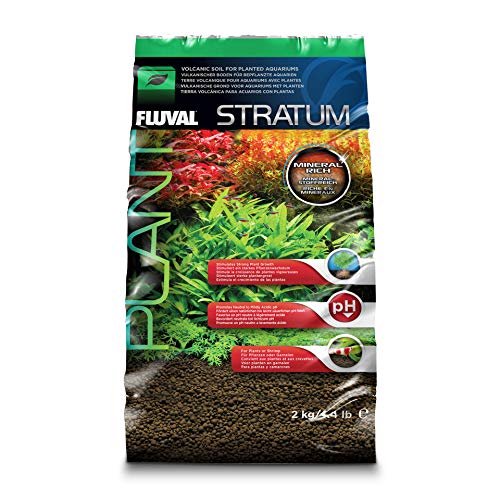
Fluval Plant And Shrimp Stratum is a nutrient-rich substrate designed to support both rooted plants and shrimp. Its porous structure fosters rapid colonization by beneficial nitrifying bacteria, helping to stabilize ammonia and nitrite levels and contribute to a healthier aquarium environment. The substrate is formulated to maintain a neutral to slightly acidic pH range, which suits a broad spectrum of aquatic plants, tropical fish, and shrimp commonly kept in planted aquariums. In addition to nutrient delivery, its texture provides microhabitats and hiding places that reduce stress for small inhabitants. For shrimp especially, the Stratum can offer shelter for newborns, allowing juveniles to grow before venturing into the main display. For best results, create a bottom layer of 2–3 inches and cap with a finer top layer to encourage root penetration. Pair with appropriate root-feeding fertilizers to maximize plant growth, and monitor pH and hardness to keep everything balanced as plants establish themselves. Regular partial water changes and gentle substrate stirring during routine maintenance help prevent compacted areas and ensure ongoing nutrient distribution. This substrate shines in tanks aiming for lush foreground growth and healthy shrimp populations.
Aqueon Plant Substrate For Growth
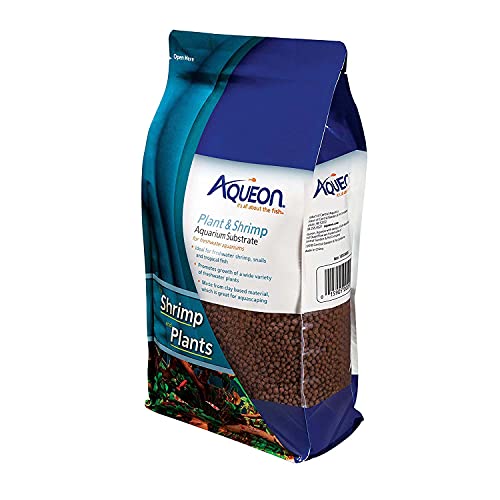
Aqueon Plant Substrate is a versatile aqua soil designed to support a wide variety of freshwater plants, shrimp, snails, and tropical fish. Its nutrient-rich base helps establish robust roots and encourages steady, long-term plant development. This substrate is well-suited for planted tanks that emphasize lush foliage, as the enriched medium stimulates root feeders and stem plants alike. For optimal results, layer the substrate to provide a deeper zone for root growth while keeping a smoother top layer to ease planting. When paired with a balanced fertilizer program and appropriate lighting, Aqueon substrate helps maintain vibrant greens and healthy plant tissue across a diverse plant roster. Regular dosing aligned with plant needs—especially in high-light or CO2-enabled setups—supports continued growth and color.
Flora Multi Minerals Plant Fertilizer

Crystalpro Flora Multi Minerals is an all-in-one plant food supplement designed to support color and healthy growth in freshwater aquarium plants. It includes essential macro and micronutrients—potassium, nitrate, magnesium, calcium, sulfates, iron, boron, manganese, zinc, copper, molybdenum, and cobalt—while explicitly avoiding phosphate and silicate. For high-support systems with abundant light and CO2, recommended dosing is 5 ml per 100 liters daily; in low-light, CO2-light setups, a lighter regimen of 1 ml per 100 liters daily is advised. A 30–50% weekly water change helps maintain nutrient balance and water quality. Regular dosing supports deeper green hues and stronger stems, especially in fast-growing plant setups.
Thrive Planted Aquarium Fertilizer

NilocG Aquatics Thrive Planted Aquarium Fertilizer is a highly concentrated all-in-one liquid fertilizer designed to feed aquarium plants with essential micro- and macronutrients. The product is marketed as suitable for both low-tech and high-tech planted tanks, helping planted species achieve more vibrant coloration and stronger growth. Its high concentration means savings on dosing, with a single bottle treating thousands of gallons depending on dosing rates. For optimal results, align Thrive with your substrate choice and light levels, adjusting dosage as plant demand grows or slows with seasonal changes. Regular monitoring of plant health and minor pruning to prevent shading improves overall tank balance.
Water Spangle Salvinia Minima Plant

Water Spangle Salvinia Minima is a low-maintenance floating plant that thrives in low to medium light and freshwater conditions. This floating cover helps shade deeper plants, reduces algae growth by limiting light penetration, and provides essential surface area for gas exchange. The listing notes a temperature sensitivity warning—orders may be canceled if temperatures swing outside acceptable ranges in the next week—so plan deliveries for mild weather periods or indoor space control. In planted tanks, Salvinia Minima can be pruned regularly to prevent overgrowth and ensure adequate light reaches rooted specimens. It’s a practical choice for hobbyists wanting rapid surface coverage and easier nutrient removal via surface uptake.
Buying Guide
Substrate choices for planted tanks
Nutrient-rich substrates like Fluval Stratum and aqua soil variants provide essential minerals for rooted plants and encourage strong root systems. Deeper layers (2–3 inches) support root feeders while a lighter cap layer makes planting easier and reduces substrate compaction. For tanks with delicate shrimp or fry, consider substrates that offer microhabitats and gentle textures to minimize stress during early development. If you prefer a simpler setup, inert substrates with separate liquid fertilizers can still achieve robust growth with regular dosing and steady lighting. Always match substrate pH compatibility to your plant selections and water chemistry.
Fertilizers and nutrient regimes
A balanced fertilization plan typically includes both macronutrients (nitrogen, phosphorus, potassium) and micronutrients (iron, manganese, zinc, boron, copper). Root feeders benefit from substrate-based nutrients and occasional root tabs, while fast-growing stem plants often require regular water-column dosing. When CO2 and high light are present, nutrient demand increases, so dosing should rise accordingly. Follow product-specific guidelines and perform weekly water changes to prevent nutrient buildup. For beginners, an all-in-one fertilizer like Thrive or Flora Multi Minerals paired with a nutrient-rich substrate provides a solid starting point.
Lighting and its role in plant health
Light drives photosynthesis and influences plant color, growth rate, and algae risk. Low-light setups still support greens and foreground plants with slower growth, while high-light systems paired with CO2 production produce lush, fast-growing carpets and stems. Lighting temperature spectrum matters as well; a balanced spectrum that includes blue and red wavelengths promotes healthy foliage. For floating plants like Salvinia Minima, moderate light often suffices, while rooted plants across the tank may require brighter, longer exposure.
Live plants vs. planted substrates
Live plants add aesthetic value and improve water quality but require careful planning. Floating species can help with surface shading and fry protection, while rhizome-rooted plants need nutrient-rich substrates. A combined approach—substrate for rooted plants, water-column fertilizers for stems, and floating species for cover—often yields the best overall balance. When selecting plants, consider growth rate, light requirements, and compatibility with tank inhabitants to maintain a stable ecosystem.
Maintenance, monitoring, and troubleshooting
Regular maintenance includes trimming fast-growing species to prevent shading, testing water parameters, and performing partial water changes. Watch for nutrient deficiencies (pale new growth, odd leaf coloration) that signal dosing or light imbalances. Algae can indicate excess light or nutrients; adjust lighting duration or reduce excess fertilizers accordingly. If shrimp populations are increasing, ensure substrate and plants offer enough cover. Remember to acclimate live plants carefully when introducing new specimens to minimize shock and disease risk.