Best Prescription Dog Food for Kidney Disease: Clinically Supported Options
Kidney disease in dogs requires careful nutrition. Prescription diets are formulated to support kidney function while managing minerals and preserving lean muscle. This guide highlights five veterinary diets commonly recommended for kidney care, including both dry and wet formulations, to help owners compare options and plan vet-guided transitions.
| Product | Form | Key Benefit |
|---|---|---|
| Hill's k/d Kidney Care Dry Dog Food | Dry | Supports kidney function; ActivBiome+ Kidney Defense |
| Hill's k/d Kidney Care Wet Stew | Wet | Hydration; quality of life |
| Blue Buffalo Kidney Support Dry Dog Food | Dry | Kidney care formula; phosphorus and sodium control |
| Forza10 Kidney Care Dry | Dry | Low protein and phosphorus; hydrolyzed protein base |
| Forza10 Kidney Care Wet Lamb | Wet | Low protein; omega-3 rich; renal-support formula |
Hill’s k/d Kidney Care Dry Dog Food

Hill's Prescription Diet k/d Kidney Care Dry Dog Food is a veterinary diet formulated by Hill’s nutritionists and veterinarians to support kidney function in dogs with kidney disease. The dry kibble is designed to provide nutrition that can help protect kidney function over time.
The formula uses ActivBiome+ Kidney Defense, a proprietary blend of prebiotics shown to activate the gut microbiome to help protect kidney function. Clinically proven nutrition aims to improve and lengthen quality of life for dogs under veterinary care.
Veterinarians typically recommend a gradual transition from existing foods, with ongoing monitoring of appetite, weight, and kidney-related biomarkers. Regular checkups help ensure the diet continues to meet a dog’s evolving needs.
Hill’s k/d Kidney Care Wet Stew

Hill's Prescription Diet k/d Kidney Care Chicken & Vegetable Stew is a veterinary wet diet designed to protect kidney function. The stew format provides moisture and a palatable option for dogs that prefer canned food.
This wet food delivers clinically proven nutrition to improve and lengthen quality of life for dogs under veterinary care and includes ActivBiome+ Kidney Defense to support kidney health. It contains essential amino acids in amounts that help maintain lean muscle while managing kidney conditions.
As with any prescription diet, transitions should be supervised by a veterinarian to ensure adequate hydration, nutrition balance, and acceptance by the dog during the switch from current foods.
Blue Buffalo Kidney Support Dry Dog Food

Blue Buffalo Natural Veterinary Diet KS Kidney Support Dry Dog Food is a veterinarian-prescribed formula crafted for dogs with kidney needs. It emphasizes real meat and purpose-built kidney support nutrition.
REAL MEAT FIRST: This Blue Buffalo dry dog food is made with real chicken as the first ingredient. KIDNEY CARE FORMULA provides balanced protein with controlled levels of phosphorus and sodium to support kidney function while maintaining muscle mass.
The combination of taste-friendly ingredients and a medically formulated balance helps support daily energy and overall well-being in dogs managing kidney disease, under veterinary guidance and monitoring.
Forza10 Kidney Care Dry
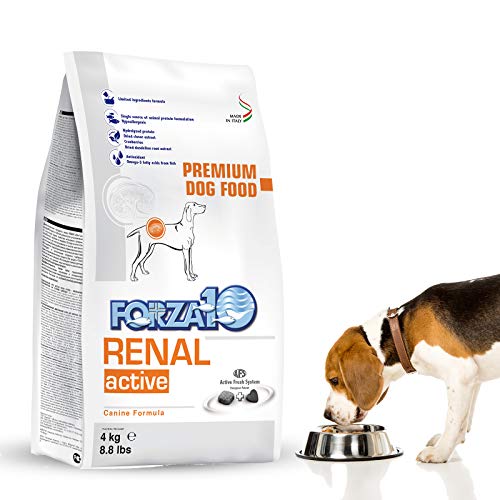
Forza10 Kidney Care Dry Dog Food is designed to support kidney health with a low-protein approach and a low-phosphorus profile. It is marketed as gluten-free and caters to dogs with renal and cardiac considerations.
HYDROLYZED PROTEIN DOG FOOD: Made with Icelandic anchovy and a mix of natural, therapeutic plants and fruits, this formula aims to address kidney care needs while maintaining palatability. It is corn, wheat, and soy free, with no GMOs or artificial preservatives or colors.
The dry option can complement other kidney-focused diets or be used as a stand-alone solution, under veterinary supervision and a tailored transition plan for the dog.
Forza10 Kidney Care Wet Lamb

Forza10 Kidney Care Wet Lamb is a renal-support wet dog food formulated with lamb as a protein source for dogs needing lower protein and phosphorus levels. This wet formula provides moisture and can be appealing for dogs that favor canned diets.
The product emphasizes a low-protein, low-phosphorus approach and includes omega-3 fatty acids to support kidney health. It uses natural plants and fruits, aiming to support urinary and renal function while being gentle on sensitive stomachs. Veterinary guidance is recommended for transitioning to this wet option.
Buying Guide: Key Considerations For Kidney Disease Diets
Choosing the right kidney-disease diet involves balancing medical guidance with a dog’s preferences and lifestyle. The following factors help owners compare options and plan a successful, veterinarian-guided transition.
- Prescription status and veterinary oversight: Most kidney-disease diets in this category are veterinarian-prescribed. Always consult with a veterinarian to confirm the best choice for a dog’s stage of kidney disease and any concurrent health issues.
- Formulation and form factor: Dry, wet, or a combination each offer advantages. Dry food often supports dental health and shelf stability, while wet food increases moisture intake and palatability. In some cases, a mix of both improves acceptance and hydration.
- Nutrient balance: Kidney diets typically moderate protein while ensuring high-quality amino acids, and limit phosphorus and sodium. The exact targets vary by product; veterinarians tailor plans to a dog’s needs and monitor kidney values over time.
- Protein source and quality: Some products emphasize real meat as a primary ingredient, which can aid palatability and muscle maintenance. For dogs with sensitivities, hypoallergenic or novel-protein options may be considered under veterinary guidance.
- Phosphorus and mineral management: Controlled phosphorus and sodium levels are common features, aiming to ease the kidney’s workload and support cardiovascular health in some cases.
- Omega-3 fatty acids and other additives: Many formulas include omega-3s (EPA/DHA) and prebiotics to support inflammatory balance and gut health, which may benefit overall kidney function.
- Palatability and acceptance: A dog’s willingness to eat is critical for maintaining nutrition. If a dog resists a prescribed diet, vets may suggest flavor variants (e.g., lamb, fish) or gradual transitions.
- Transition plan and monitoring: Gradual changes over 7–14 days (or as advised by a vet) help reduce gastrointestinal upset and refusals. Ongoing monitoring through weight checks, appetite, and bloodwork is essential.
- Life stage, breed, and comorbidities: Age, breed predispositions, and conditions such as heart disease or diabetes influence diet choices and transition pace.
- Practical considerations: Availability, cost, and whether the dog tolerates the texture (dry vs canned) can affect long-term adherence and success.
Any kidney-disease diet should be implemented under veterinary supervision. If a chosen product is not accepted by the dog, discuss alternatives with a veterinarian to adjust texture, flavor, or feeding strategy, ensuring a consistent delivery of kidney-supportive nutrition over time.