Rats and other rodents pose health risks and can cause extensive property damage. Choosing an effective poison and baiting system is essential for reliable control, whether you’re dealing with indoor infestations or outdoor activity. This guide highlights five top poison-based products that are widely used in American homes and yards. Each item is described with its key features, usage notes, and practical considerations to help you compare options and select the right solution for your space and household needs.
| Product | Brand | Type | Indoor/Outdoor | Key Feature |
|---|---|---|---|---|
| Victor Rat Poison For Indoor And Outdoor Use | Victor | Ready-to-use bait | Indoor & Outdoor | Weather-resistant bait balls for broad coverage |
| Tomcat Rat & Mouse Killer Station | Tomcat | Refillable bait station | Indoor & Outdoor | Child/Dog resistant with 15 refills |
| Tomcat Mouse Killer Station | Tomcat | Refillable bait station | Indoor & Outdoor | Weather- and tamper-proof with 16 refills |
| Tomcat Disposable Rat & Mouse Stations | Tomcat | Pre-filled stations | Indoor & Outdoor | 2-pack, each kills up to 10 rats |
| Contrac Blox Rodent Control | Bell Laboratories | Rodenticide Blox | Indoor & Outdoor | High-capacity blocks with long shelf life |
Victor Rat Poison For Indoor And Outdoor Use
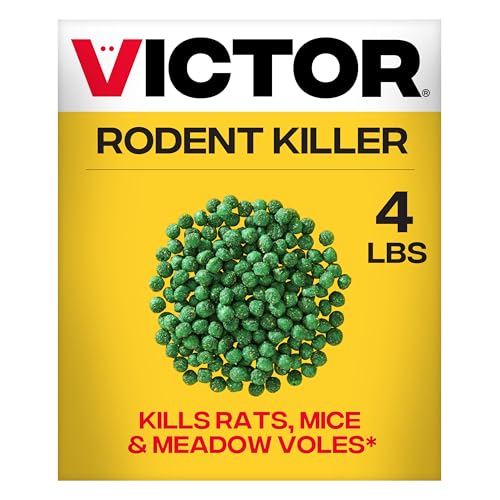
Victor’s M925 formulation provides broad, ready-to-use poison bait suitable for both exterior and interior rodent control. The fish-flavored bait balls are designed to attract rats and mice, delivering a rapid kill with a flexible application footprint. The formulation emphasizes weather resistance, maintaining effectiveness in wet or dry conditions, which makes it a practical option for porches, sheds, basements, and outdoor spaces near the home. The product is positioned for quick deployment and regular replenishment in spaces where rodent activity is suspected or observed.
Effectiveness is enhanced by its simple, ready-to-use application—ideal for homeowners who prefer a straightforward setup. As with any poison bait, placement matters: out of reach of children and pets, in locations where rodents travel, and along typical runs or entry points. Ongoing monitoring and re-baiting help sustain control over time while reducing the risk of repeated infestations. The product supports broader containment efforts across different zones of a property.
Tomcat Rat & Mouse Killer Station

Tomcat’s Rat & Mouse Killer Station is designed as a tamper-resistant, child- and dog-resistant bait station suitable for indoor and outdoor use. Each bait block kills up to three rats according to no-choice laboratory testing, providing a clear kill metric to gauge effectiveness. Its weather-resistant construction makes it suitable for garages, basements, sheds, and exterior spaces exposed to the elements, while the design helps minimize accidental exposure. The station is built for ease of use: insert bait, place in rodent-prone zones, and monitor refills as needed.
Critical considerations include secure placement away from kids and pets, and regular inspection to verify bait status. The product’s refillability supports long-term use, allowing homeowners to maintain consistent pressure on rodent populations. As with other poison-based systems, users should follow label directions precisely and complement baiting with sanitation and sealing practices to reduce attractants and entry points.
Tomcat Mouse Killer Station

The Tomcat Mouse Killer Station is a refillable bait station designed for indoor and outdoor use, providing a weather- and tamper-resistant solution that helps curb mouse infestations. Each station supports up to 16 poison blocks, with the blocks capable of killing multiple mice per cycle. A clear lid enables easy monitoring of bait status, so homeowners know when to refill. Reuse reduces ongoing costs and maintains a controlled baiting environment where children and pets are kept away from access points.
Consider monitoring needs, bait block availability, and replacement frequency when choosing this option. Combining stations with routine home maintenance—such as sealing gaps and removing attractants—can amplify the impact of the bait and support longer-term control. Always adhere to the label, store bait safely, and ensure stations remain accessible for maintenance while out of reach of non-target animals.
Tomcat Disposable Rat & Mouse Stations

This Tomcat disposable value pack includes two pre-filled bait stations, ready for immediate use. Each station comes with one bait block capable of killing up to 10 rats, delivering a straightforward kill metric for quick assessment of effectiveness. The design emphasizes weather resistance and tamper-proof features, helping to protect children and dogs in homes where rodents are active both indoors and outdoors. When deploying, position stations along rodent pathways and expected travel routes to maximize encounters and reduce hiding places for pests.
With disposable stations, maintenance focus shifts to timely replacement and proper disposal of used units. Regularly inspect the stations for signs of activity, check bait block status, and coordinate with integrated pest management practices to maintain long-term suppression of rodent populations. Always follow safety guidelines to minimize risk to humans and pets while achieving reliable results.
Contrac Blox Rodent Control
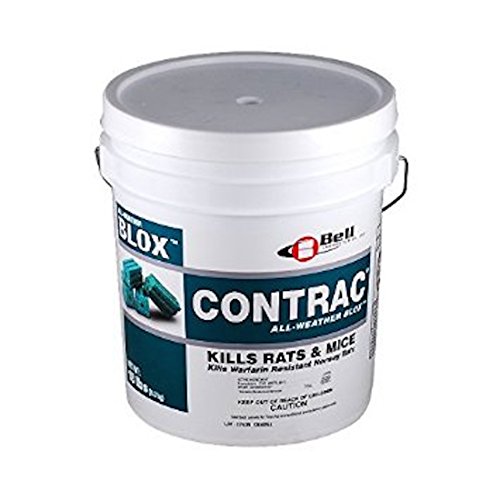
Contrac Blox is a rodenticide bait option that uses bromadiolone as an active ingredient. The 18-pound pail contains approximately 288 blocks, offering long-term coverage for larger spaces or persistent infestations. The label indicates shelf life of two to three years when unopened and stored away from extreme temperatures; once opened, the product may last about a year under normal conditions. Bait blocks are typically deployed at strategic locations to maximize encounters, with routine replacement every 40–60 days if not consumed. This option is suited for integrated pest management programs in garages, barns, and other outbuildings.
When using Contrac Blox, consider storage needs, environmental conditions, and potential non-target exposure. Pairing bait with exclusion measures—such as sealing entry points and minimizing accessible food sources—strengthens overall control. Follow the product label for application rates, placement guidelines, and safety precautions to ensure effective and responsible use in homes and properties.
Buying Guide
Key purchase considerations help narrow the right choice for your space and risk tolerance. Start by deciding between poison-based bait stations and non-poison approaches (traps or birth control products). For indoor use, prioritize tamper-resistant, child- and pet-proof designs, and look for stations with clear monitoring features so you know when to refill or replace bait. Outdoor spaces benefit from weather-resistant formulas and robust bait blocks that hold up in rain or sun.
Safety is critical. Review label instructions to understand permitted environments, proper placement, and required PPE during handling. Consider the potential impact on non-target animals, including pets and wildlife, and whether the product supports long-term population management or rapid elimination. Shelf life, storage requirements, and disposal guidance affect total cost and convenience over time.
Effectiveness varies by rodent pressure, entry points, and sanitation. For larger infestations, select a high-capacity option like a bait station with multiple refills or a bulk bait like blox blocks, and pair with exclusion strategies—sealing gaps, trimming vegetation away from foundations, and removing accessible food sources. If pets or children are present, prioritize tamper-resistant models and safer, non-poison controls where possible. Finally, ensure compliance with local regulations and label requirements to maintain responsible pest management.