Discover reliable self feeders designed to keep aquarium fish well-fed when you’re away or busy. This guide highlights five top-rated options, covering capacity, programmable schedules, and moisture resistance. Each listing includes key features to help you compare at a glance and choose the right dispenser for your tank size and fish type.
| Product | Capacity | Feeding Modes | Moisture Control | Power |
|---|---|---|---|---|
| Aoyar Automatic Fish Feeder | 200 ml | 8/12/24 hour rotations + manual | Moisture-proof lid | Battery |
| Aqueon 7 Day Vacation Feeder | Not specified | Slow-release daily | Not specified | Manual |
| FREESEA Automatic Fish Feeder | Not specified | 8/12/24 hour rotations + manual | Moisture-proof design | Battery |
| FISHNOSH Automatic Feeder (ML) | Not specified | Up to 3 feedings per day | Sealed moisture control | Not specified |
| Tetra Weekend And Vacation Feeder | 1 gel block | Slow-release up to 14 days | Gel-based release | Manual |
Aoyar Automatic Fish Feeder

The Aoyar self feeder offers three fixed feeding modes that rotate at 8, 12, or 24 hours. It supports manual feeding at any time for quick top-ups. A 200 ml capacity helps cover longer trips, making it suitable for small to medium aquariums. The feeder uses a moisture-proof lid design to reduce water exposure, helping to keep flakes and pellets dry and reduce clumping. An adjustable slider lets you control the feeding quantity to prevent overfeeding.
Aqueon 7 Day Vacation Feeder
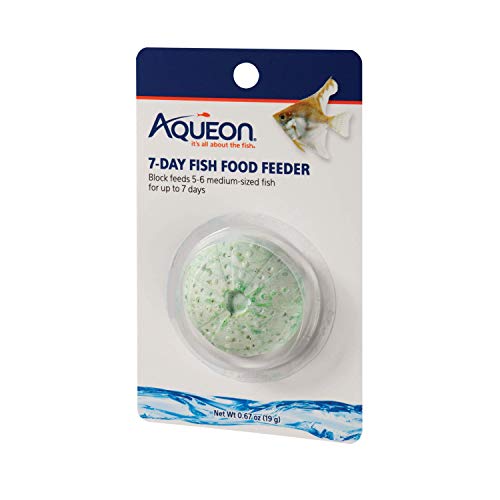
Aqueon’s 7 Day Vacation Feeder focuses on slow-release nutrition designed to be consumed gradually by tropical fish. The product emphasizes ingredients chosen to bring out natural colors and reduce waste by improving feed utilization. It’s designed for longer absence periods, helping maintain routine without daily adjustments. The emphasis is on a simple, reliable release mechanism that aligns with longer vacations or business trips.
FREESEA Automatic Fish Feeder
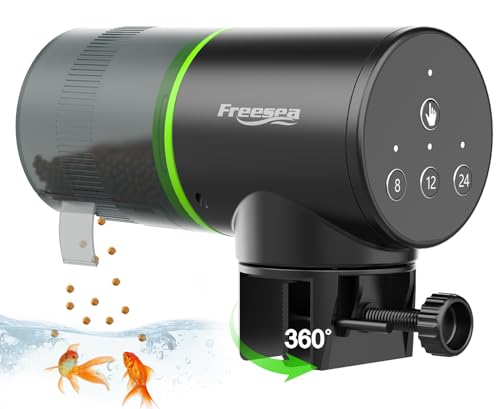
FREESEA combines manual and automatic modes with flexible scheduling options: 8h, 12h, and 24h feeding intervals, plus manual feed. It uses a 360° rotation to dispense food reliably at set times and features a moisture-proof design to keep different fish foods fresh, including flakes, granules, powders, and strips. This model is versatile for small tanks and can support casual vacation setups.
FISHNOSH Automatic Feeder (ML)

FISHNOSH’s ML model provides up to three daily feedings with a simple setup that aligns with a predictable schedule for small to large aquariums. The design emphasizes straightforward operation without a display screen, a feature that appeals to users seeking a low-maintenance device. The product highlights how easy refilling is while preserving a stable feeding routine for vacation coverage and everyday use.
Petbank Automatic Fish Feeder

Petbank’s feeder emphasizes moisture resistance with a fully sealed system. It features 16 separate grids, allowing up to 15 individual meals, and two installation methods: adjustable clamp base or suction cup. The design aims to prevent food moisture buildup and clogging, making it suitable for pellets, powders, and small strips. It’s not intended for shrimp or flakes, focusing on reliable, dry dispensing for a variety of foods.
Tetra Weekend And Vacation Feeder

Tetra’s weekend feeder relies on a slow-release gel block designed to nourish tropical fish for up to 14 days. The formula is engineered to resist quick dissolution, releasing food gradually as the fish nibble. It’s positioned as a straightforward option for extended trips, with a focus on safety and immune support through steady nutrition during absence.
Buying Guide
Key considerations help identify the best self feeder for your setup and ensure you get reliable performance over time.
- Tank compatibility: Check capacity and feed size to match your fish species and tank volume. Small bowls need compact units; larger setups benefit from higher capacity and multiple daily feedings.
- Feeding schedule flexibility: Look for devices that support multiple intervals (8h, 12h, 24h) and manual feeding to adapt to your routine and travel plans.
- Moisture resistance: Moisture-proof lids and sealed compartments reduce clumping and mold, preserving food freshness, especially for pellets and flakes.
- Ease of refilling: A design that allows refilling without removing the device helps maintain water quality and a stable feeding schedule.
- Power source and backup: Battery-powered units work during outages, while USB or wall power may require a backup plan for extended trips.
- Food compatibility: Ensure the feeder supports the type of food you use (flakes, pellets, powders, or strips) and note any exceptions (e.g., not for shrimp).
- Indication and maintenance: Visible “window” access, clear instructions, and easy cleaning reduce maintenance time and error.
- Cost of ownership: Consider replacement parts, batteries, and potential moisture-related issues when budgeting for long-term use.
- Brand and reviews: Choose established brands with positive feedback for reliability and after-sales support.
When selecting a self feeder, align features with your routine, aquarium size, and fish needs. A well-chosen device helps maintain consistent feeding schedules, reduces stress for you and your fish, and supports healthy water quality during vacations or busy periods.