Creating the perfect environment for live aquarium plants starts with choosing the right substrate. This substrate not only affects plant health but also the overall aquatic ecosystem. Below is a concise summary table of top aquarium substrates designed to support robust plant growth and provide stable water conditions for freshwater tanks.
| Product | Brand | Key Features |
|---|---|---|
| Fluval Plant and Shrimp Stratum | Fluval | Supports neutral to slightly acidic pH; enables beneficial nitrifying bacteria colonization; safe shelter for newborn shrimp |
| Aqueon Plant and Shrimp Aquarium Substrate | Aqueon | Promotes growth of a wide variety of plants; suitable for shrimp, snails, and tropical fish |
| Aqua Natural Galaxy Sand Bio-Substrate | Aqua Natural | Seeded with bio-active nitrifying bacteria for instant cycling; promotes balanced water chemistry |
| CaribSea Eco-Complete Planted Aquarium Substrate | Carib Sea | Nutrient-rich gravel; enhances root development; improves water stability and filtration |
| Aqua Natural Sugar White Sand | Aqua Natural | Triple washed and kiln dried; toxin-free natural sand; minimal disruption in tank |
Fluval Plant and Shrimp Stratum for Freshwater Tanks
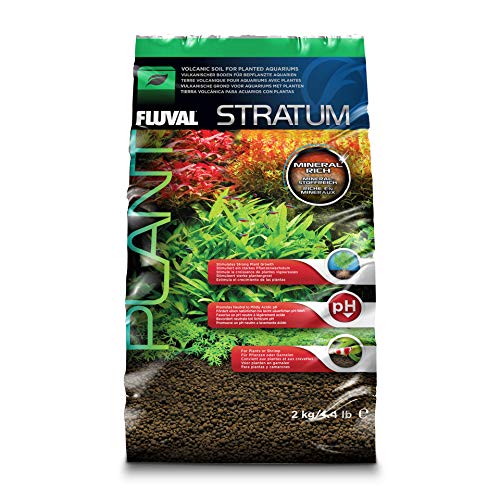
The Fluval Plant and Shrimp Stratum is engineered to maintain a neutral to slightly acidic pH, ideal for many aquatic plants and sensitive freshwater species like shrimp and tropical fish. Its porous composition fosters the rapid colonization of beneficial nitrifying bacteria, which help create a stable and healthy aquarium environment. This substrate also acts as a protective refuge for newborn shrimp, enhancing their survival rates by reducing predator threats until they mature.
Aqueon Plant and Shrimp Aquarium Substrate 5 Pounds
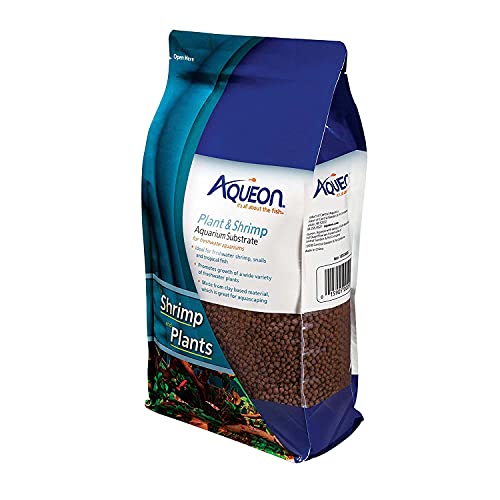
Aqueon’s substrate is a versatile medium suitable for supporting a wide variety of freshwater plants, along with shrimp, snails, and tropical fish. Provided in a convenient 5-pound bag, it encourages healthy root growth and overall plant development. Though simpler than nutrient-packed substrates, it serves well in setups where supplemental fertilization is used.
Aqua Natural Galaxy Sand Bio-Substrate with Bacteria

This substrate from Aqua Natural is distinctive because it is seeded with live bio-active nitrifying bacteria, enabling an instant aquarium cycling process. This accelerates the establishment of a balanced aquatic environment by reducing ammonia buildup. The sand composition provides a firm base for plant roots and supports biological filtration essential for healthy aquatic ecosystems.
CaribSea Eco-Complete Black Nutrient-Rich Substrate

CaribSea’s Eco-Complete substrate is a nutrient-rich gravel designed specifically for planted freshwater tanks. It contains minerals essential for plant nutrition, promoting vigorous root growth and enhancing overall plant vitality. Additionally, it contributes to water stability by supporting biological filtration and nitrate reduction, fostering a healthy environment for both flora and fauna.
Aqua Natural Sugar White Sand for Aquascaping

Aqua Natural’s sugar white sand is triple washed and kiln dried, making it one of the cleanest sands available for aquariums. It is 100% natural, toxin-free, and has a dense composition that prevents it from disturbing the water column. Its fine grain size is excellent for aquascaping and creating visually appealing planted tanks, though it does not provide nutrients to plants directly.
Buying Guide for Aquarium Plant Substrates
Choosing the best substrate for live aquatic plants requires careful consideration of several key factors to ensure optimal plant growth and overall tank health.
1. Nutrient Content
Substrates rich in nutrients like iron, potassium, and trace elements are essential for aquatic plants’ root development. Look for products labeled as nutrient-rich or those containing essential minerals to support robust growth without relying solely on liquid fertilizers.
2. Grain Size and Composition
The grain size affects root anchorage and water circulation within the substrate. Medium to fine grains generally provide good support but should not be so fine that they compact and reduce oxygen flow. Porous substrates also enable beneficial bacterial colonies, aiding in biological filtration.
3. pH and Water Chemistry Impact
Different substrates can alter the pH and hardness of aquarium water. It is important to choose a substrate that maintains stable pH values suitable for the target plant and fish species. Neutral to slightly acidic substrates are often preferred for planted tanks.
4. Biological Filtration and Cycling
Some substrates come pre-seeded with live bacteria that accelerate the nitrogen cycle, providing an established biological filtration system right from the start. This can reduce ammonia spikes and help maintain a healthy tank environment.
5. Compatibility with Tank Inhabitants
Consider the needs of shrimp, snails, or fish that share the tank. Substrates that offer shelter or are safe for sensitive species add value beyond plant support, improving overall biodiversity and balance.
6. Aesthetic and Aquascaping Needs
The color and texture of the substrate influence the visual appeal of the planted tank. From natural-looking black gravel to bright white sands, picking a substrate that complements your aquascape style can enhance the tank’s beauty.
With these considerations in mind, selecting the right substrate supports not only healthy plant growth but also fosters a thriving aquatic ecosystem for all inhabitants.