Best Sunflower Seeds for Birds: Attract a Wide Range of Backyard Visitors
Sunflower seeds are a staple for many backyard birds, offering high-fat, protein-packed nutrition that supports migration, breeding, and daily energy needs. This guide highlights top sunflower seed varieties and how they appeal to different species. From thin-shelled black oil seeds to hulled kernels like sunflower hearts, learn what to choose for your feathered visitors and how to store and blend feeds for best results.
Summary of Selected Products
| Product | Brand | Key Benefit | Size / Quantity |
|---|---|---|---|
| Wagner’s 52023 Black Oil Sunflower Seed Wild Bird Food | Wagner’s | Widest attractant; thin shells suit small beaks | 5-Pound Bag |
| Kaytee Striped Sunflower | Central Garden & Pet | High-energy oil content; appeals to larger birds | 5-Pound |
| Armstrong Wild Bird Food Black Oil Sunflower Bird Seed | Armstrong Bird Food | 100% genuine black oil; long-lasting energy | 35.3 Pounds |
| Audubon Park Sunflower Hearts | Audubon Park | Shells removed; mess-minimizing kernels | 15-Lb Bag |
| Bangerz Sunz Black Oil Sunflower Seeds for Birds | Bangerz Sunz | 100% black oil seeds; high energy | 35.3 Pounds |
Wagner’s 52023 Black Oil Sunflower Seed Wild Bird Food

Wagner’s 52023 Black Oil Sunflower Seeds are widely used to attract a broad variety of backyard birds. The seed’s thin shell makes it easy for small-billed species to access the nutty, high-energy content. This mix emphasizes energy and palatability, making it a reliable all-season option for feeders in different climates. Ideal for households that want a simple, effective seed with broad appeal.
Kaytee Striped Sunflower
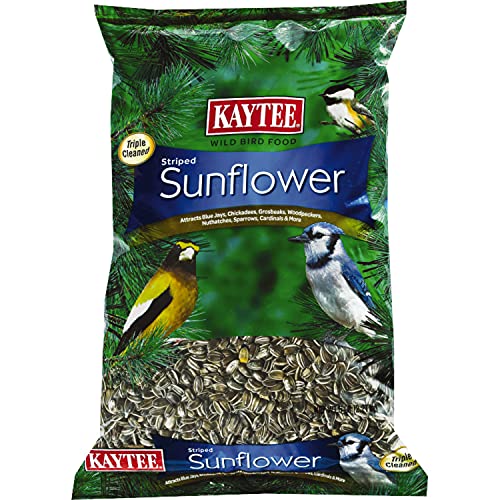
Kaytee Striped Sunflower delivers the high oil content birds crave while providing a cleaner feeding experience thanks to thorough cleaning. The larger, striped seeds appeal to bigger species such as blue jays, woodpeckers, grosbeaks, and cardinals. This option tends to produce less waste per feeding and offers a premium seed texture with strong appeal to many backyard birds.
Armstrong Wild Bird Food Black Oil Sunflower

This 35.3-pound bag is designed for bulk purchasing and long storage while preserving seed quality. Armstrong uses 100% genuine black oil sunflower seeds, known for their high fat and protein content. The seeds’ thin shells are easier for many bird species to crack, delivering a dependable energy source for outdoor feeders across seasons.
Audubon Park Sunflower Hearts

Audubon Park Sunflower Hearts are 100% sunflower kernels with shells removed, reducing backyard mess and offering a clean feeding experience. The higher healthy fat content makes it appealing to a wide range of songbirds, including finches, nuthatches, sparrows, juncos, and chickadees. This form factor is especially convenient for tight feeder spaces and pollinator-friendly setups.
Bangerz Sunz Black Oil Sunflower Seeds

Bangerz Sunz offers a 35.3-pound bag of 100% pure black oil sunflower seeds designed for year-round feeding. The seeds are high in energy and fats, which helps birds maintain energy during migration and winter. The easy-to-digest shells support a broad range of species, making this a versatile choice for mixed bird populations at outdoor feeders.
Buying Guide: How to Choose and Use Sunflower Seeds for Birds
Choosing the right sunflower seeds depends on your local bird species, feeder type, and maintenance preferences. Consider the following:
- Seed type: Black oil sunflower seeds offer high fat and thin shells, appealing to most species. Striped sunflower seeds tend to attract larger birds but leave more residue due to thicker shells.
- Shells and mess: If you value a cleaner yard, opt for shelled products like sunflower hearts or seeds that minimize shell waste. For larger backyards, whole seeds can still perform well with proper cleaning up.
- Nutrition: High-fat, high-protein seeds provide sustained energy essential for winter and migration. Balance with other seeds or suet for variety if needed.
- Storage and freshness: Store in a cool, dry place. Large bulk bags save money but require proper sealing to prevent rancidity and pest infiltration.
- Bird species: Cardinals, blue jays, chickadees, finches, nuthatches, and woodpeckers are common beneficiaries of sunflower seed feeds, but preferences vary by region.
- Feeder compatibility: Use appropriate feeders—caged or tray feeders for easy access, and avoid mixes with strong fillers or high waste in small spaces.
- Hygiene: Regularly clean feeders to prevent mold and disease. Refresh seed levels to avoid moisture buildup and spoilage.
Additional Considerations
When combining seed types, aim for a mix that supports a year-round presence of different species. Observe local birds and adjust offerings to encourage diversity while minimizing waste. If you face consistent seed loss to weather or non-target animals, consider weatherproof feeders and elevated placements. For households with space constraints, prioritize smaller, clean-feeding options like sunflower hearts or shell-free mixes to reduce cleanup while maintaining nutrition.