Best Vacation Feeders for Betta Fish: Top Auto-Feeders for Peace of Mind
Planning a trip but worried about your betta’s meals? Vacation feeders offer a hands-off way to nourish your fish while you’re away. This guide compares reliable betta-focused options, highlighting how each feeder releases food, fits different tank sizes, and helps maintain water quality. Whether you’re traveling for a weekend or a week, these devices provide consistent feeding without overfeeding or waste buildup.
Summary of selected products:
| Product | Brand | Feeding Window | Notes |
|---|---|---|---|
| Zoo Med Betta Banquet Blocks (6 Card Set of 2) | Zoo Med | 2 blocks release nutrients over time | |
| Penn Plax Pro Balance 7-Day Betta Blocks | Penn-Plax | 7 days per block | |
| Tetra Weekend & Vacation Feeder Gel Block | Tetra | Up to 14 days | Slow-release gel; won’t dissolve spontaneously |
| Aqueon 7 Day Vacation Feeder | Aqueon | 7 days | Nutritious ingredients; designed for color and waste control |
| Petbank Automatic Fish Feeder | Petbank | Multiple meals; adjustable | Moisture-proof; USB rechargeable; flexible installation |
Zoo Med Betta Banquet Blocks 6 Card (Set Of 2)

Zoo Med Betta Banquet Blocks come in a 2-pack, with each block designed to slowly dissolve to release micro betta pellets over time. The formula combines krill, squid, shrimp, and fish meal plus vitamins and minerals to support a balanced betta diet while you’re away. These blocks are compact and suited for small to mid-sized aquariums, delivering predictable nutrition without frequent refills.
Penn Plax Pro Balance 7-Day Betta Blocks

Penn Plax Pro Balance Betta Blocks provide seven days of feeding per block, with a compact size that fits smaller betta tanks. The packaging emphasizes balance, releasing nutrients gradually to help maintain energy and color while reducing the risk of overfeeding. A straightforward option for travel weeks or work trips where you want steady nourishment with minimal maintenance.
Tetra Weekend and Vacation Feeder

The Tetra Weekend and Vacation Feeder uses a slow-release gel block designed to nourish tropical fish for up to 14 days. The gel is engineered to release food only when the fish nibble, helping keep water quality stable. The product emphasizes nourishing ingredients that support immunity and long-term health, making it a practical choice for longer trips when color and vitality are priorities.
Aqueon 7 Day Vacation Feeder
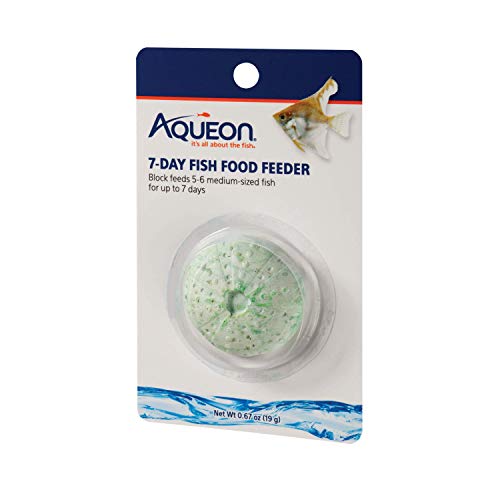
Aqueon’s 7 Day Vacation Feeder provides nutritious ingredients designed to attract bettas and enhance color. The formulation aims to maximize utilization while minimizing waste, helping to maintain water clarity while you’re away. The product emphasizes fish health and appearance, making it a trusted option for longer absences and consistent feeding routines.
Petbank Automatic Feeders For Aquarium

Petbank’s automatic feeder offers multiple meals per day with a moisture-resistant design and an LCD timer. The device supports 16 grids for storing different foods, allowing up to 15 individual meals. It supports various food types, including pellets and powders, and offers two installation methods—clamp base or suction cup—making it versatile for different tank setups. The sealed design helps prevent moisture and clogging, a common concern with home automation feeders.
Buying Guide
- Feeding duration and reliability: Choose feeders that cover at least 3–14 days if you travel longer than a weekend. Look for slow-release formats that release food gradually and predictably.
- Tank compatibility: Check the product size and recommended tank capacity. Bettas often do well in 5–10 gallon tanks; for larger systems, ensure the feeder disperses enough food to meet your betta’s needs without overfeeding.
- Food type compatibility: Some feeders are designed for pellets, others for gel blocks or freeze-dried foods. If you rotate meals, ensure the device can handle your preferred food form.
- Moisture protection: Moisture-resistant designs prevent clogging and mold. This is especially important in devices with multiple compartments or gel-based food.
- Installation and maintenance: Consider whether you prefer a clamp-on, suction cup, or top-cover mounted unit. Check if batteries or USB charging are needed and whether the device is easy to clean.
- Water quality considerations: Opt for feeders that minimize excess food to reduce waste. If possible, pick options designed to release food only when the fish consumes, limiting sediment and ammonia spikes.
- Power and redundancy: For remote trips, a backup plan (manual feeding or a spare unit) helps prevent missed feedings during device downtime or power issues.
- Price and accessibility: Compare per-day feeding costs and consumables. Simple, reliable models are often the most cost-effective for regular travel.
- Species-specific needs: While bettas are resilient, they benefit from balanced nutrition and regular monitoring. Choose feeders with nutritionally complete options appropriate for bettas or tropical fish.