Best Wireless Dog Collars for Boundaries: GPS and Boundary System Comparisons
Yes, wireless dog collars that create boundary zones without buried wire are a practical solution for many owners. This guide highlights top options, including GPS-based systems and traditional wireless fences, to help you pick the right collar for your lawn, yard, or outdoor space. The selections below are best for families seeking easy setup, flexible boundary shapes, or GPS accuracy for large properties. The table below summarizes key picks to consider at a glance.
| Product | Best For | Boundary Type | Approximate Range |
|---|---|---|---|
| DJNFGQ GPS Wireless Dog Fence System | Owners wanting GPS accuracy and flexible shapes | GPS | Adjustable |
| PetSafe Guardian GPS Dog Fence | Large yards with no subscription needs | GPS | Large yards |
| PetSafe Original Wireless Electric Fence | Travel-friendly, quick setup | Wireless | Up to 1/2 acre |
| LINCAE GPS Wireless Dog Fence | Precision, faster signal, broader coverage | GPS | 25–999 yards |
| PetSafe Stay & Play Wireless Receiver Collar | Budget-friendly, flexible use | Wireless | Varies by transmitter |
DJNFGQ GPS Wireless Dog Fence System

Best for owners who want GPS-based boundary control with flexible, invisible fencing. The system uses GPS satellite signals to set and adjust boundaries without burying wire, offering accurate containment for yards, parks, or farms. It includes two modes: circular and free-form fencing, ideal for irregular property shapes. The collar is rechargeable and IPX7 waterproof, suitable for daily outdoor use. This option is well-suited for families with medium to large dogs that require precise boundary management and easy boundary edits.
Who it’s best for: households seeking a highly adaptable GPS fence with easy boundary modification and robust waterproofing. Why chosen: it provides precise location-based containment and does not require physical installation—great for renters or temporary setups. Caution: setup relies on satellite signals, which may vary indoors or in areas with weak GPS reception.
PetSafe Guardian GPS Dog Fence

Best for large properties where a traditional boundary is impractical. This GPS fence aims to blend real-time motion detection and AI for advanced containment without ongoing subscription fees. The redesigned collar emphasizes comfort with extended battery life, allowing multiple days between charges depending on use. Use this option if you want a portable, subscription-free GPS solution that scales to bigger yards.
Who it’s best for: owners with 3/4 acre spaces or larger who want a no-subscription GPS option. Why chosen: no recurring fees and a modern collar design. Caution: Guardian GPS systems can require more initial setup time to optimize AI and boundary accuracy compared to simple circular fences.
PetSafe Original Wireless Electric Fence

Best for travelers or homes needing a quick, portable setup. This system offers circular boundary coverage up to roughly 1/2 acre and can be expanded with an additional transmitter. It is straightforward to install, requiring no digging or wiring. The collar supports tone and static correction to gently guide pets back inside the play area and is compatible with PetSafe Wireless Fence transmitters.
Who it’s best for: pet owners wanting a simple, portable solution for small to medium yards. Why chosen: reliable circular boundary with easy setup. Caution: not ideal for irregularly shaped lots or very large properties without multiple transmitters.
PetSafe Stay & Play Wireless Receiver Collar
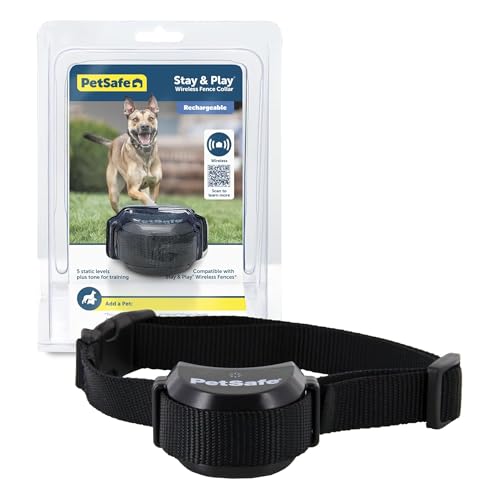
Best for households seeking a compact, rechargeable collar compatible with all PetSafe wireless fences. It features 5 levels of static correction plus a tone-only mode for training and a long-lasting battery, reducing frequent charging. The waterproof design supports outdoor use in varying weather. This option is ideal for families already invested in PetSafe wireless fencing ecosystems.
Who it’s best for: PetSafe users wanting a rugged, rechargeable collar with adjustable corrections. Why chosen: strong battery life and compatibility with existing PetSafe transmitters. Caution: only compatible with PetSafe Wireless Fence transmitters; incompatible with In-Ground or remote trainer systems.
LINCAE GPS Wireless Dog Fence
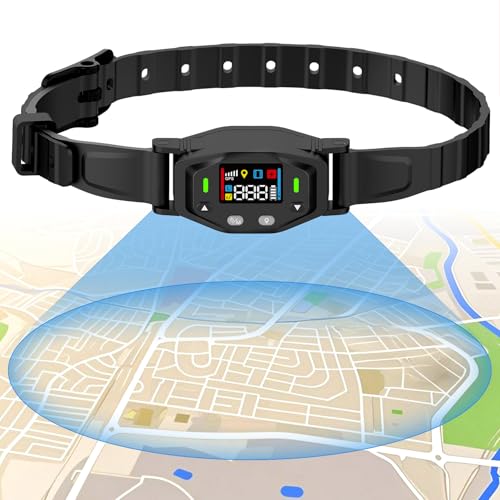
Best for users who want ultra-precise GPS positioning with extensive range. This system uses a US AI positioning algorithm and a Swiss GPS chipset to deliver faster signal response and higher accuracy. It supports a large containment radius (25 to 999 yards) and offers a humane correction system—beep, vibration, or static correction—when boundaries are approached. No base station or remote is required for setup.
Who it’s best for: properties ranging from backyards to open land where precise GPS containment matters. Why chosen: high accuracy and large coverage, suitable for remote areas. Caution: the price and complexity may be higher than basic wireless options for some users.
PetSafe Ultralight Wireless Fence Receiver Collar

Best for smaller dogs or owners seeking a light, portable receiver. This collar is designed to be comfortable yet effective with tone and static correction. The Ultralight model is travel-friendly and suitable for use with PetSafe wireless fences. It offers basic functionality in a compact collar suitable for younger or smaller dogs.
Who it’s best for: owners with small to medium dogs who want a slim, lightweight receiver. Why chosen: portability and convenience. Caution: may have limited range or handling for very large dogs compared to heavier-duty models.
Buying Guide: Key Factors for Wireless Dog Boundary Collars
- Boundary technology: GPS-based systems offer flexible, customizable boundaries and good accuracy on large outdoor spaces; wireless (non-GPS) fences are typically easier to set up and work well for compact yards.
- Property size and layout: choose GPS if you have an irregularly shaped yard or multiple zones; opt for circular wireless systems for simpler, smaller properties.
- Collar comfort and weight: consider your dog’s size and tolerance for wearing a collar; lightweight designs are better for small breeds.
- Battery life and charging: longer battery life reduces charging frequency; check whether the collar charges quickly and whether it has low-battery alerts.
- Water resistance: IPX rating matters for dogs that spend time outdoors in rain or near water; ensure collar and receiver are adequately protected.
- Subscriptions and fees: some GPS fences have ongoing fees for premium features; others declare no subscription but verify what is included.
- Compatibility: verify which transmitters or fences work with the collar model you choose to avoid compatibility issues.
- Security and safety features: look for progressive correction, boundary alarms, and humane limits to prevent overstimulation.
Practical Comparison Snapshot
- GPS systems: higher boundary flexibility, better for large or irregular spaces; require clear satellite reception.
- Wireless fences: quick setup, typically better for smaller yards; lower ongoing complexity but may need multiple transmitters for larger areas.
- Battery life: important for daily use; longer life reduces maintenance time.
- Waterproofing: essential for outdoor use; ensure IPX7 or similar protection for collars and receivers.
Frequently Asked Questions
- What is the main difference between GPS and traditional wireless fences?
– GPS fences use satellite data to define boundaries and can cover larger or irregular spaces, while traditional wireless fences rely on radio signals from a base unit and are often easier to set up for smaller yards. - Do GPS dog fences require a subscription?
– Some models offer no subscription, while others provide optional services or features on a paid plan. Check each product’s details. - Can a single collar be used with different fence systems?
– Compatibility depends on the transmitter and collar design. Most collars are designed for specific fence ecosystems and may not work with all brands. - How long should a dog’s collar battery last?
– Battery life varies by model and usage; many collars last from days to weeks between charges, with some GPS collars offering multi-day life. - Is a wireless fence safe for very large or very active dogs?
– Look for models with adjustable correction levels, reliable range, and a humane training approach to accommodate various temperaments and activity levels. - What should I consider before buying a wireless dog fence?
– Consider property size, shape, climate, dog size, battery life, durability, and whether you prefer GPS precision or straightforward setup.